
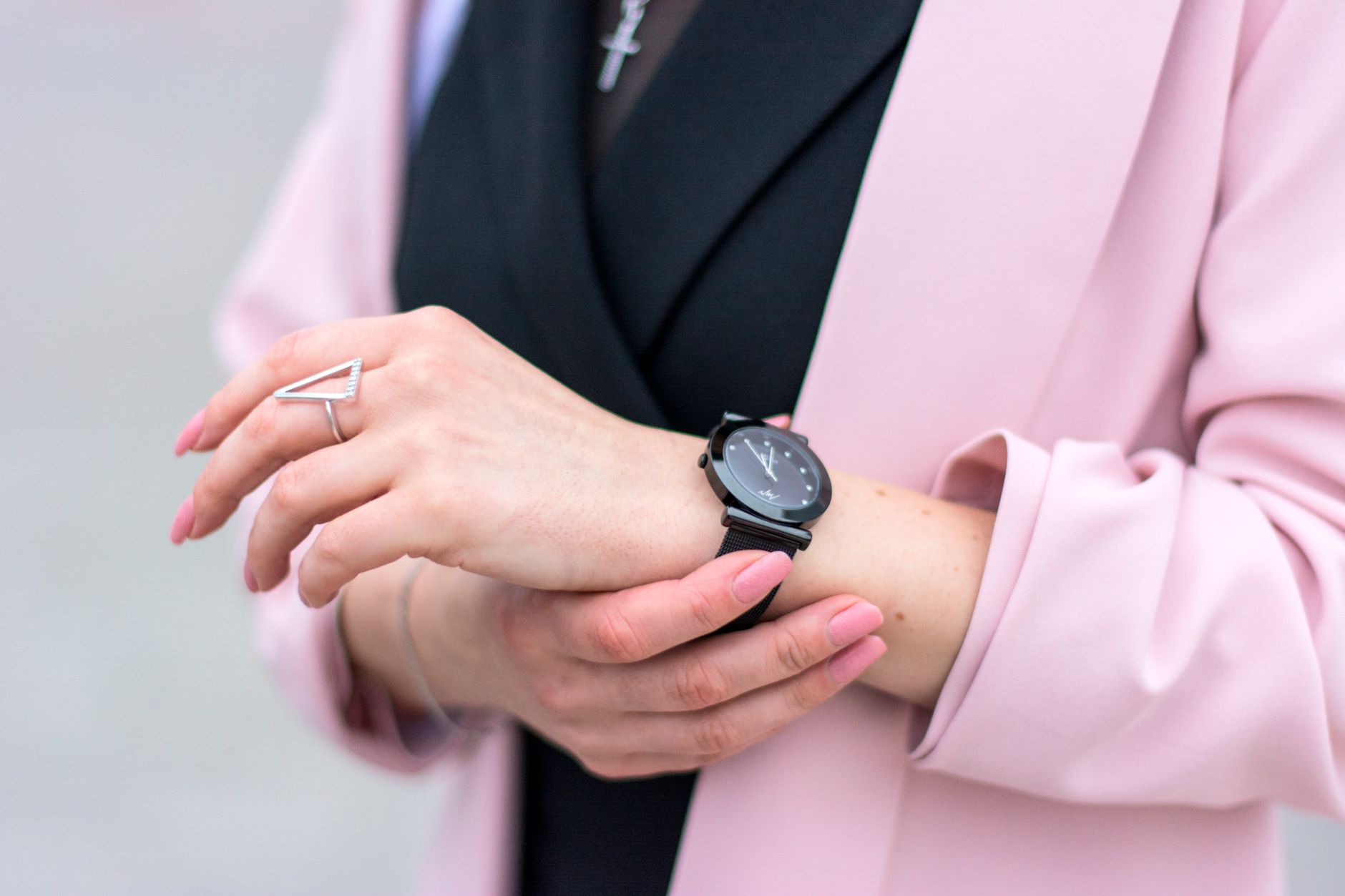
Watches are no longer just practical timepieces; they have become essential style accessories that can elevate any outfit. However, there’s a frequently asked question among watch enthusiasts and newcomers alike: What wrist does a watch go on? While personal preference plays a significant role in this decision, several factors—from functionality to fashion—can help guide your choice.
This extensive guide will explore the nuances of wearing a watch on either wrist, including style tips, the importance of fit, and guidelines for proper care. Whether you favor a classic leather strap or a modern smartwatch, understanding how to wear your watch can enhance not just your outfit but your personal style as well.
What Wrist Does a Watch Go On?
The traditional answer is that most people wear their watches on their non-dominant wrist. For example, right-handed individuals typically wear watches on their left wrist, and left-handed individuals may choose their right wrist. This convention allows for easier access and minimizes the risk of damage while engaging in activities.
However, fashion is about expression, and wearing a watch on the dominant wrist can add uniqueness to your style. Ultimately, it’s about what feels comfortable and looks good to you.
Why Do People Wear Watches on the Non-Dominant Wrist?
Wearing a watch on the non-dominant wrist is largely based on practicality. Here are some compelling reasons:
- Accessibility: Depending on your daily activities, wearing a watch on the non-dominant wrist can make it easier to check the time without disrupting your tasks.
- Protection: This placement can shield your watch from scrapes and scratches that may occur during everyday movements.
- Comfort: Some people find it more comfortable to wear their watch away from their dominant hand, which may be engaged in tasks more often.
Styles of Watches and How They Affect Wrist Placement
The style of your watch can also influence which wrist may be more suitable for wearing it. Let’s explore various styles and their potential fits.
Classic Watches
Classic analog watches often feature leather or metal bands and a traditional round dial. These watches are versatile and can be worn for both formal and casual occasions. They typically look best on the non-dominant wrist, showcasing elegance while remaining functional.
Smartwatches
Smartwatches are more flexible in terms of wrist placement. They often come with adjustable bands designed for comfort, which means they can easily be worn on either wrist. Depending on your personal style, you may choose to wear them on your dominant wrist for easier access to features and notifications.
Sport Watches
Sport watches are generally bulkier and equipped with features designed for active wearers. Wearing these on your dominant wrist allows for a more natural fit during physical activities but consider comfort and the size of the watch when making your decision.
Dress Watches
Dress watches prioritize elegance and simplicity, often featuring thinner profiles. These watches typically pair well with formal attire and look best on the non-dominant wrist, allowing them to become a refined accessory rather than a distraction.
Choosing the Right Fit for Your Watch
Regardless of the wrist you choose to wear your watch on, fit is paramount. A properly fitted watch not only looks better but also enhances comfort during wear.
Determining the Right Size
Here are some tips for selecting an appropriately sized watch:
- Case Diameter: For men, a watch case diameter of 38mm to 46mm is typical. Women usually lean towards 26mm to 36mm, though larger sizes are trending. Choose a size proportional to your wrist for a balanced look.
- Watch Thickness: Bulkier watches tend to work well with larger wrists. Thinner watches offer a sleek silhouette and are often more appropriate for formal occasions.
Wrist Measurement Techniques
To find the right fit, measure your wrist circumference:
- Use a flexible measuring tape or a piece of string to wrap around your wrist where you would typically wear a watch.
- Mark the point where the tape or string meets, then measure the length against a ruler.
- Add 0.5 to 1 inch to ensure comfort and ease when wearing the watch.
Adjusting the Band
Don’t forget to adjust the band for the best fit. If your watch has a leather or metal strap, you can often add or remove links or holes to help tailor it to your wrist size. A snug but comfortable fit is ideal, ensuring the watch sits flat against your wrist rather than sliding around.
Color Coordination and Style Considerations
Your choice of wrist placement can also be influenced by color coordination and overall style. Here’s how to ensure your watch enhances your outfits:
Matching Metals and Colors
When selecting a watch, consider the colors of your wardrobe. Here are some tips:
- Metal Wallets: If you regularly wear gold jewelry, a gold or gold-tone watch will complement your accessories. The same goes for silver and stainless steel options.
- Strap Materials: Leather bands can blend with most outfits and styles. For a sporty look, a rubber or silicone strap might be more appropriate.
Seasonal Choices
Your watch choice can also reflect seasonal shades. For example:
- In spring and summer, you might opt for lighter colors and materials like fabric or pastel leathers.
- In fall and winter, richer colors and heavier materials, such as leather or metals, become appropriate.
Occasion-Specific Watch Styles
Causal Wear
When dressing for casual activities, a sporty or stylish smartwatch will suit most outfits well. Pair it with jeans and a t-shirt to maintain an effortless look.
Workwear
In a professional setting, opt for classic or dress watches. A sleek metal or minimalistic leather band complements tailored suits and professional wear.
Formal Events
During formal occasions, a refined dress watch is your best option. Look for watches with understated dials and luxurious materials to pair with cocktail dresses or tailored suits.
Caring for Your Watch
General Cleaning
Regularly clean your watch to remove dirt and grime, especially if you wear it daily.
- For metal bands, use a soft cloth to wipe down the surface gently.
- For leather straps, use a damp cloth and avoid soaking them, then allow them to air dry.
Water Resistance
If your watch is water-resistant, be sure to check the specifications. Even if it is rated for swimming or diving, regularly inspect the gaskets and seals for wear to prevent water damage.
Battery Care
For battery-powered watches, monitor battery life and replace them promptly to prevent leakage. If you own a mechanical watch, regular servicing may be needed to keep it running smoothly.
Common Styling Challenges and Solutions
While wearing a watch is straightforward, styling it can present some challenges. Here’s how to overcome some common concerns:
Layering with Other Accessories
When wearing multiple accessories, balance is key. Avoid overloading your wrists with too many bracelets while wearing a watch.
- Consider wearing a watch on one wrist and a few simple bangles or cuffs on the other.
- Mix materials intelligently; pair a metal watch with leather or fabric bracelets for contrast.
Wearing Over Long Sleeves
If you want to wear your watch over a long-sleeved shirt or a sweater:
- Choose a watch with a longer band or consider wearing it atop your sleeve for a contemporary look.
- Ensure the watch is not too bulky to maintain a streamlined silhouette.
Embracing Gender-Inclusive Style
Wearing a watch transcends gender. Both men and women can explore various styles, materials, and placements without constraints. Don’t limit yourself to conventions—mix and match elements traditionally associated with one gender.
Conclusion and Next Steps
For more styling tips, check out guides on watch placements and wrist commitments. Explore your style while staying time-savvy!