
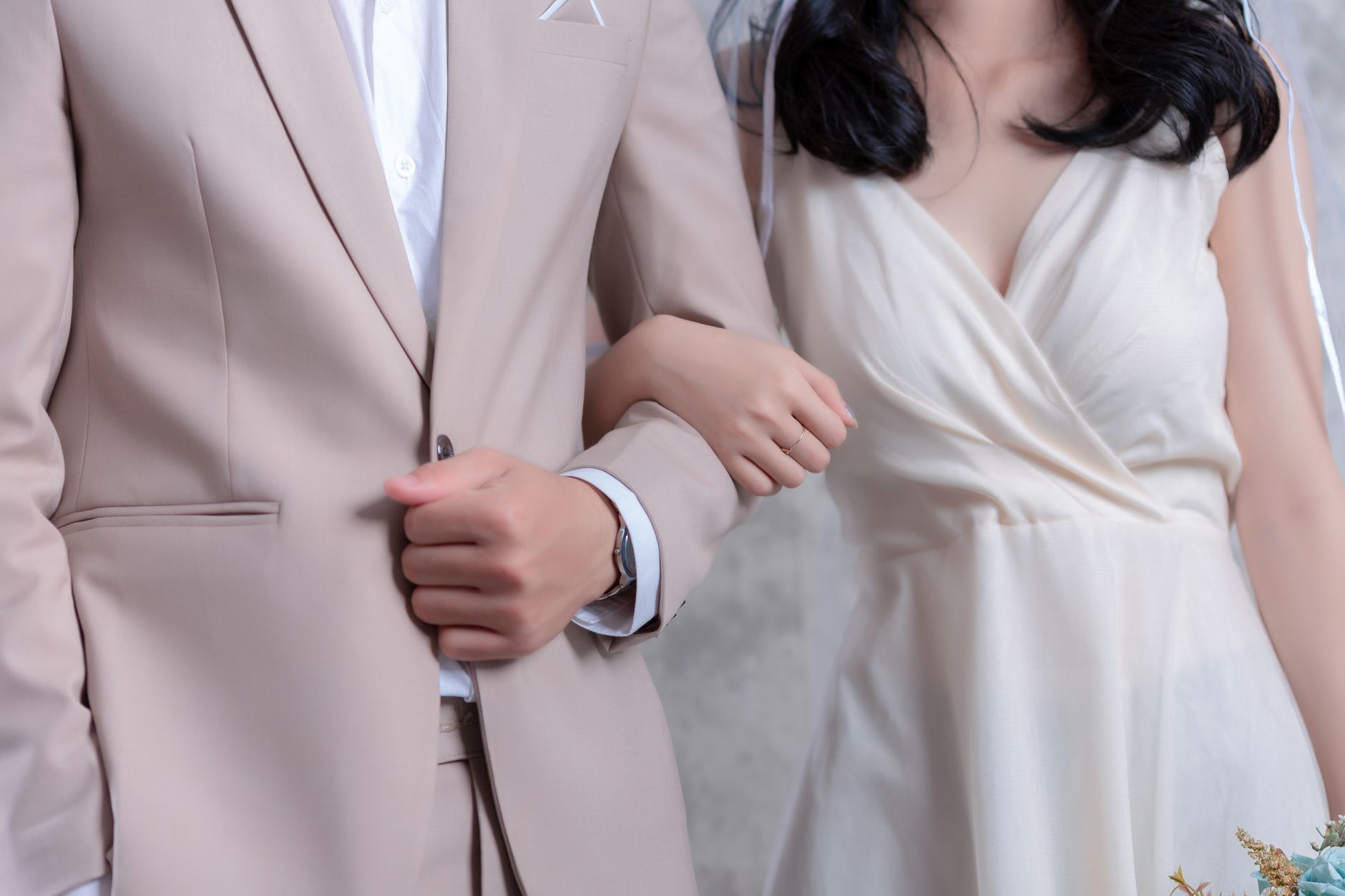
Weddings are joyous occasions filled with love, celebration, and a unique atmosphere that calls for carefully selected attire. While it’s easy to focus on what to wear, understanding what not to wear is equally vital. Choosing the wrong outfit can distract from the festivities and may even convey disrespect to the couple or guests.
This guide will explore common missteps in wedding attire, helping you navigate the delicate balance of style and etiquette. Consider this a checklist for what to avoid, ensuring you feel confident and appropriately dressed for the occasion.
What Not to Wear to a Wedding?
To ensure you make a good impression at a wedding, steer clear of anything that is overly casual, provocative, or inappropriate for the setting. Here’s a breakdown of key items and styles to avoid at weddings to maintain decorum while still feeling stylish.
Overly Casual Attire
Although some weddings may embrace a relaxed atmosphere, it’s essential to avoid looking underdressed. Items that fall into this category include:
- T-shirts: Unless explicitly stated, avoid graphic or plain T-shirts. They may work well in casual settings but risk coming off as disrespectful to the occasion.
- Shorts: Even in warm weather, shorts are generally not appropriate wedding attire unless stated as part of a beach or outdoor casual wedding. Opt for lightweight trousers instead.
- Denim: Jeans, especially distressed or torn ones, are too casual for most weddings. Instead, opt for chinos or tailored trousers.
Inappropriate Footwear
Your choice of shoes plays a critical role in your overall outfit. Here’s what to avoid:
- Flip-flops: They are too casual for almost all wedding settings. Look for smart sandals or dressier options instead.
- Sneakers: Save athletic shoes for informal gatherings. Choose smarter alternatives, such as loafers or dress shoes.
- Excessively High Heels: While heels can elevate your outfit, sky-high stilettos may leave you uncomfortable throughout the day. Opt for a moderate height that you can walk comfortably in.
Too Much Skin
While showing some skin can be stylish, it’s essential not to overdo it. Here are clothing choices to be cautious of:
- Low-Cut Tops: Deep V-necks or exposed midriffs can come off as overly provocative. Aim for styles that balance elegance with comfort.
- Short Skirts or Dresses: Excessively short hemlines may draw attention for the wrong reasons. As a general guideline, consider knee-length or longer as appropriate for most weddings.
- Cut-Outs: While in vogue, strategically placed cut-outs can sometimes feel more suitable for a nightclub than a wedding setting. Consider opting for solid pieces instead.
Color and Prints Pitfalls
The color palette is crucial in wedding attire, especially concerning how you harmonize with the wedding theme. Here’s what to avoid:
- White: This color is traditionally reserved for the bride. Avoid wearing white or any off-white tones, as this could be considered disrespectful.
- Black: While it used to be taboo, it is increasingly accepted for formal weddings. However, in more casual settings, it might give off an inappropriate vibe. Use your discretion based on the couple’s stated dress code.
- Bold or Distracting Prints: Avoid overly loud patterns that steal the spotlight. Subtle prints are usually a safer bet.
Inappropriate Statements or Graphics
Your outfit should never distract from the reason everyone is gathered. Therefore, avoid:
- Graphic Tees: These can convey a casual tone and may detract from the celebratory atmosphere.
- Offensive Graphics: Ensure your attire doesn’t feature any statement that could be seen as offensive or inappropriate.
- Provocative Language: Anything that could be seen as flirtatious or suggestive doesn’t belong at a wedding.
Bad Fit and Silhouette Choices
Wearing clothing that fits poorly can affect your comfort level significantly. Here’s what to avoid:
- Overly Tight Clothing: Clothes should fit but not constrict. Avoid overly tight dresses or tops that may make you uncomfortable.
- Baggy Garments: While oversized styles can be trendy, excessively baggy clothing may appear unkempt. Instead, aim for a balanced fit.
- Unflattering Cuts: Certain silhouettes may not flatter every body type. Focus on styles that enhance your figure while remaining comfortable.
Seasonal Considerations
What you wear also must factor in seasonal conditions and the type of wedding setting. Consider the following:
- Summer Weddings: Avoid heavy fabrics like velvet. Opt for lightweight materials like cotton or linen.
- Winter Weddings: While it’s fine to wear heavier fabrics, do not go overboard with layers that feel cumbersome.
- Outdoor Weddings: Consider terrain when choosing your footwear. High heels may not be suitable for grass or unpaved paths.
Cultural and Venue Sensitivity
Always consider the couple’s chosen venue and cultural backgrounds, which may require you to adapt your outfit accordingly:
- Religious Ceremonies: Make sure you dress modestly to conform to specific guidelines outlined by the religious nature of the wedding.
- Beach Weddings: These can be casual but avoid items commonly associated with beachwear like swimsuits unless it’s explicitly labelled a beach wedding.
- Formal Venues: Tailored wear is necessary. A suit or formal dress is generally expected at venues like hotels or ballrooms.
Accessories and Layering Mistakes
Accessories can enhance an outfit, but they can also lead to fashion faux pas. Here’s what to avoid:
- Over-Accessorizing: Avoid wearing multiple statement pieces that compete for attention. Daring yet minimal accessories often work best.
- Wrong Bag Choice: Oversized totes may feel too casual. Instead, consider a clutch or smaller crossbody that ties with your outfit.
- Heavy Layering: While stylish layers can add depth, heavy or bulky layers can detract from your outfit’s elegance.
Conclusion
Choosing what to wear to a wedding is key to showing respect for the couple and enjoying the celebration. Avoiding overly casual clothing, inappropriate statements, and diligent attention to fit and season can greatly enhance your outfit choice. Remember to consider venue specifics, the couple’s style, and cultural appropriateness when selecting your attire.
Next time you prepare for a wedding, make a thoughtful checklist of these items to avoid. Doing so will ensure you are dressed respectfully while still expressing your unique style.
For additional guidance, consider exploring related outfit ideas and styling tips, such as how to complement your wedding attire with appropriate accessories or what to wear over a dress to a wedding for different weather conditions. You can find those resources at what to wear over a dress to a wedding and what not to wear to a funeral.