
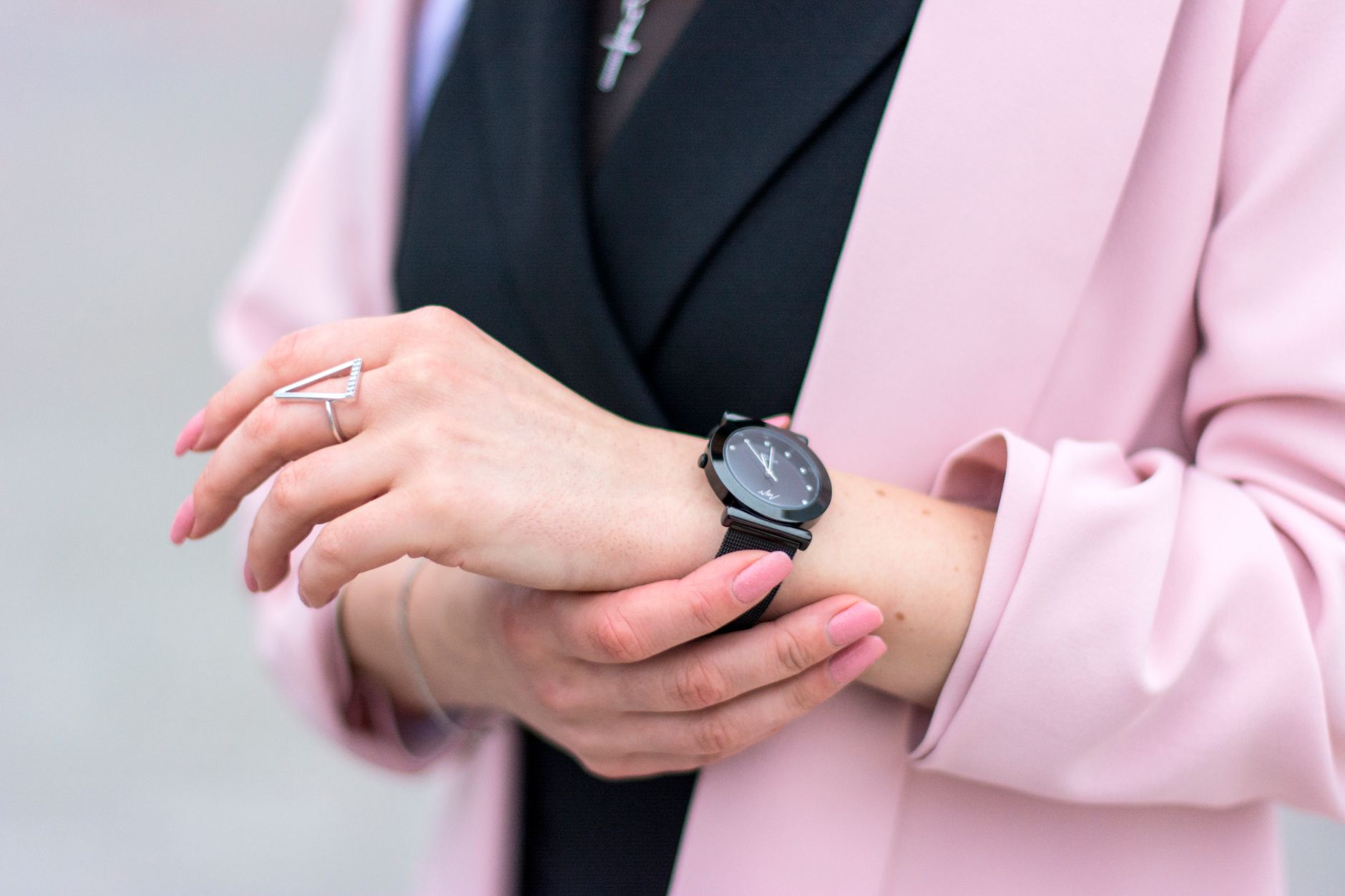
Choosing the right hand for wearing a watch is often considered a matter of personal style, practicality, and comfort. While traditionalists may lean towards the left wrist, the choice can vastly differ based on individual preferences and lifestyle. This guide aims to demystify the question of what hand a watch goes on, while also exploring styles, fit, and care tips to make the most out of your timepiece.
Wearing a watch can also signify your personal style, ranging from sporty to elegant. Carving out a distinct look involves considering your wardrobe, layering options, and even the occasion. Let’s dive into how the choice of wrist not only showcases your watch but blends it seamlessly into your overall outfit.
What Hand Does a Watch Go On?
The general convention is to wear a watch on your non-dominant wrist to maintain comfort and practicality. For a right-handed person, this is typically the left wrist, and vice versa for left-handed individuals. However, fashion doesn’t have strict rules, so feel free to wear your watch on either wrist based on your personal preference.
Ultimately, it’s about comfort and accessibility. If having the watch on your dominant hand feels more convenient for you—whether for checking the time frequently or adjusting the watch—then go ahead and embrace that choice. Your watch should enhance your look, not hinder your daily activities.
The Influence of Style on Watch Placement
When choosing which wrist to wear your watch on, consider the various styles of watches available. Here are some styles and what they convey:
- Classic Dress Watches: These usually complement formal attire and are best suited for the left wrist, especially if you’re right-handed. Opting for a minimalist design makes it less obtrusive during business meetings.
- Sports Watches: Designed for active lifestyles, sports watches are often larger and more robust. They are typically best worn on the dominant wrist for ease during activities.
- Smart Watches: With functionalities beyond timekeeping, smartwatches can be worn on either wrist, depending on how you interact with them. Consider the interface you use most often.
- Fashion Watches: These can be worn on either wrist, depending on your style statement. Choose larger, bolder pieces for a statement look, which might skew more to the dominant wrist.
Considerations for Fit
Fit is crucial when it comes to wearing a watch comfortably. A watch that is too tight can restrict blood flow, while one that is too loose may slide around. Here are some tips to find the right fit:
- Watch Size: Make sure the case size fits well on your wrist. Larger faces suit chunkier wrists, while smaller cases often harmonize better with slimmer wrists.
- Strap Length: A proper strap should allow for slight movement without feeling constricting. Adjust the band to sit comfortably just above the wrist bone.
- Watch Weight: Heavy watches may feel uncomfortable over time. Ensure your watch is light enough to wear for extended periods without strain.
Color Coordination and Style Integration
Every accessory plays a role in your overall outfit. Here’s how to integrate your watch into your wardrobe seamlessly:
Color Matching
- Metallic Tones: Gold watches pair well with warm tones, while silver suits cooler palettes. Thoughtful coordination ensures that your watch enhances, rather than clashes with, your outfit.
- Strap Materials: Leather straps give a more sophisticated edge, while silicone or fabric straps can add a sporty vibe. Choose based on the mood of your outfit.
- Matching Other Accessories: If you’re wearing other accessories—like bracelets or rings—aim to match metals or colors for a harmonious look.
Layering Considerations
Layering can affect how your watch looks when paired with other clothing pieces. Consider these options:
- Long Sleeves: If your outfit includes long sleeves, opt for a watch with a slim profile or consider wearing it over the sleeve for added flair.
- Bracelets or Other Accessories: Layering with multiple bracelets can create a fun, textured look. Make sure to balance sizes and materials to avoid overwhelming your wrist.
Seasonal Dressing and Occasion Considerations
The season and occasion can also dictate how you style and wear your watch.
Warm Weather Tips
- A light, breathable watch (like a fabric strap) can provide comfort on hot days.
- Consider pairing your watch with short-sleeve tops or rolled-up sleeves to showcase the timepiece.
Cold Weather Tips
- Layered outfits may require a larger watch to stand out amid the bulk of clothing.
- Wearing your watch over sleeves can prevent watch straps from getting caught on layers underneath.
Workwear and Formal Occasions
For professional settings, ensure your watch is sophisticated—a classic leather strap or metal watch is often a safe bet. If attending formal events, match your watch with your outfit to maintain a polished look.
Care and Maintenance for Your Timepiece
Caring for your watch is essential to prolong its lifespan and keep it looking good as new. Here are some care tips:
- Regular Cleaning: Keep the watch clean, particularly the strap. A soft cloth can wipe away dirt, while leather straps may require special leather wipes.
- Avoid Water Damage: Check water-resistance ratings. If your watch is not water-resistant, avoid wearing it in the shower or while swimming.
- Battery Checks: If you wear a quartz watch, monitor your battery life. A dead battery can lead to potential damage if left unattended.
- Store Properly: When not in use, store your watch in a soft case or a watch box to prevent scratches and dust buildup.
Accessorizing with Your Watch
A watch can serve as a focal point of your outfit or act as a subtle addition. Here are some tips for accessorizing:
- Statement Pieces: If you have a bold watch, keep other accessories to a minimum to avoid overwhelming your look.
- Complementary Accessories: Choose complementary pieces that go well with the watch, like bracelets in a matching tone or rings made from similar metals.
- Consider Event Themes: For themes or specific events, align your accessories with the overall color scheme or style.
Adapting to Style Trends and Fashion History
Fashion is cyclical, and styles can be influenced by historical trends. Watches have held significant cultural weight throughout the ages. Here’s a brief overview:
- The 1920s: The advent of wristwatches for men transformed personal style and practicality.
- The 1980s: Digital watches became iconic, marking a shift in functionality over elegance.
- Modern Era: The rise of smartwatches emphasizes function without sacrificing style, merging the two worlds beautifully.
Common Styling Difficulties and Solutions
Different lifestyles can pose unique challenges when wearing watches. Here are some common issues and how to overcome them:
Problem: Watch Slides Around
- Solution: Adjust the strap for a better fit or consider purchasing a strap with a better grip.
Problem: Clash with Outfits
- Solution: Opt for versatile color options that can fit across multiple outfits or events.
Problem: Straps Irritating Skin
- Solution: Choose hypoallergenic materials or primarily leather straps that offer more comfort.
Summary and Your Next Steps
Choosing which hand to wear your watch on is just one element in ensuring your timepiece complements your style. Prioritize comfort, fit, and coordination with your outfits, while also embracing personal preferences. Be mindful of care to keep your watch looking pristine and fitting well.
As you put together your wardrobe, consider exploring outfit combinations that harmonize with your personal style. Whether it’s a casual day out, a formal event, or a day at the office, the principles discussed above will help ensure that your watch is not just an accessory but a true style statement. Consider trying out different placements and styles, and you may find a new favorite way to wear this quintessential accessory.
For additional tips on watch placement, check out resources like what hand do you wear a watch on and which wrist to wear a watch.