
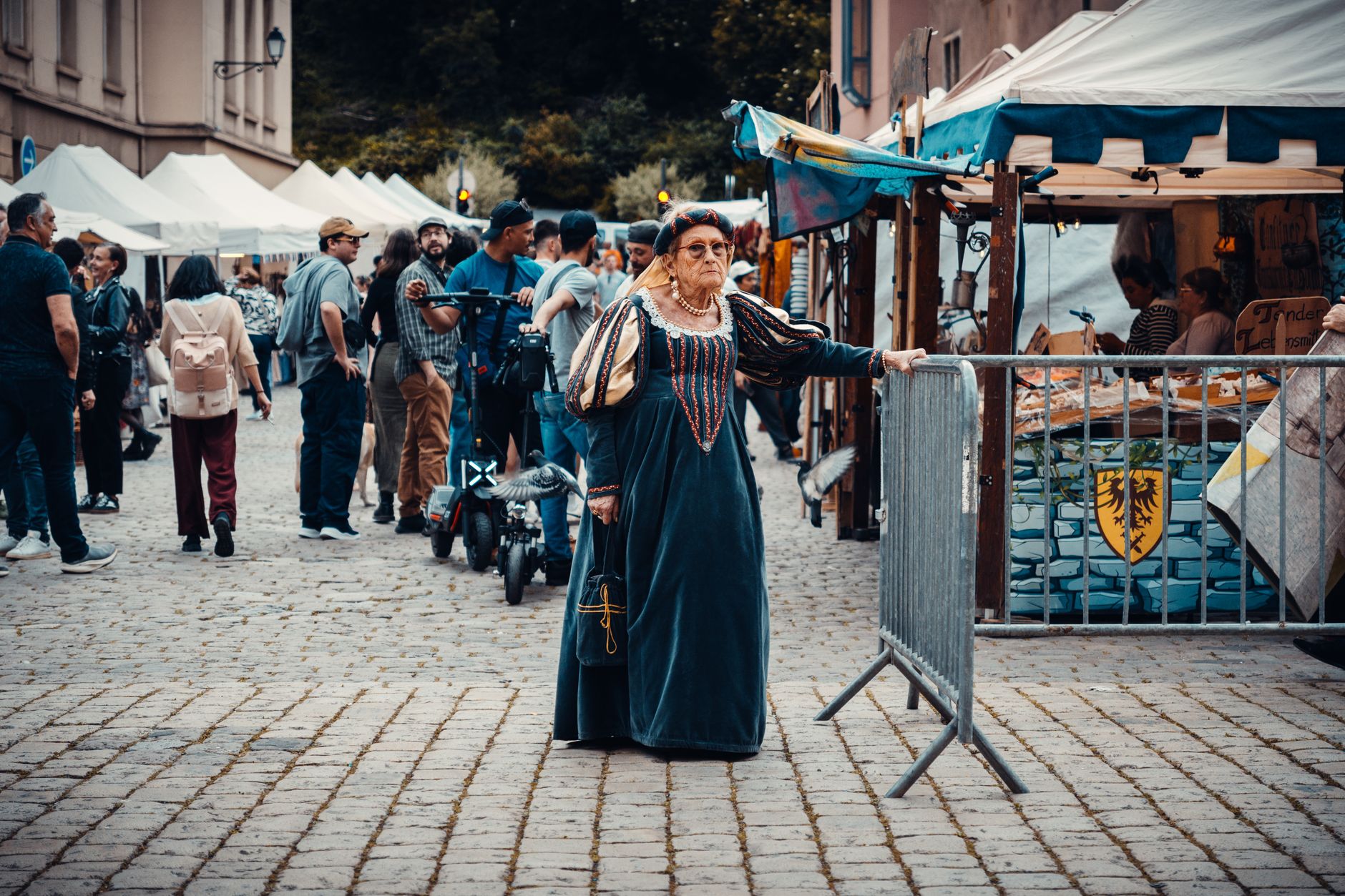
Attending a Renaissance faire offers a delightful escape to a bygone era filled with vibrant clothing, playful performances, and whimsical experiences. The key to enjoying this immersive event is figuring out what to wear, making it both stylish and functional. Whether you want to go all out in historical attire or keep it more casual with modern twists, there are endless possibilities for expressing your personal style.
In this guide, we’ll explore various outfit ideas, wardrobe essentials, and styling tips to ensure you feel comfortable and confident while blending in with the atmosphere of the faire. Read on to find the perfect ensemble for your Renaissance adventure.
What to Wear to Renaissance Faire?
When deciding what to wear to a Renaissance faire, consider a mix of historical influences, comfortable fabrics, and practical elements that suit the outdoor event setting. Incorporate a combination of layered attire, seasonal colors, and whimsical accessories to achieve your ideal look.
Understanding the Aesthetic
The Renaissance period was known for its rich fabrics, intricate patterns, and a wide array of styles, from noble garb to peasant wear. Modern interpretations allow you to play with these elements while incorporating contemporary pieces. Here’s how to capture that Renaissance crown jewel vibe:
Embracing Layers
Layering is essential for both fashion and function, especially at an outdoor fair where temperatures may fluctuate throughout the day. Think about these layering elements:
- Underdresses and Tunics: Start with a comfortable underdress or tunic. Opt for natural fibers like cotton or linen to maintain breathability. A long tunic in muted or rich colors can evoke authenticity.
- Outer Garments: Layer with a bodice, vest, or a cape for added warmth. Look for pieces that feature lace or embroidery to incorporate a more luxurious touch.
- Outerwear: If the faire is during cooler weather, a cloak or long cardigan can keep you cozy without sacrificing style. Consider fabrics like wool or blends with a slight weight.
Choosing Fabrics and Textures
Fabric selection plays a crucial role in the overall aesthetic and comfort of your attire.
- Natural Fibers: Choose breathable fabrics like cotton, linen, or wool to keep you cool and comfortable under the sun or warm in chilling temperatures.
- Rich Textures: Incorporate brocade, velvet, or suede to create depth and interest. These materials evoke the luxurious feel of the Renaissance while looking striking.
Outfit Inspirations
Now that you understand how to layer and choose fabrics, let’s look at some outfit ideas that balance historical flair with modern comfort.
For Women
- The Peasant Look:
- Start with a simple, flowing white underdress.
- Add a dark-colored bodice with lacing or embroidery.
- Finish with a long skirt in earthy tones and a pair of comfortable ankle boots.
- Accessorize with a woven belt and a flower crown for a whimsical touch.
- The Noblewoman Attire:
- Wear a fitted bodice in a rich jewel tone with long sleeves.
- Pair it with a full, flowing skirt to create an elegant silhouette.
- Choose fabric with beautiful embellishments or patterns.
- Add period-specific jewelry and a small purse or pouch to hold essentials.
- The Artisan Ensemble:
- Look for a tunic-style top paired with wide-leg trousers for ease of movement.
- Layer with an apron for an artisan touch.
- Opt for practical flats or sturdy sandals for comfort.
- Accessorize with a tool belt for the craftsman vibe.
For Men
- The Rustic Farmer:
- Begin with a loose-fitting linen shirt in a light shade.
- Add earthy-toned trousers or breeches that hit just below the knee.
- Layer with a simple vest or leather jerkin.
- Footwear should include sturdy boots that complete the rustic look.
- The Dashing Rogue:
- Choose a fitted shirt with rolled-up sleeves for a relaxed yet stylish look.
- Pair it with dark trousers or leather pants for edge.
- Complete with a waistcoat and an oversized belt for the roguelike silhouette.
- Accessorize with fingerless gloves and a hat for charisma.
- The Regal Knight:
- Start with a long tunic in bold colors that mimic medieval armor.
- Layer with a chain mail-inspired shirt or vest for authenticity.
- Pair with fitted trousers that allow for freedom of movement.
- Wear leather boots and consider adding a sword prop for flair.
Color Coordination
Color choices can enhance your overall outfit, making you feel more in tune with the Renaissance aesthetic. Here are some color tips:
- Warm Earth Tones: Colors like ochre, burgundy, and olive green reflect the rustic feel of the Renaissance.
- Vibrant Jewel Tones: Add deep shades of emerald, sapphire, or amethyst for a noble, elegant look.
- Natural Pastels: Soft colors can offer a refreshing touch, particularly for spring events.
Seasonal Dressing
Seasonality should influence your clothing choices to ensure comfort throughout the day. Consider these seasonal adjustments:
Spring
- Opt for lighter fabrics that allow breathability.
- Incorporate floral patterns or pastel colors.
- Layer with a lightweight shawl or light jacket as the evening cools down.
Summer
- Choose short sleeves or sleeveless options for warmth.
- Look for loose-fitting garments to ensure ventilation.
- Accessorize with hats and light scarves to protect against sun exposure.
Autumn
- Layer up with long sleeves and heavier fabrics.
- Choose rich, warm colors and patterns suitable for fall.
- Consider boots and thicker outerwear for comfort.
Winter
- Seek out thicker fabrics like wool or fleece-lined options.
- Layer your outfit extensively with undergarments for added warmth.
- Finish with a heavy cloak or cape, gloves, and a hat.
Accessorizing Your Outfit
Accessories can elevate your attire, adding a personal touch and historical charm. Here are key accessories for both men and women:
- Jewelry: Incorporate pieces like brooches, necklaces, and rings that feature gemstones or unique designs. Avoid overly modern styles.
- Footwear: Comfortable shoes are vital for a full day at the faire. Options include boots, sandals, or flats. Aim for something easy to walk in.
- Bags and Pouches: Consider period-appropriate bags to carry your essentials. Leather pouches can maintain the historical touch.
- Hats: Add a wide-brimmed hat, feathered cap, or pirate-style hat for character.
- Props: If you’d like, consider accessories like wooden swords, scrolls, or musical instruments for extra fun.
Wardrobe Essentials for Renaissance Attire
To make getting dressed for a Renaissance faire easier, build a wardrobe with versatile essentials. Think of the following pieces:
- Classic Tunic: A long tunic can work for various characters and be paired with different bottoms.
- Practical Trousers: Comfortable trousers or bloomers make for easy movement.
- Layering Vest: A tailored vest can elevate any outfit.
- Full Skirt: A vibrant or patterned skirt provides flexibility and style for women.
- Simple Cloak: A cloak can serve as an accessory and provide warmth.
- Comfortable Footwear: Invest in shoes or boots that can endure a day of walking.
Fit and Proportion Guidelines
While the Renaissance period was known for its variety of silhouettes, understanding your body shape will help you feel comfortable and confident in your ensemble. Here’s how to achieve the right fit:
- Know Your Silhouette: Consider how different cuts flatter your body type. A-lines and flowing garments tend to work for various shapes.
- Proportions Matter: Balance fitted pieces with looser items to avoid overwhelming your frame.
- Comfort is Key: While aesthetics are important, make sure your clothing allows for movement and comfort.
Garment Care and Maintenance
Caring for your Renaissance attire is essential to keeping it looking fresh. Here are basic care guidelines:
- Check Care Labels: Fabrics each have specific care recommendations. Follow the label for cleaning instructions.
- Washing: Most natural fabrics are machine washable. However, delicate pieces may require hand washing.
- Storage: Store clothing in a cool, dry place. Avoid overcrowding the hangers, which can distort fabric shape.
- Repairs: Address minor damages promptly. Sewing kits can fix loose hems or seams.
Shopping Tips for Renaissance Attire
When shopping for your Renaissance outfit, keep these pointers in mind:
- Thrift Stores and Vintage Shops: Often, you can find unique pieces that align with the Renaissance style at a reasonable price.
- Craft Fairs: Local artisans may sell handmade items that perfectly reflect the era’s aesthetic.
- Online Retailers: Consider reputable sites specializing in Renaissance clothing, but read reviews and return policies before purchasing.
- Renting Costumes: If you don’t plan to wear the outfit again, renting can save money and allow access to high-quality pieces.
Bringing It All Together
Choosing the right outfit for a Renaissance faire can transform your experience into a memorable adventure. By carefully selecting layers, colors, and accessories, you can create a personalized look that speaks to the charm of the era while ensuring practicality. Remember, the faire is all about creativity and self-expression. Don’t be afraid to mix and match different elements that resonate with you.
So, as you prepare for your next Renaissance adventure, consider experimenting with various outfits, adding unique accessories, and embracing the spirit of the era while keeping comfort at the forefront.
For even more outfit ideas and styling tips, check out this guide on Renaissance fair attire to help you make the most of your Renaissance experience.