
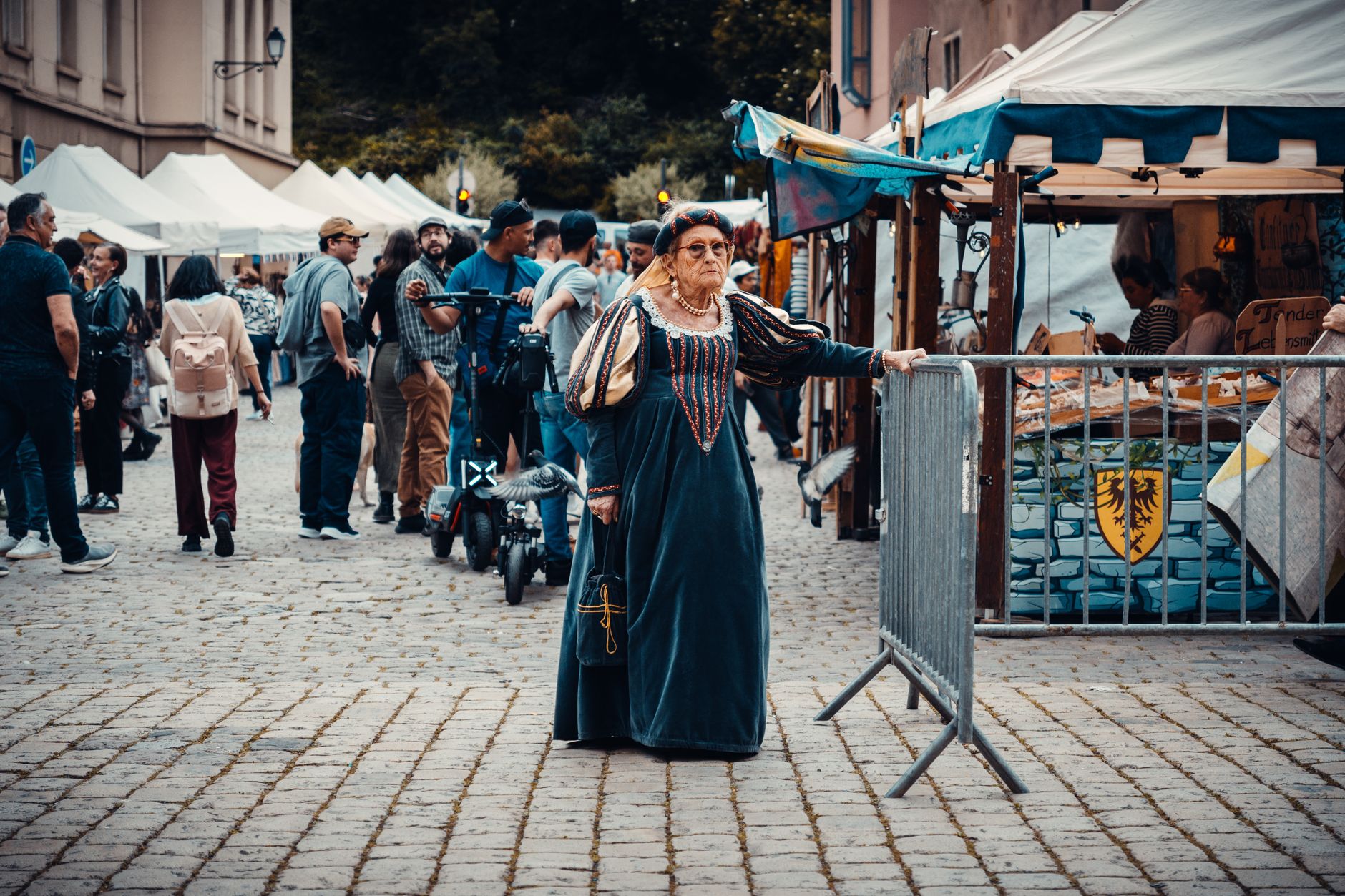
When heading to a Renaissance fair, the excitement of stepping into a world reminiscent of the 15th to 17th centuries is palpable. The joy of dressing in historically inspired outfits allows for creativity and self-expression while immersing oneself in the themed experience. Given the unique setting and activities at such events, dressing appropriately can enhance enjoyment.
This guide offers practical tips and outfit ideas for what to wear to a Renaissance fair. Whether you prefer a casual take on tradition or wish to embrace full period costumes, we’ll help you navigate your wardrobe choices with confidence.
What to Wear to a Renaissance Fair?
Choosing an outfit for a Renaissance fair involves balancing thematic attire with personal comfort. An ideal outfit typically includes elements like flowing fabrics, earthy colors, and accessories that evoke the essence of the Renaissance period. This article explores various outfit ideas and considerations tailored to cater to varying weather conditions, body types, and personal styles.
Understanding the Renaissance Fair Aesthetic
The Renaissance fair aesthetic centers on recreating a historical ambiance with influences from medieval and early modern European history. Outfits often feature:
- **Natural Fabrics**: Cotton, linen, wool, and leather provide authenticity and comfort.
- **Layered Silhouettes**: Flowing skirts, tunics, and cloaks create a dramatic effect.
- **Earthy and Jewel Tones**: Colors like burgundy, forest green, navy, gold, and deep purple complement the theme beautifully.
- **Accessories**: Elaborate belts, hats, jewelry, and footwear add to the authenticity.
Key Outfit Components
To create the perfect Renaissance fair outfit, consider the following essential components:
For Women
- Dress or Skirt: A long, flowing dress or a tiered skirt paired with a simple top can serve as the foundation of your outfit. Look for pieces with embellishments like lace or embroidery to enhance the historical charm.
- Bodice or Corset: A fitted bodice or corset-style top not only flatters the figure but also adds a historical touch when layered over a blouse.
- Blouse: A loose-fitting, long-sleeved blouse adds texture and ease, perfect for layering under a bodice or a wrap dress.
- Cloak or Shawl: A lightweight cloak can be both an accessory and a layer for warmth during cooler weather.
For Men
- Tunic or Doublet: A knee-length tunic or fitted doublet can serve as the centerpiece of a male Renaissance costume. Look for fabric with rich colors and textures.
- Breeches or Pants: Choose tailored breeches or wide-legged pants that are comfortable and allow for movement while paying homage to the era.
- Shirt: Opt for a billowy, white or cream shirt with billowing sleeves, reminiscent of the period.
- Cloak: Like women’s fashion, a cloak can also be a stylish addition to men’s outfits.
Gender-Inclusive Options
Renaissance attire is highly adaptable, allowing for gender-inclusive options that facilitate personal expression. Here are some ideas to consider:
- Flowy dresses can be styled with traditionally masculine elements like vests or leather belts. This merges both aesthetics seamlessly.
- Layered looks using tunics with pants and cloaks fit any gender orientation while adhering to the Renaissance theme.
- A balance of traditionally masculine and feminine accessories can also allow individuals to convey their unique style effectively.
Footwear for Comfort and Style
Footwear is a critical component of any Renaissance fair outfit, not just for aesthetics but for comfort, as you’ll likely spend hours walking. Consider the following:
Appropriate Footwear Choices
- Leather Boots: Knee-high leather boots or ankle boots can provide both comfort and authenticity. Choose styles that have a rustic finish.
- Period-Specific Sandals: If the weather permits, sandals can also be a breathable option. Look for strappy designs that mimic historic styles.
- Comfortable Flats: For those who prefer lower shoes, opt for embellished flats that fit the Renaissance aesthetic.
Footwear Care Tips
Ensure that your footwear is worn in before the fair to avoid discomfort. When selecting leather, consider waterproofing treatments to protect against unexpected weather elements during the event.
Accessorizing Your Outfit
Accessories can elevate your outfit and add personalization. Here are some suggestions:
- Belts: Opt for wide or decorative belts to cinch your waist and create shape, enhancing both feminine and masculine silhouettes.
- Jewelry: Consider pieces like brooches, necklaces, or headpieces inspired by nature, such as flower crowns or ornate circlets.
- Hats: From wide-brimmed hats to caps adorned with feathers or jewels, headwear can add a finishing touch.
Layering for Weather Variability
Renaissance fairs often entail spending a significant amount of time outdoors, so layering is key for fluctuating weather conditions. Here are some ideas based on seasonal variations:
Spring and Fall Layers
- In cooler months, wear undergarments or thermal leggings beneath your costume for added warmth.
- A cozy, fitted long-sleeve top or tunic can serve as a base layer.
- Add a cloak or shawl that can be easily removed when temperatures rise.
Summer Variations
- Choose breathable fabrics like linen or cotton to keep cool.
- Shorter skirts or sleeves paired with lighter layers can help navigate the heat.
- Consider a sundress or sleeveless option complemented by a lightweight shawl for evenings.
Color Coordination and Fabric Choices
Choosing colors and fabrics that work together can help create a cohesive and polished outfit. Here are some guidelines:
Color Coordination
- Stick to a palette of two to three colors to avoid a cluttered appearance.
- Earthy tones blend harmoniously, while jewel tones can add pops of vibrancy.
- Use complementary colors to balance your outfit. For instance, if your skirt is deep green, consider a cream blouse to soften the look.
Fabric Selection
Choosing the right fabrics adds both comfort and authenticity:
- **Cotton and Linen**: Naturally breathable, ideal for warmer fairs.
- **Wool**: Offers warmth and retains structure, suitable for colder temperatures.
- **Silk or Satin**: Adds a luxurious touch, particularly in accessories.
Practical Tips for Outfit Planning
When planning your fair outfit, there are several practical considerations to keep in mind:
Fit and Proportion
- Ensure that your outfit fits well, allowing for movement and comfort. Avoid overly tight clothing.
- Experiment with layering to find balance. For example, pair a fitted bodice with a fuller skirt to create an hourglass silhouette.
Shopping and Building Your Wardrobe
Building a Renaissance-inspired wardrobe can be done by mixing vintage pieces with modern items. Here are some tips:
- Visit thrift stores for overlooked garments, or consider renting costumes if you’re unsure about committing to a full outfit.
- Keep a capsule wardrobe in mind by investing in versatile basics that can be layered in various combinations.
- Seek costume shops for high-quality, period-correct garments.
Garment Care for Renaissance Attire
Proper garment care maintains the longevity and beauty of your clothing. Here’s how to care for different fabrics:
Wool:
- Hand wash in cold water using a gentle detergent.
- Dry flat to prevent stretching, avoiding hangers.
Cotton and Linen:
- Machine washable in cold or warm water.
- May be tumbled dried on a low setting, but air drying is preferred to maintain structure.
Silk:
- Dry clean only to maintain its integrity.
Creating a Complete Look
Here’s how to put together a cohesive Renaissance outfit with the components discussed. Use these outfit combinations as inspiration:
Women’s Outfit Idea
- Flowy burgundy dress paired with a cream lace-up bodice.
- Add a long, flowing beige cloak and a floral crown.
- Finish with brown leather ankle boots and a wide belt to cinch the waist.
Men’s Outfit Idea
- Forest green tunic with leather accents and beige breeches.
- Layer with a cream billowing shirt underneath.
- Accessorize with a simple belt and knee-high brown leather boots.
Gender-Inclusive Outfit Idea
- Layer a button-up white shirt over fitted, high-waisted trousers.
- Add a long, flowing cape) and an embellished belt.
- Complete with comfortable flats and a jeweled headpiece.
Final Thoughts on Renaissance Fair Attire
Attending a Renaissance fair is an opportunity to let your creativity shine through your outfit. Embrace layering, opt for natural fabrics, and prioritize comfort to ensure an enjoyable experience. Tailoring your look to suit your personal style while adhering to the Renaissance theme will make for a memorable adventure.
Whether you opt for a full costume or a modern twist on traditional pieces, allow your outfit to reflect who you are while enjoying the realm of history. Now that you have some guidelines and outfit ideas at your disposal, take the time to explore your wardrobe or shop for elements that will complete your look for an enchanting day at the fair.
Ready for inspiration? Check out our fashion guides for more tips on creating unique outfits, exploring styling options, and understanding the nuances of fashion history.