
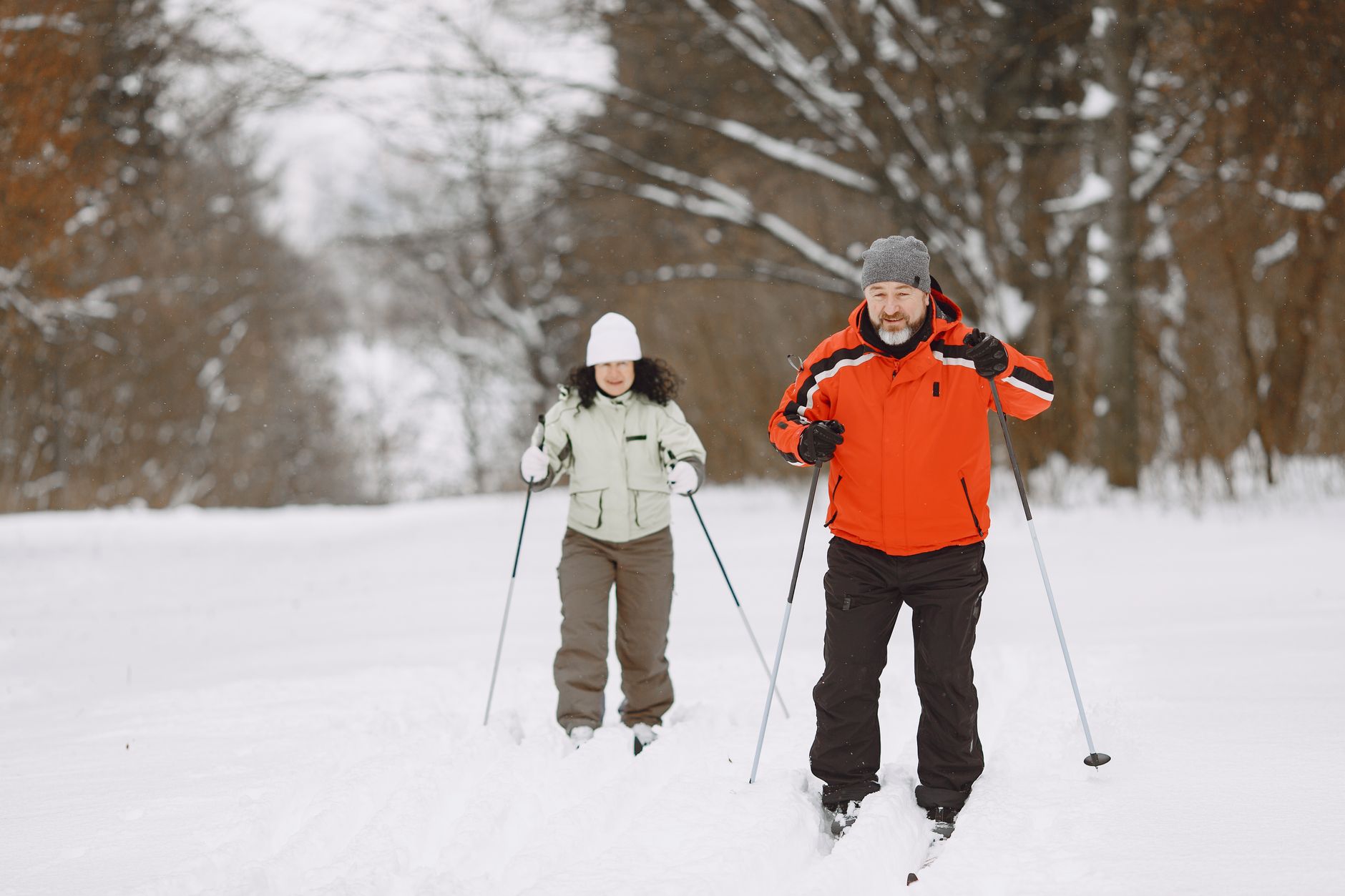
Cross country skiing is not only an exhilarating form of exercise but also an opportunity to express your sense of style while braving the cold. Dressing appropriately is crucial for both comfort and performance. This guide will walk you through all the necessary outfits, layering techniques, and essential accessories to ensure you look and feel your best on the trails.
Whether you’re a beginner or an experienced skier, understanding what to wear can enhance your overall experience. Let’s dive into outfit ideas, fabric choices, and practical style tips perfect for cross country skiing.
What to Wear Cross Country Skiing?
When dressing for cross country skiing, consider a combination of layered clothing that offers both insulation and breathability. Lightweight, moisture-wicking fabrics are ideal for regulating your temperature while skiing. Key components include base layers, mid-layers, outer layers, and essential accessories.
Base Layer: The Foundation of Your Outfit
The base layer is the foundation of your skiing outfit, designed to wick moisture away from your skin while offering thermal insulation. Here’s what you need to know:
- Material: Look for synthetic fabrics or merino wool. These materials are excellent for temperature control and moisture management.
- Fit: A snug fit is key; it should feel comfortable against the skin without restricting movement.
- Styles: Consider long-sleeve tops and fitted leggings or thermal pants.
Men’s Base Layer Ideas
- Long-sleeve merino wool top paired with moisture-wicking thermal tights.
- Compression shirt and fitted long underwear for a snug base.
Women’s Base Layer Ideas
- Thin long-sleeve synthetic shirt with thermal leggings.
- Layered tank top and full-length tights for added flexibility.
Mid Layer: Insulation and Comfort
The mid layer is essential for providing insulation and additional warmth. It helps retain heat without adding bulk. Here’s how to choose the right pieces:
- Material: Fleece, down, or synthetic insulation materials work best.
- Fit: Choose a fit that allows for layering over the base layer without being too tight.
- Styles: Fleece jackets, down vests, or lightweight pullovers are great options.
Men’s Mid Layer Options
- Lightweight fleece jacket or a down vest over a base layer.
- Synthetic pullovers that provide breathability and warmth.
Women’s Mid Layer Options
- Fleece-lined jacket for warmth that’s easy to layer.
- Lightweight insulated vest for extra core warmth.
Outer Layer: Protection from the Elements
The outer layer shields you from wind, snow, and moisture. Consider the following attributes when selecting outerwear:
- Material: Look for waterproof or water-resistant fabrics, such as Gore-Tex or other synthetic materials.
- Fit: Choose a looser fit that allows space for layering underneath.
- Styles: Specialized ski jackets and pants with ventilation zippers are ideal.
Men’s Outer Layer Suggestions
- Waterproof ski jacket paired with breathable ski pants.
- Shell jacket with adequate features like pockets and ventilation options.
Women’s Outer Layer Suggestions
- Insulated waterproof ski jacket with a fitted waistband for a flattering look.
- Adjustable ski pants that allow freedom of movement and include pockets.
Essential Accessories for Cross Country Skiing
Accessories play a crucial role in ensuring both comfort and performance on the trails. Here’s what to include:
- Hats & Beanies: Keep your head warm with a snug-fitting beanie or a headband that covers your ears.
- Gloves & Mittens: Choose moisture-wicking gloves or mittens that allow for dexterity and warmth.
- Neck Gaiters or Scarves: These are essential for protecting your neck and face from cold winds.
- Socks: Opt for cushioned, moisture-wicking socks that provide warmth and comfort.
Footwear: Choosing the Right Ski Boots
Footwear is vital for performance. Cross country ski boots should fit comfortably and be compatible with your ski bindings. Consider these factors:
- Fit: Ensure the boots fit snugly but not too tight, allowing room for movement.
- Insulation: Look for insulated boots to keep your feet warm during colder outings.
- Style: Opt for lightweight boots that have good grip and support.
Layering Techniques for Optimal Comfort
Layering is essential for cross country skiing, allowing you to adjust your clothing based on your activity level and temperature. Follow these tips for effective layering:
- Start with a Moisture-Wicking Base: Begin with a thin, fitted base layer.
- Add Insulating Mid Layers: Layer a fleece or insulated garment appropriate for the weather.
- Finish with a Protective Outer Layer: Top it off with a waterproof jacket that can withstand the elements.
- Adjust as Needed: Be prepared to change layers, adding or removing pieces based on exertion level.
Color Coordination: Making Your Outfit Cohesive
While function is key, looking stylish can boost your confidence. Here are some tips for color coordination:
- Keep It Simple: Choose a cohesive color palette of two to three main colors that mix well.
- Bright Accents: Incorporate pops of color through accessories like hats and gloves.
- Classic Neutrals: Base layers in neutral tones allow you to play with brighter outer layers.
Wardrobe Essentials for Cross Country Skiing
Creating a capsule wardrobe specifically for cross country skiing can simplify your packing and ensure you have all essential items. Here’s a list of wardrobe essentials:
- 3-5 moisture-wicking base layer tops
- 2-3 pairs of thermal leggings or pants
- 1-2 insulating mid-layer jackets
- 1 waterproof outer jacket and pants
- 1-2 pairs of insulated ski boots
- Caps, gloves, neck gaiter, and ski socks
Seasonal Dressing: Adapting to Changing Conditions
Weather conditions can vary significantly during the skiing season. Tailoring your outfit choices to seasonal changes is important. Consider the following:
Warmer Weather
- Opt for lighter base layers, such as short-sleeved tops and capri-length tights.
- A light, breathable mid-layer can be paired with a shell jacket for wind protection.
- Utilize moisture-wicking socks to ensure comfort.
Colder Weather
- Choose thicker base layers and insulated mid-layers for added warmth.
- Ensure your outer layer is windproof in addition to waterproof.
- Don’t forget your hat and mittens to keep extremities warm.
Garment Care: Maintaining Performance Wear
Proper care of your skiing wardrobe will prolong its life and maintain its performance features. Here are some key tips:
- Follow Care Labels: Always refer to the care instructions on the label for each garment.
- Washing: Use gentle cycles with cold water for synthetic and wool fabrics, and avoid fabric softeners.
- Drying: Air dry your layers when possible; avoid high heat that can damage waterproof coatings.
Shopping Tips: Choosing the Right Gear
When heading out to shop for cross country skiing gear, consider the following tips:
- Try Before You Buy: Always try on items to ensure an optimal fit, especially with ski boots.
- Test Movement: Move around in the garments to ensure they allow a full range of motion.
- Invest in Quality: High-quality materials often last longer and perform better, making them a worthy investment.
Common Styling Difficulties and Solutions
Styling can sometimes pose challenges, especially when attempting to balance functionality with aesthetics. Here are some common issues along with solutions:
- Too Many Layers: If you feel bulky, opt for lightweight fabrics that insulate effectively without bulk.
- Overheating: If you tend to overheat, keep base layers lightweight and ventilated.
- Footwear Comfort: If your boots are tight, consider a half size up to allow comfort without slippage.
Mixing and Matching: Versatile Outfit Ideas
Now that you understand the different components, here are some versatile outfit combinations:
Casual Outing
- Long-sleeve moisture-wicking shirt
- Fleece mid-layer jacket
- Water-resistant ski pants
- Lightweight insulated gloves
- Comfortable fleece-lined hat
Active Day on the Trails
- Short-sleeve base layer
- Lightweight windbreaker
- Capri ski tights for warmer weather
- Headband for ear coverage
- Moisture-wicking, cushioned socks
Colder Winter Adventure
- Long-sleeve thermal top
- Insulated mid-layer fleece
- Heavy-duty waterproof ski jacket and pants
- Insulated gloves and a beanie
- Thick, moisture-wicking ski socks
Conclusion
With the right outfit choices, cross country skiing can be a stylish and enjoyable experience. Focus on layering effectively while selecting suitable fabrics to maximize comfort and performance. Don’t forget to experiment with colors and styles to express your individuality while hitting the trails. Remember to check your garment’s fit to ensure everything works in harmony.
Explore more outfit ideas such as what to wear skiing and what to wear snowboarding to expand your winter wardrobe essentials!