
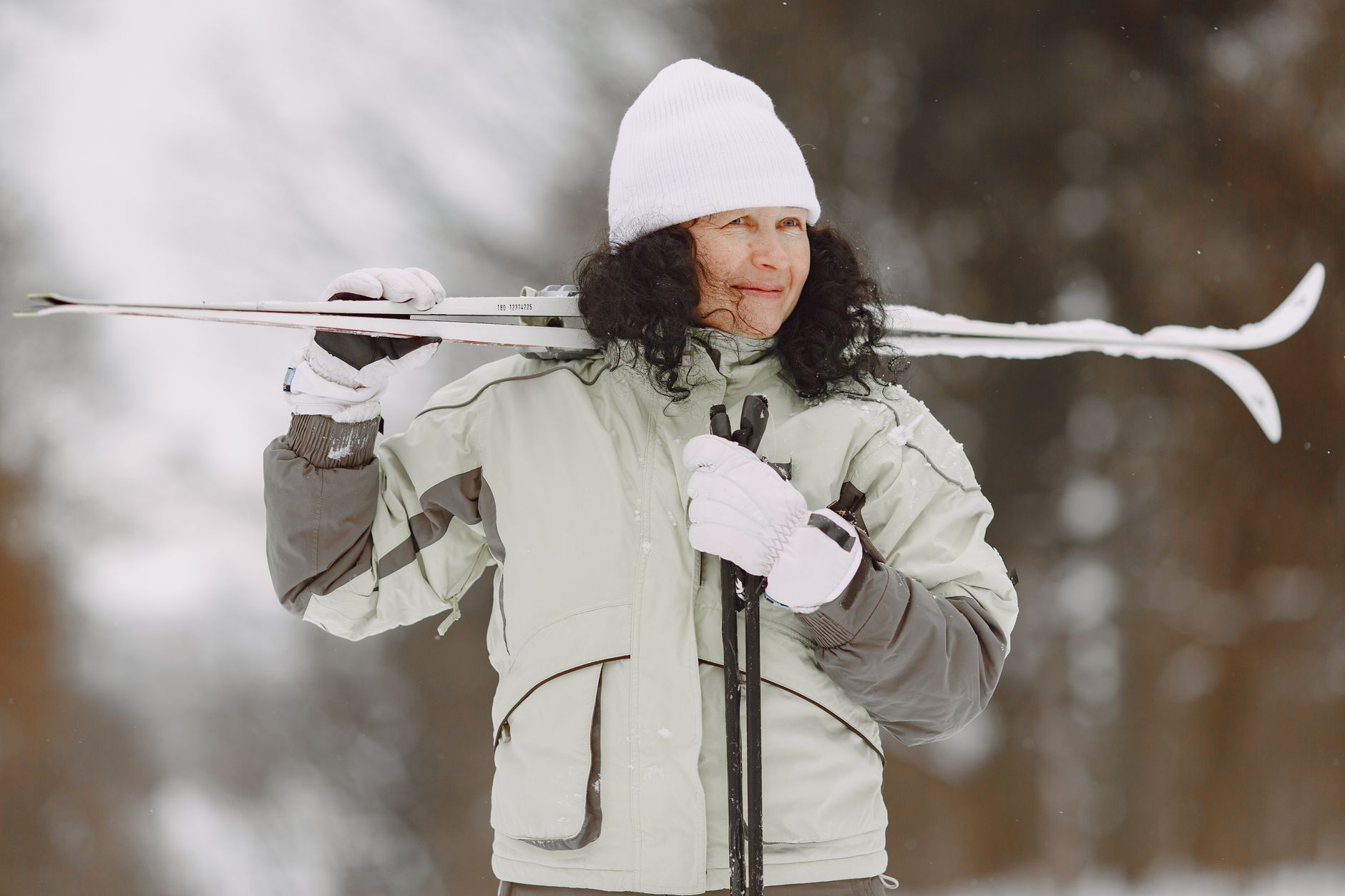
As the snow begins to fall and ski resorts gear up for another winter season, many outdoor enthusiasts are getting ready for their long-awaited trips to the slopes. But before hitting the mountain, it’s important to know what to wear skiing to stay warm, comfortable, and stylish.
Choosing the right outfit can enhance your skiing experience, offering protection from the elements while allowing freedom of movement. In this guide, we’ll explore essential clothing items, practical outfit combinations, and tips on how to style your ski look most effectively.
What to Wear Skiing?
Selecting the best ski attire involves understanding the balance between warmth, breathability, and mobility. A good skiing outfit typically consists of several layers combined with appropriate accessories. Below, we’ll break down each component you should consider.
Understanding the Basics of Ski Attire
Ski attire is usually composed of three main layers:
- Base Layer: This is the layer closest to your skin, designed to wick moisture away while providing warmth.
- Mid Layer: This layer provides insulation and retains body heat while still allowing moisture to escape.
- Outer Layer: This consists of a waterproof and windproof jacket and pants to protect against the elements.
Choosing Your Base Layer
Your base layer is crucial as it directly impacts your comfort on the slopes. Here are some options:
- Thermal Tops and Bottoms: Look for materials like merino wool or synthetic fabrics designed for moisture management.
- Long Sleeve Tops: A close-fitting long sleeve top will keep you warm without adding bulk.
- Leggings or Long Underwear: Choose leggings that fit snugly under your ski pants without bunching.
Finding the Right Mid Layer
Your mid layer is all about insulation. Here are some styles to consider:
- Fleece Jackets: Lightweight and breathable, fleece is great for warmth without weight.
- Insulated Jackets: These add extra warmth and can sometimes be water-resistant.
- Down Vests: Ideal for added warmth without restricting arm movement, layered under an outer jacket.
The Outer Layer Essentials
Your outer layer serves as your defense against wind, water, and cold. Key components include:
- Ski Jacket: Look for features like a waterproof rating, breathability, and snow skirt to keep snow out.
- Ski Pants: Choose pants that fit well and allow for sufficient movement while being waterproof and insulated.
- Ski Suit: One-piece options are available for a streamlined fit, offering full-body protection.
Accessorizing Your Ski Outfit
Accessories play a critical role in keeping you comfortable while skiing. Here are the must-have items:
- Gloves or Mittens: Insulated and waterproof gloves protect your hands while allowing dexterity.
- Hats and Beanies: A warm hat is essential, ideally one that fits under your helmet if you wear one.
- Neck Gaiters or Buffs: These can help protect your neck and face from wind and cold.
- Ski Socks: Opt for thick, moisture-wicking socks specifically designed for skiing to avoid blisters.
Fashion-Forward Ski Outfit Ideas
Now that we’ve covered the foundation of ski clothing, let’s dive into creating fashionable ski outfits. Whether looking for a casual style or a sleek and sophisticated look, the options are abundant.
Stylish Casual Ensemble
- Base Layer: Fitted merino wool thermal top and leggings.
- Mid Layer: Lightweight fleece jacket in a fun color.
- Outer Layer: A vibrant ski jacket with matching pants.
- Accessories: Color-coordinated gloves, a stylish beanie, and bright ski socks.
This ensemble is not only functional but allows for a bit of personality to shine through while on the slopes.
Chic and Sophisticated Look
- Base Layer: Sleek black turtleneck thermal top with high-waist leggings.
- Mid Layer: A fitted down vest layered over your base.
- Outer Layer: Tailored insulated ski jacket paired with black ski pants.
- Accessories: Sophisticated black gloves, a minimalist scarf, and a stylish ski helmet.
This outfit strikes a balance between elegance and functionality, perfect for those who want to look stylish while enjoying winter sports.
Adventurous Boulder Style
- Base Layer: Loose-fitting thermal shirt and printed leggings.
- Mid Layer: A patterned fleece hoodie for added flair.
- Outer Layer: An eye-catching bright ski jacket and snow pants.
- Accessories: Colorful headband, playful mittens, and unique ski socks.
This adventurous outfit is ideal for those who want to embrace a fun vibe while tackling challenging slopes.
The Importance of Layering
Layering is a ski wear fundamental that allows you to adapt to changing weather conditions. If it becomes warmer during the day, you can easily remove the mid layer without sacrificing comfort. Here are tips for effective layering:
- Choose fitted layers to avoid bulk but allow for movement.
- Mix materials; combining different fibers can enhance warmth and moisture control.
- Opt for zippered layers to regulate temperature easily – unzipping is an instant cooling method.
Choosing the Right Footwear for Skiing
When it comes to skiing footwear, there are two primary considerations: ski boots and après-ski shoes.
Choosing Ski Boots
Your ski boots are one of the most important parts of your skiing experience. Here are some guidelines to keep in mind:
- Fit: The boots should fit snugly without being overly tight. A good fit ensures control over your skis.
- Flex: Different boots offer varying degrees of flex. Beginners usually benefit from softer boots, while advanced skiers may prefer stiffer ones for better responsiveness.
- Insulation: Choose boots that provide warmth but ensure they are breathable to manage moisture.
Après-Ski Footwear
After a day on the slopes, you’ll want comfortable and warm footwear for relaxing. Options include:
- Winter Boots: Insulated and waterproof options provide comfort and protection.
- Snowy Slippers: Warm and cozy, ideal for lounging in your lodge.
- Casual Sneakers: A lightweight, easy-to-wear option for walking around town.
Fabric Know-How: Materials That Matter
Understanding the fabrics used in ski apparel is key to choosing the right gear. Here’s a breakdown of common materials:
| Fabric | Properties |
|---|---|
| Merino Wool | Excellent moisture-wicking and thermal regulation, naturally odor-resistant. |
| Synthetic Fabrics | Lightweight, quick-drying, and often more affordable; look for breathable options. |
| Down | Great insulation-to-weight ratio, though less effective when wet unless treated. |
| Fleece | Warm and breathable, ideal as a mid-layer; lightweight and quick-drying. |
| Gore-Tex | Waterproof and breathable; an excellent choice for outer layers. |
Garment Care and Maintenance
Taking proper care of your ski gear can extend its lifespan and maintain performance. Here are some key maintenance tips:
- Follow Care Labels: Always check the labels for specific washing instructions.
- Avoid Fabric Softeners: These can clog the moisture-wicking properties of fabrics.
- Air Dry: Line drying is often better than machine drying, as high heat can damage technical fabrics.
- Store Properly: Keep your ski gear in a cool, dry place away from direct sunlight.
Adapt to Different Conditions
Weather conditions can vary significantly, so it is essential to adapt your ski outfit accordingly. Here are some considerations based on temperature:
- Warm Weather: Lighten your layers with short-sleeved base layers and slightly lighter mid-layers.
- Cold Weather: Include an additional insulating layer, such as a thicker fleece or down jacket.
- Wet Conditions: Ensure that your outer layer has high waterproof ratings and consider adding waterproof gloves.
Conclusion
What you wear skiing can truly enhance your experience on the slopes. Prioritize layering, choosing quality clothing and accessories that not only keep you protected from the elements but also allow you to express your personal style. As you prepare for your ski trip, take the time to select outfits that meet your functional needs while reflecting your aesthetic preferences.
Consider trying a combination of different layers and styles from this guide to discover what works best for you. Whether you want to look chic or stay cozy, becoming familiar with these essentials will have you geared up and confident on the slopes. Ready to elevate your ski style? Now’s the time to check your ski wardrobe and make necessary adjustments or additions!
For more ideas on winter styles, consider exploring our related outfit ideas, styling tips, or guides on winter fashion.