
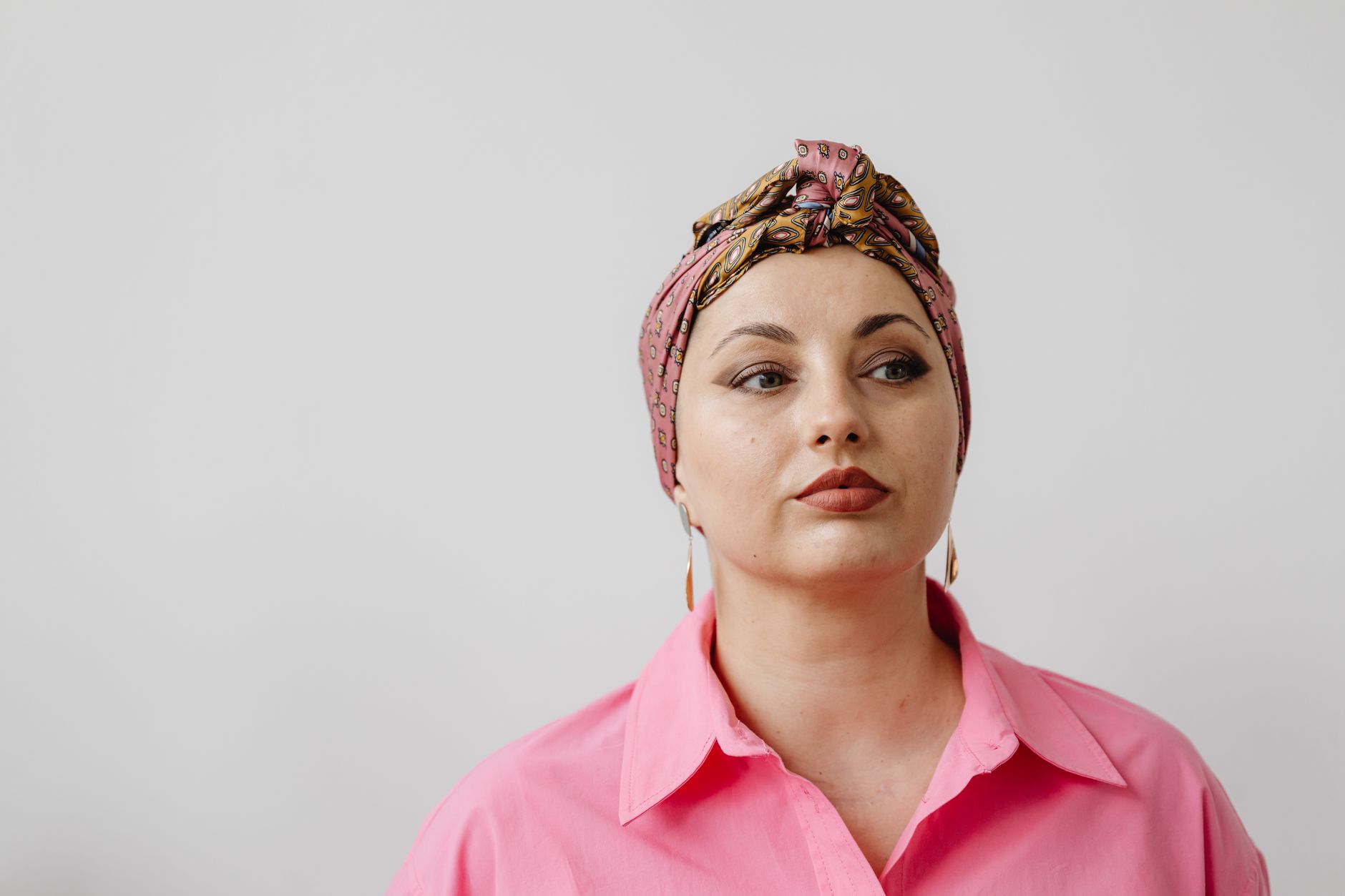
Head scarves are not just practical accessories; they are also versatile pieces of fashion that can elevate any outfit. With various tying styles available, you can easily express your creativity and personality through this simple accessory. In this guide, we will explore how to tie a head scarf, along with outfit ideas and styling tips to seamlessly incorporate this accessory into your wardrobe.
From casual looks to more formal outfits, a head scarf can add color, texture, and interest to your ensemble. Let’s delve into different tying techniques, how to coordinate them with your outfits, and essential tips to master the art of wearing a head scarf.
How to Tie a Head Scarf?
Tying a head scarf is easy and can be done in a variety of styles, including a classic knot, turban style, or bandana look. To start, choose a scarf made from a lightweight fabric such as cotton or silk that drapes well. Different styles serve various purposes and aesthetic values, so the tying method you select could change the whole vibe of your outfit.
Basic Tying Techniques
Here are some straightforward techniques for tying a head scarf:
1. Classic Knot Style
This style provides a timeless look, suitable for casual outings or even workwear. To achieve this:
- Start with a square scarf, folding it into a triangle.
- Place the triangle at the back of your head, allowing the ends to drape down over your shoulders.
- Bring the ends to the front and tie a knot at the forehead.
- Adjust it as needed for comfort and style.
2. Turban Style
The turban style is chic and offers more coverage. Follow these steps:
- Begin with a long rectangular scarf.
- Place the scarf at the nape of your neck, bringing the ends above your ears.
- Cross the ends over the top of your head, adjusting as necessary.
- Take the ends back to the nape and tie them in a knot, then tuck in any loose ends.
3. Bandana Look
A bandana style is a fun, youthful way to wear a scarf. Here’s how:
- Fold your square scarf into a triangle.
- Roll the triangle from the base to the top into a thin strip.
- Place the middle of the rolled scarf at the back of your head, pulling the ends to the front.
- Cross the ends under your chin and tie them at the back of your head.
4. Hair Wrap Style
This style is great for protecting your hair and looks fabulous. To do this:
- Take a long rectangular scarf.
- Place it over your head, ensuring that the ends hang down on your shoulders.
- Twist the scarf around your hair, making sure to keep it flat against your scalp.
- Wrap the ends and tuck them at the base or tie them off for a finished look.
Choosing the Right Scarf
The fabric and size of your scarf can affect its overall appearance and practicality. Here are some tips to help you select the perfect scarf:
- Fabric: Generally, lightweight fabrics like cotton, silk, or jersey are recommended for comfort and style. Each fabric brings a different vibe; silk will look luxurious, while cotton is more casual.
- Size: A larger scarf (around 36 inches or more) gives more versatility for tying, while medium-sized scarves can work well for simpler styles.
- Texture and Pattern: Consider how the texture of the scarf fits with your outfit. Patterns can add interest, while solid colors can serve as a neutral backdrop.
Outfit Ideas Featuring a Head Scarf
Now that you know how to tie a head scarf, let’s look at some stylish outfit combinations that work well with these accessories.
Casual Look
For a relaxed weekend outfit, consider pairing a head scarf with the following:
- A loose-fitting white T-shirt or casual blouse
- High-waisted mom jeans or denim shorts
- Classic white sneakers or comfortable sandals
- A lightweight denim or bomber jacket for layering
Here, the scarf adds a pop of color or pattern, enhancing the everyday outfit while keeping it effortless.
Workwear Style
Incorporate a head scarf into your work attire for a polished finish:
- A tailored blazer over a fitted blouse
- Chic high-waisted trousers or a pencil skirt
- Pointed toe flats or low block heels for comfort
- Minimalist jewelry to keep the focus on the scarf
Choose a scarf with a subtle pattern or rich color to tie everything together seamlessly.
Evening Glam
For a night out or formal occasion, elevate your outfit with a head scarf by pairing it with:
- A fitted, solid-colored dress
- Statement heels or elegant ankle boots
- Chic clutch or crossbody bag
- Bold earrings or a stacked bangle set
A silk or satin scarf adds an element of sophistication and glamour to an evening dress.
Color Coordination Tips
Matching colors effectively can make or break an outfit. Here are some guidelines for incorporating a head scarf into your ensembles:
- Use the Color Wheel: Complementary colors (opposite sides of the wheel) create vibrant contrasts. Analogous colors (next to each other) produce a more cohesive look.
- Balance Patterns: If your scarf has a bold pattern, keep the rest of the outfit simple with solid colors to avoid overwhelming your look.
- Match with Neutrals: Neutrals like black, white, gray, and beige can help your scarf stand out without clashing, making them ideal options.
- Consider Skin Tone: Warmer tones (reds, yellows) often suit warmer skin tones, while cooler tones (blues, greens) work better with cooler skin tones. Choosing a color that flatters your complexion will enhance your overall outfit.
Layering with Head Scarves
Head scarves can be an excellent accessory for layering. Here’s how to utilize them through different seasons:
Spring and Summer
In warmer months, scarves can add a light layer, keeping your neck cool while providing style:
- Pair with flowy sundresses or lightweight tops and shorts.
- A straw hat paired with a scarf can also protect from sun exposure.
Fall and Winter
As temperatures drop, use scarves to add warmth and texture:
- Layer over sweaters or with coats; opt for thicker fabrics like wool or cashmere for warmth.
- A head scarf can add a chic touch under a beanie or hat for added warmth while still being stylish.
Caring for Your Head Scarves
To maintain the quality and appearance of your scarves, proper care is essential:
- Cleaning: Always check the care label for specific washing instructions. Generally, hand washing in cold water is safest for delicate fabrics.
- Storing: Store your scarves flat or rolled to prevent creasing. Avoid hanging them to preserve their shape.
- Removing Wrinkles: Use a steamer on low settings for silk scarves. For other fabrics, lightly press with an iron on the appropriate setting, or hang to let gravity do the work.
Cultural Significance and Fashion History
Head scarves have rich cultural and historical significance across many communities. Traditionally, they have been worn for reasons encompassing fashion, religious expression, and cultural identity:
- Protection: Historically, head coverings have offered protection from elements such as sun and wind.
- Symbolism: In many cultures, scarves symbolize modesty, status, or marital status.
- Fashion Forward: Recently, head scarves have seen a resurgence in fashion, often celebrated in high fashion and adopted by various style icons.
Inclusive Styling for All
Head scarves are not limited to specific genders, body types, or fashion styles. They can be adapted to suit anyone’s needs and preferences. Here are some tips on inclusive styling:
- Experiment with Different Styles: Try various tying methods, shapes, and colors until you find ones that resonate with your personal style.
- Fit and Comfort: Ensure that the scarf is comfortable on your head. Overly tight or loose scarves may become distracting or uncomfortable during wear.
- Gender-Inclusive Options: Both men and women can incorporate head scarves into their daily attire, whether it’s for practicality, style, or personal expression.
By embracing a head scarf, you can effortlessly express your individuality, make bold fashion statements, and add functionality to your outfits.
In summary, knowing how to tie a head scarf opens up a world of styling possibilities. Whether you want a casual, professional, or glamorous look, they are a flexible accessory that enhances your wardrobe. Start by trying different tying techniques, explore vibrant colors, and incorporate these tips for your outfits.
Now that you’re equipped with all the tips and ideas for tying a head scarf, it’s time to experiment with your wardrobe. Don’t hesitate to play with textures, colors, and styles; let your creativity shine through!
Explore further related outfit ideas, like how to tie a scarf on your head or check out how to style a scarf for even more fashion inspiration.