
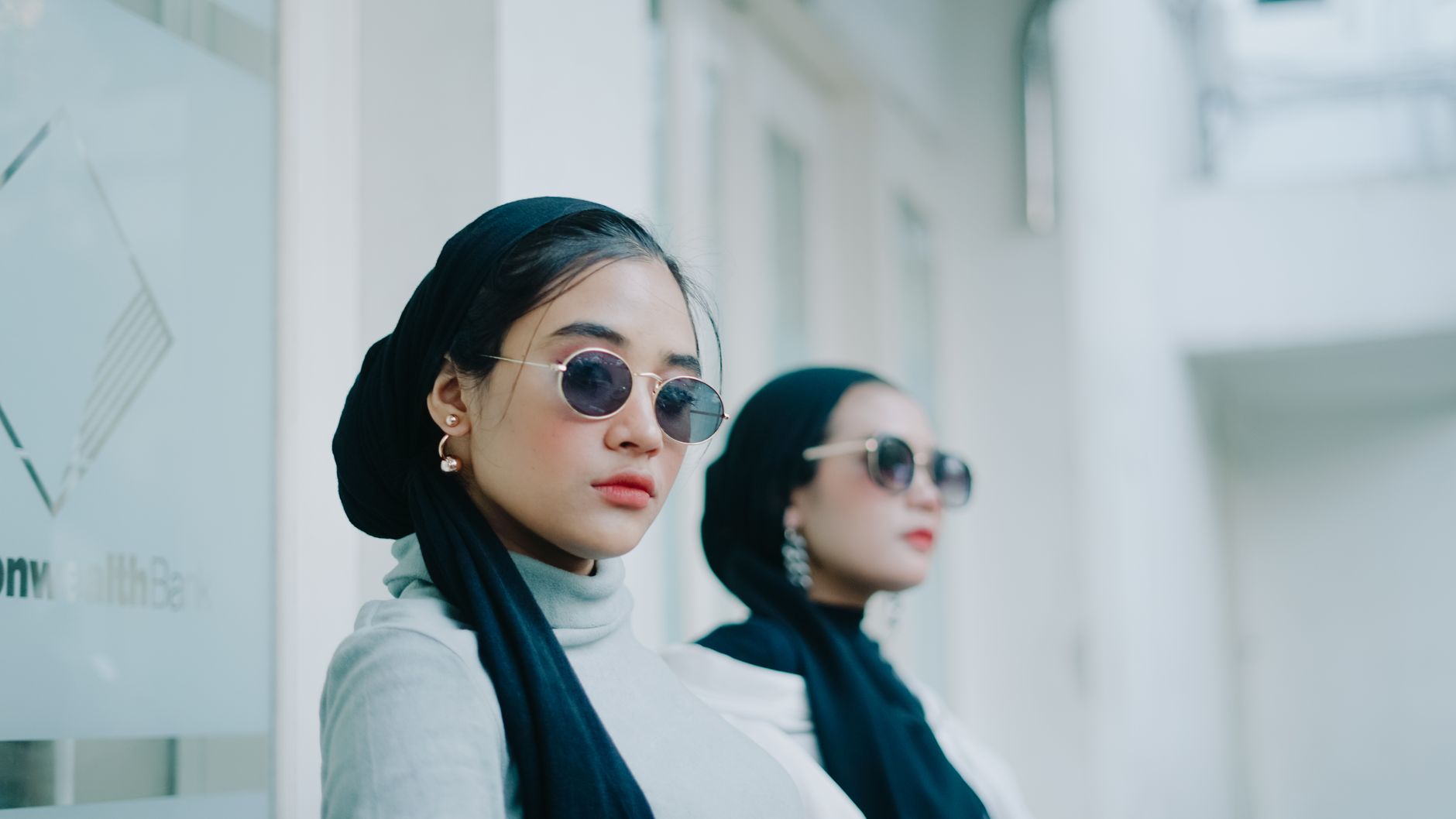
Tying a scarf on your head is a versatile styling technique that can enhance your outfit while adding a pop of color, texture, or pattern. This method is perfect not only for shielding your hair from bad weather but also for creating a chic statement look. In this article, we will explore various ways to tie a scarf on your head, provide outfit inspirations, and share tips on selecting the right scarves for different occasions.
Whether you’re dressing casually for a day out or looking to level up your formal attire, this guide will make the art of head-scarf styling approachable and fun.
How do you tie a scarf on your head?
Tying a scarf on your head can be accomplished in several ways, each offering a unique look. Here are a few simple techniques that will let you experiment and find a style that suits you best:
Basic Head Wrap Style
The basic head wrap is a timeless option that works well for various occasions, from casual outings to more dressed-up environments. Here’s how to achieve this look:
- Choose a scarf that is at least 60 inches long and 20 inches wide. This will provide ample fabric to work with.
- Fold the scarf in half lengthwise to create a long, narrow band.
- Place the center of the folded scarf against your forehead, letting the ends hang down behind your head.
- Take the two ends and pull them up and around to the back of your head. Tie them into a knot, making sure to keep the scarf snug but not too tight.
- Adjust the front of the scarf to ensure it fits securely on your forehead.
For a stylish variation, you can tuck the ends of the scarf into the back or let them drape down over your shoulders.
Cowboy Knot Style
This playful style adds a touch of Western flair to your look and is perfect for festivals and casual outings. Here’s how to accomplish the cowboy knot:
- Choose a scarf that is square-shaped around 36 inches on each side.
- Start by folding the scarf diagonally to form a triangle.
- Place the triangle against your forehead, with the point facing down toward your neck.
- Wrap the two side ends around to the back of your head and tie them in a knot, ensuring the point remains centered at your forehead.
- Tuck in any loose fabric or untuck it for a more relaxed vibe.
Turban Style
The turban style scarf is an elegant and sophisticated choice suitable for various occasions, including formal settings. Here’s how to create a turban look:
- Select a long, rectangular scarf made of a soft, drapey fabric.
- Fold the scarf in half lengthwise.
- Wrap it around your head, with the folded edge resting against your forehead and the ends draping down behind your ears.
- Cross the ends at the back of your head and bring them back to the front.
- Twist the front ends and wrap them around each other, then tuck the ends into the turban or secure them with a bobby pin.
This style can be customized further by adding decorative brooches or clip-on flowers for a sophisticated touch.
Summer Scarf Bun Style
The summer scarf bun is a breezy, carefree option ideal for warm weather. Follow these steps to tie your scarf bun:
- Take a lightweight, brightly colored scarf (a silk scarf can also work here).
- Gather your hair into a high ponytail and secure it with a hair tie.
- Wrap the scarf around the base of the ponytail to create a decorative hair tie, leaving the scarf’s ends hanging down.
- Bun up your hair by twisting the ponytail around itself, securing it with another hair tie or pins.
- Finally, tie the ends of the scarf over the bun for a polished look.
Choosing the Right Scarves for Your Style
While the way you tie your scarf can significantly impact your look, the choice of scarf also plays an essential role. Here are some tips for selecting scarves:
- Size: Depending on your preferred style, choose a scarf that is appropriate in size. Longer scarves work well for wraps and knots, while smaller or square scarves are ideal for turbans and headbands.
- Fabric: Lightweight fabrics such as cotton, silk, or chiffon are great for warmer weather, whereas thicker materials such as wool or knit are better suited for colder months.
- Color and Pattern: Consider your outfit when choosing a scarf. A solid colored scarf can provide a chic accent, while a patterned scarf can add visual interest to a plain ensemble.
- Seasonal Considerations: Choose scarves that align with seasonal colors and styles. For example, floral prints can work well in spring and summer, while jewel tones are perfect for fall and winter.
Outfit Ideas to Complement Your Scarf
Your choice of scarf style can elevate your overall look, allowing for unique outfit combinations. Here are some outfit inspirations to pair with your scarf:
Casual Look
For a relaxed day out, you can create a laid-back yet stylish ensemble:
- High-waisted denim shorts
- Crisp white t-shirt
- Flat sandals or canvas sneakers
- A colorful scarf tied in a head wrap style
Bohemian Vibes
Infuse some bohemian flair with flowing and comfortable pieces:
- Maxi dress in a floral print
- Denim jacket for layering
- Strappy wedge sandals
- A patterned scarf tied in a cowboy knot style
Smart Casual
For a smart yet casual look, perfect for brunch or a casual office environment:
- Tailored trousers in a neutral color
- Plain fitted blouse
- Block-heeled mules
- A silk scarf in a solid color wrapped in a turban style
Formal Attire
When dressing up for formal occasions, consider these combinations:
- Tailored jumpsuit or midi dress
- Pointed-toe heels
- Structured blazer
- A lightweight satin scarf tied elegantly at the back of your head
Layering and Proportion Adjustments
When tying scarves on your head, it’s important to consider the balance of your outfit. Here are some layering and proportion tips:
- Layering: If your scarf adds bulk, keep the rest of your outfit more fitted. For instance, pair a thick scarf tied in a bun with a fitted dress or skinny jeans.
- Proportions: When wearing oversized clothing, choose a lighter scarf to avoid looking overwhelmed. Conversely, when wearing something fitted, a bulkier scarf can add dimension.
Caring for Your Scarves
Proper care ensures that your scarves remain in good condition for longer. The care required can vary depending on the fabric:
- Cotton: Machine-wash on a gentle cycle and tumble dry on low or hang to dry.
- Silk: Hand-wash in cold water with a mild detergent and lay flat to dry. Consider using a silk-specific cleaner for stains.
- Wool: Dry clean or hand wash, taking care to lay flat to dry to maintain shape.
- Chiffon: Hand-wash or machine-wash in a mesh bag on a gentle cycle. Avoid wringing out; instead, lay flat to dry.
Always refer to the garment’s care label for specific instructions to maintain the longevity of your scarves.
Accessories That Pair Well with Headscarves
Enhancing your headscarf outfit with the right accessories can elevate your style. Here are some great accessory matches:
- Statement Earrings: Bold earrings can contrast beautifully with a simple scarf, drawing attention to your face.
- Sunglasses: Oversized sunglasses provide a chic and glamorous feel and are perfect for sunny days.
- Layered Necklaces: Necklaces can add subtle detail when wearing a scarf that leaves the neck area exposed.
- Wide-brimmed Hat: A hat can complement your scarf look and help create a cohesive style.
Seasonal Styling with Scarves
The way you tie and wear scarves can change dramatically with the seasons. Here’s how to adapt your scarf looks accordingly:
Spring/Summer
- Opt for lightweight materials like cotton or silk for breathability.
- Choose bright colors or floral patterns to capture the essence of the season.
Fall/Winter
- Select heavier fabrics like wool or knit for warmth without sacrificing style.
- Stick to rich, earthy tones or bold jewel colors to embrace fall and winter aesthetics.
Common Styling Challenges and Solutions
Many people face challenges when learning how to tie a scarf on their head. Here are common issues encountered along with solutions:
- Scarf Slipping: If your scarf keeps sliding off, make sure to tie it securely. A rubber band or hair tie can help keep it snug against your head.
- Overwhelming Patterns: If a scarf seems too bold or busy, balance it with minimalistic clothing or neutrals to create harmony.
- Hair Frizz: Prevent frizz by applying a leave-in conditioner or wearing a silk scarf that is gentler on your hair.
Experimenting with your scarf tying techniques can lead to new styling discoveries, so don’t be afraid to try multiple styles and combinations until you find what works for you.
Tying a scarf on your head is more than just a trendy accessory. It’s about expressing your personal style, feeling empowered, and making a statement. By exploring various styles from the basic head wrap to complex turban looks, and pairing them with thoughtful outfit choices, you can easily incorporate this versatile accessory into your wardrobe.
Now that you have the knowledge and inspiration to tie a scarf on your head, try it out with your wardrobe and see how it transforms your outfits. Whether you keep it simple or go for something bold, the right scarf can elevate any look.
For more styling ideas and techniques, check out our guides on how to wear a scarf and how to wear a silk scarf for more inspiration!