
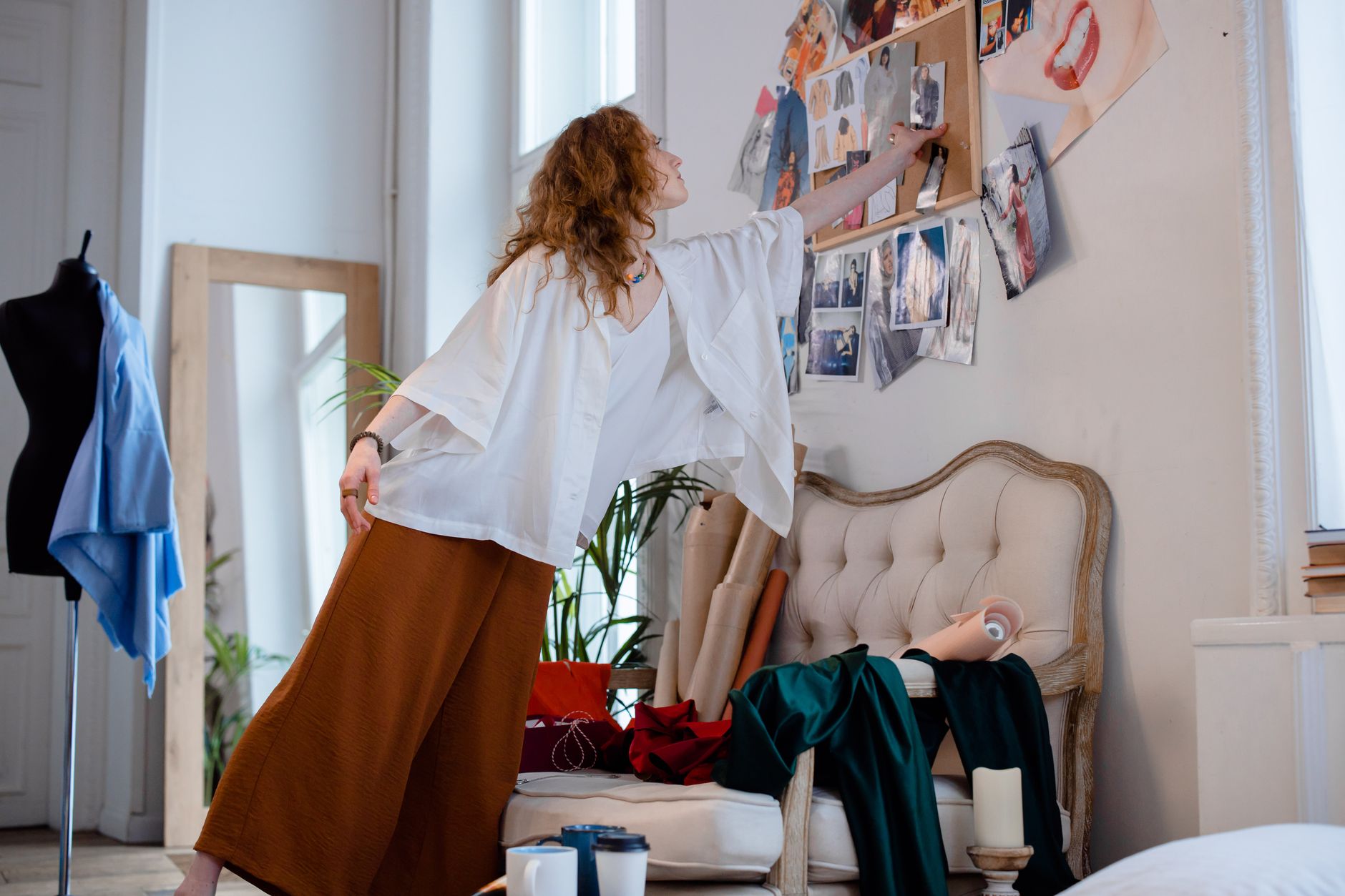
Fashion design is a vibrant and multifaceted industry that appeals to many, from aspiring designers to fashion enthusiasts. Understanding potential earnings in this field is crucial, whether you’re contemplating a career in fashion or simply curious about the industry’s dynamics. Let’s delve into how much fashion designers make across various sectors and explore the factors influencing their incomes.
Fashion designers’ salaries can vary significantly based on experience, education, location, and the specific niche within the fashion industry. By examining this information, you can gain a clearer perspective on the financial landscape of an exciting career like fashion design.
How Much Do Fashion Designers Make?
The salary of a fashion designer can range widely, from entry-level positions to those with many years of experience. On average, fashion designers in the United States earn between $40,000 to $100,000 annually. However, it’s essential to consider various factors that can influence these figures.
Factors Affecting Fashion Designer Salaries
1. Experience Level
Entry-level designers can expect to earn less than their experienced counterparts. Here’s a general breakdown:
- Entry-Level: $30,000 – $50,000
- Mid-Level (3-5 years experience): $50,000 – $80,000
- Highly Experienced (5+ years): $80,000 – $120,000+
2. Location
The cost of living in the area where a designer works also plays a significant role in salary. For instance:
- New York City: Typically offers higher salaries due to the concentration of fashion firms.
- Los Angeles: Known for its strong presence in the entertainment industry, which influences fashion trends.
- Smaller Markets: Fashion designers in smaller cities or rural areas may earn less due to lower demand.
3. Type of Employer
The employer type significantly impacts pay scale:
- Large Fashion Houses: Often provide higher salaries and additional benefits due to their resource availability.
- Small Boutiques: May offer lower salaries but potentially allow for greater creative freedom.
- Freelance Designers: Earnings can vary widely depending on the number and size of contracts.
4. Industry Niche
Certain niches within fashion can be more lucrative than others:
- Haute Couture: Higher potential earnings, often at major fashion houses.
- Ready-to-Wear: More accessible, with moderate earnings depending on brand recognition.
- Activewear: A rapidly growing niche, with substantial market demand.
Understanding Fashion Designer Job Roles
Different roles within fashion design can also have varying salaries. Here is a quick overview of some common job titles and their approximate earnings:
- Fashion Designer: $40,000 – $100,000
- Technical Designer: $45,000 – $85,000
- Costume Designer: $50,000 – $80,000
- Fashion Merchandiser: $40,000 – $90,000
- Fashion Illustrator: $30,000 – $70,000
Freelancing vs. Working for a Fashion House
Many aspiring designers consider freelancing as an alternative career path. While freelancing may offer more flexibility and creative freedom, it can be less stable financially than working for an established fashion house.
Freelance designers often charge per project, and their earnings can significantly vary based on experience, client base, and the industry’s demand for their expertise. Some may earn $20,000 in a year, while others could make six figures when working with prominent brands or high-profile clients.
Building a Sustainable Income as a Fashion Designer
Fashion is not just about creativity; it’s also a business. Hence, establishing a sustainable income requires strategic planning. Here are some tips for fashion designers:
- Diversify Skill Set: Immerse yourself in various aspects of fashion, such as marketing, merchandising, and textile design.
- Networking: Attend industry events and seminars to build connections that can lead to collaborations and better job opportunities.
- Brand Development: Consider creating a personal brand or label, which allows control over pricing and income.
- Utilize Social Media: Platforms like Instagram and Pinterest can serve as powerful marketing tools.
Fashion Designer Education and Training
Education can also influence a designer’s earning potential. Here are some common pathways:
- Bachelor’s Degree: Many fashion designers hold degrees in fashion design or related fields, which can increase job competitiveness.
- Internships: Gaining hands-on experience through internships can lead to better job offers and networking opportunities.
- Workshops and Certifications: Specialized programs can enhance skills and improve marketability. Many designers further their knowledge through workshops in specific areas, such as pattern making or fashion marketing.
Working Conditions and Job Expectations
Designers often have demanding schedules that can include long hours, tight deadlines, and high-pressure environments. Here’s what to expect in this field:
- Deadlines: Designers often work on multiple projects simultaneously, requiring time management and organizational skills.
- Collaboration: Working with teams, such as marketing and production, is common to ensure cohesive product development.
- Travel: Some designers may need to travel for fashion shows, fabric sourcing, and networking events.
The Future of Fashion Design Careers
As the fashion industry evolves, new opportunities and challenges arise. Sustainability, technology, and consumer trends increasingly influence design practices. Designers willing to adapt to these changes may find themselves in demand.
The growth of e-commerce, for instance, has shifted how designers approach retail and distribution, creating more varied job opportunities across the industry. Trends toward sustainable and ethical fashion are also growing, paving the way for designers focused on environmentally friendly practices.
How to Prepare for a Career in Fashion Design
If you’re considering a career in fashion design, here are essential steps to take:
- Research Educational Institutions: Look for accredited fashion design programs that offer practical experience and strong industry connections.
- Build a Portfolio: Start developing a portfolio showcasing your designs, creative process, and final products.
- Gain Experience: Seek internships or volunteer opportunities to gain practical experience and insights into the day-to-day operations of fashion teams.
- Stay Informed: Keep up-to-date with industry trends, materials, and technologies to ensure your skills remain relevant.
- Network Actively: Connect with industry professionals to gain mentorship and insights into the business.
Conclusion
Understanding how much fashion designers make is essential for anyone interested in pursuing a career in the industry. Factors such as experience, location, and job role all play critical roles in determining salary levels. By continuously improving your skills and remaining adaptable to industry trends, you can enhance your earning potential and establish a successful career in fashion design.
Ready to explore your style options further? Consider checking out our guides on how to become a fashion designer and learn more about couture fashion. Each of these resources can provide further insights into the dynamic world of fashion.