
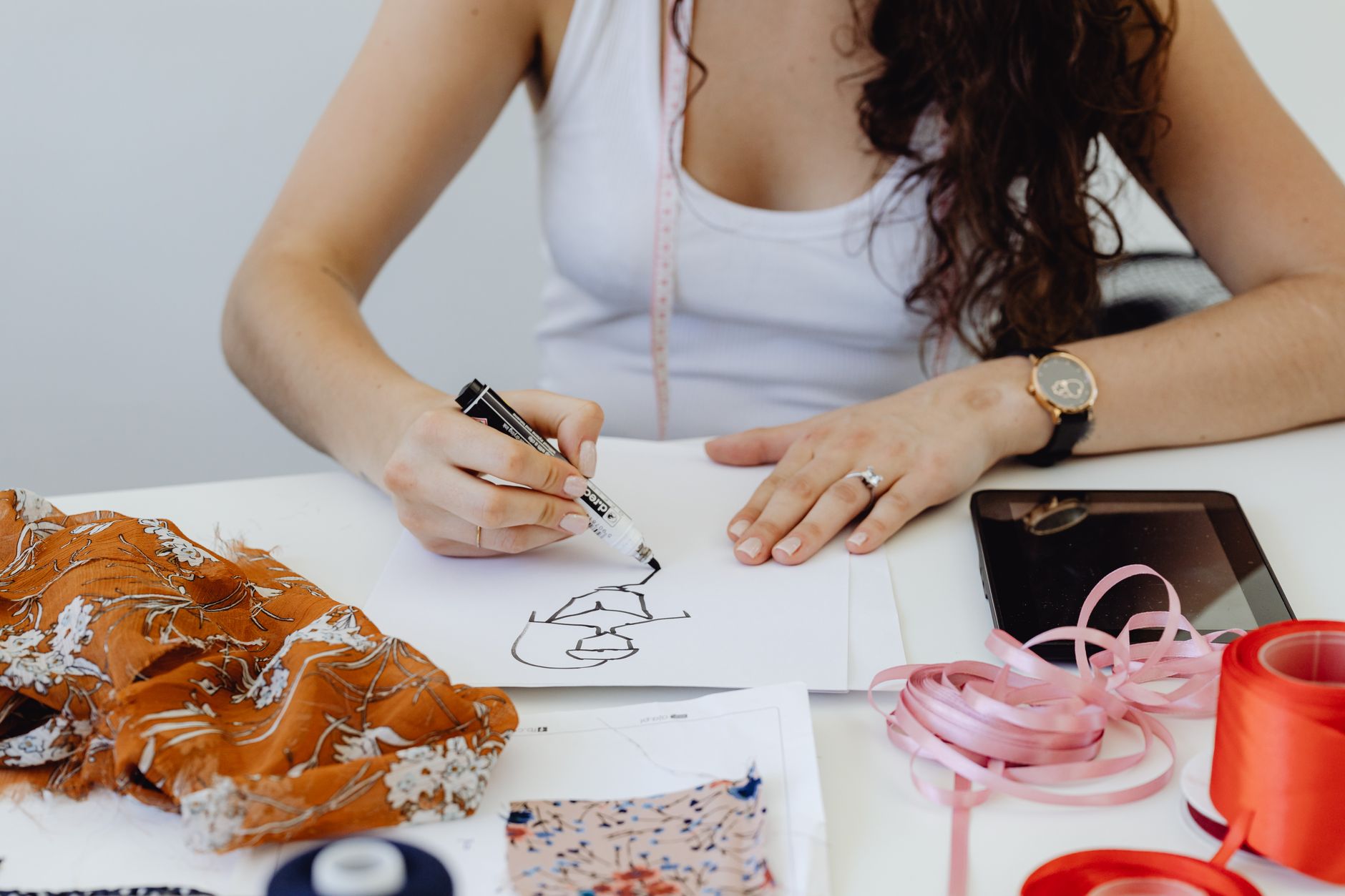
Becoming a fashion designer is a dream for many, blending creativity with a keen understanding of trends, fabrics, and consumer needs. This article will guide you through the essential steps to embark on this exciting career path, providing practical advice and insights to help you develop your unique style and bring your fashion ideas to life.
Whether you are inspired by haute couture, streetwear, or sustainable fashion, understanding how to navigate the industry is key. From education and experience to building your portfolio, each step is vital in establishing yourself as a fashion designer.
How to Become a Fashion Designer?
To become a fashion designer, you should follow several essential steps: educate yourself on fashion design concepts, gain hands-on experience, develop a strong portfolio, network effectively, and stay updated on industry trends. A combination of creativity, technical skills, and an understanding of the market will help you succeed in this dynamic field.
Understanding the Basics of Fashion Design
Before you embark on your fashion design journey, it’s crucial to understand the basics of the industry. Fashion design encompasses more than just creating clothing; it involves studying trends, understanding consumer behavior, and creating designs that merge art with functionality.
- Fashion Drawing: Practice sketching your ideas and working on your illustration skills.
- Textiles and Fabrics: Familiarize yourself with different materials and their properties to inform your designs.
- Construction Techniques: Learn how garments are constructed, which will help you create designs that are not only stylish but also wearable.
Educational Pathways
Many successful fashion designers start with a formal education in fashion design or a related field. Here are some options to consider:
Fashion Design Degree Programs
A degree in fashion design from a reputable institution can provide you with the foundational knowledge needed. Look for programs that cover:
- Design Principles
- Pattern Making
- Sewing Techniques
- Fashion Illustration
- Textile Science
Workshops and Short Courses
If a degree isn’t feasible, consider workshops or short courses. These can be invaluable for acquiring specific skills, such as sewing or pattern drafting, without the time commitment of a full degree.
Self-Directed Learning
Teaching yourself through online resources, books, and tutorials is also an effective way to build your knowledge base. Explore platforms like Skillshare and YouTube for tutorials on key fashion design skills.
Gaining Practical Experience
Hands-on experience is essential in the fashion industry. Consider the following avenues to gain insight and build your skills:
Internships
Internships provide a realistic view of the fashion world and help you build connections. Seek internships at fashion houses, boutiques, or design studios. Responsibilities may include assisting with design projects, managing inventory, or participating in fittings.
Freelance Work
As you develop your skills, consider freelance opportunities. Working with local boutiques or fashion events can build your portfolio and let you experiment with various styles.
Volunteer at Fashion Events
Offering your skills to fashion shows, trade shows, or charity events can provide excellent exposure and networking opportunities. These experiences can also boost your confidence and help refine your style.
Building a Portfolio
Your portfolio is arguably one of the most critical tools for a budding fashion designer. It showcases your best work and illustrates your design philosophy. Here’s how to create an effective portfolio:
Selecting Work to Include
Your portfolio should consist of a variety of projects that show your range. Consider including:
- Original sketches and illustrations
- Completed garments
- Technical drawings
- Fabric swatches
- Fashion lookbooks or editorial shoots
Presentation
How you present your portfolio matters. Ensure it is well-organized, visually appealing, and easy to navigate. You can either create a physical portfolio or a digital one, depending on your preference and the industry norms.
Networking and Industry Connections
Networking is key in the fashion industry. Building relationships can lead to job opportunities, collaborations, and mentorship. Here’s how to expand your network:
Attend Fashion Events
Participate in fashion weeks, trade shows, and workshops. These events allow you to meet influencers, designers, and potential employers in your field.
Join Professional Organizations
Organizations such as the Fashion Designers of America (CFDA) offer resources, networking opportunities, and industry recognition. Becoming a member can also open doors to exclusive events.
Utilize Social Media
Platforms like Instagram and LinkedIn are powerful tools for fashion designers. Share your work, connect with industry professionals, and engage with your audience to build your personal brand.
Staying Updated on Fashion Trends
The fashion industry is fast-paced and ever-evolving. To stay relevant, immerse yourself in trends and developments:
Follow Fashion Blogs and Magazines
Regularly read fashion publications, both print and online, to gain insights into emerging trends and established styles.
Study Iconic Designers
Analyze the work of renowned designers to understand different styles and techniques. Recognizing what makes their designs successful can inform your own approach.
Participate in Online Communities
Join forums or social media groups focused on fashion. Engaging with others can provide fresh perspectives and inspiration.
Finding Your Unique Style
As you navigate your path in fashion design, developing a signature style is crucial. Here are ways to discover and refine your aesthetic:
Experimentation
Don’t be afraid to try different styles, colors, and fabrics. Experimenting will help you define your style by understanding what resonates with you and your audience.
Seek Feedback
Share your designs with friends, family, or mentors to gain constructive feedback. Understanding how others perceive your work can help you refine your style and improve your designs.
Stay Authentic
Your unique perspective is your greatest asset. Remain true to your vision and values, as this authenticity will attract like-minded clients and opportunities.
Understanding Fabric and Garment Care
Knowing about fabrics and garment care is essential for creating quality pieces. Here are some considerations:
Fabrics
Different fabrics have unique properties that influence design and function. Consider:
- Cotton: Versatile and breathable, ideal for casual wear.
- Silk: Luxurious and soft, great for formal wear but requires special care.
- Wool: Warm and structured, perfect for outerwear and cold climates.
Garment Care
Educate your clients about fabric care to ensure longevity. Be clear about washing, drying, and storage practices, particularly for delicate materials.
Adapting to Different Markets
Fashion design can vary significantly based on target markets. Understanding the demographics and preferences of your audience is essential for success. Consider:
Demographics and Trends
Recognize the specific trends and needs of different markets. For example, the youthful streetwear market may require different approaches than formal attire for professionals.
Seasonal Styles
Stay aware of seasonal changes that affect design, such as fabrics and silhouettes appropriate for summer or winter collections. Seasonal trends can influence sales and help you plan your collections effectively.
Marketing Your Designs
Marketing plays a vital role in building your brand. Here are effective strategies to promote your work:
Developing a Brand Identity
Create a cohesive brand message that reflects your style and values. This includes your logo, color palette, and the overall aesthetic of your marketing materials.
Use Online Platforms
Websites and e-commerce platforms like Etsy or Shopify can help promote and sell your designs. Utilize SEO strategies to increase visibility and attract customers.
Collaborations
Consider collaborating with other designers or brands to expand your reach and combine different aesthetics. This can also create buzz and draw in new audiences.
Conclusion
Becoming a fashion designer is a rewarding journey that requires dedication, creativity, and a willingness to learn. By following these steps and consistently honing your skills, you can carve out your niche in the fashion world. Start by exploring your style, practicing your craft, and building connections in the industry.
Ready to put these tips into action? Consider experimenting with a unique outfit combination or planning a wardrobe edit to discover what styles resonate with you. Explore more outfit ideas and styling tips to enhance your wardrobe!