
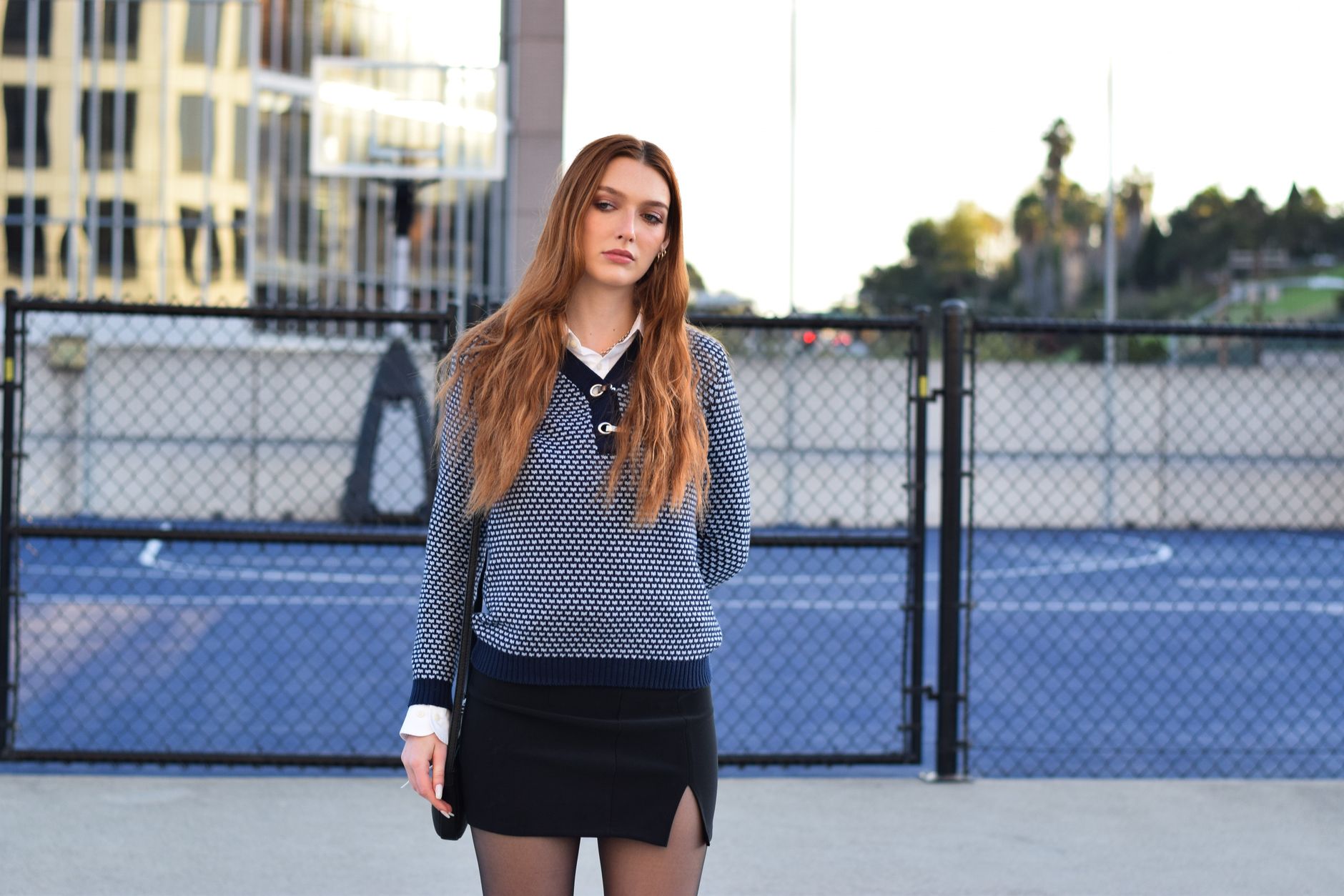
When preparing for a court appearance, choosing the right outfit is essential to convey respect and professionalism. Your wardrobe choices not only reflect your personal style but also impact how you are perceived in a legal setting. The goal is to blend comfort and confidence while adhering to the expectations of a formal environment.
This article will provide practical advice on what to wear to court, focusing on workwear outfits and style tips that cater to different preferences and dress codes. By exploring outfit ideas, selecting the right fabrics, and understanding the nuances of courtroom attire, you can make informed decisions for your next court appearance.
What Should I Wear to Court?
When attending court, it’s recommended to wear outfits that are professional, modest, and polished. Lean towards structured garments such as suits, dress shirts, blouses, and smart shoes. Neutral colors typically work best, but you can add subtle shades and accessories to express your personal style.
Understanding Courtroom Dress Codes
Courtroom dress codes can vary depending on the type of court and your specific needs. Understanding these codes is crucial in ensuring you present yourself appropriately. Here are the main categories:
- Formal Attire: Most superior and district courts require business formal attire. This includes suits for both men and women, dress shoes, and conservative accessories.
- Business Casual: Some smaller courts or hearings may allow business casual attire, such as dress slacks or skirts combined with polo shirts or smart blouses.
- Casual Attire: While it’s rarely appropriate for court, some informal settings might accept smart-casual outfits. However, it’s best to avoid any casual wear like jeans, graphic T-shirts, or workout attire.
Outfit Ideas for Court Appearances
Creating a standout court outfit doesn’t have to be complicated. Here are some outfit combinations for different styles and preferences:
For Women
- Classic Suit: A tailored blazer with matching trousers or a pencil skirt. Pair this with a simple white blouse and classic pumps. Opt for muted shades like navy, black, or charcoal gray.
- Chic Dress: A knee-length sheath dress in a solid color, layered with a fitted blazer. Complete the look with closed-toe heels and minimal jewelry.
- Dressy Blouse & Trousers: Choose a structured blouse in a neutral color paired with tailored dress pants. Add a cardigan for layering in cooler terms, and finish off with loafers or ballet flats.
For Men
- Two-Piece Suit: A fitted suit in dark tones like navy or charcoal, paired with a white or light-colored dress shirt. Add a silk tie for a polished finish and wear leather dress shoes.
- Smart Shirt & Chinos: A long-sleeved button-down shirt tucked into beige or gray chinos. This look can be complemented with a blazer and loafers.
- Blazer Look: A tailored blazer over a dress shirt, paired with smart slacks. This is a versatile option that remains formal without feeling overly stiff.
Exploring Wardrobe Essentials for Court
Building a wardrobe that caters to courtroom appearances requires thoughtful selection of key pieces. Here are essential items to consider for both men and women:
- Blazers: Invest in a well-fitted blazer that can be worn over dresses or blouses. A blazer adds a layer of professionalism to any outfit.
- Dress Shirts: Opt for several basic dress shirts in different colors. Classic white, light blue, and soft pink are versatile choices.
- Pants and Skirts: Tailored trousers and pencil skirts should be staples in your wardrobe, as they can be paired with various tops.
- Dresses: A knee-length or below-the-knee dress in solid colors or subtle prints is ideal for women, especially when layered with a blazer.
- Shoes: Choose closed-toe shoes that are comfortable yet classy. For women, this can mean pumps or elegant flats; for men, classic leather shoes or loafers suffice.
Color Coordination for Court Attire
Colors play a significant role in how you are perceived in a courtroom setting. Here are some practical tips for color coordination:
- Neutral Colors: Where possible, opt for neutral shades such as black, navy, gray, or beige. These hues are perceived as more formal and professional.
- Accent Colors: Use soft shades like pastel blues, gentle greens, or muted reds to add a bit of character while keeping it subdued.
- Avoid Bright Colors: Loud or overly bright colors can come off as distracting. Stick to low-key tones that convey respect and seriousness.
Layering for Comfort and Style
Layering is essential, especially if you’re facing varying temperatures in courtrooms. Here are layering tips to help you stay comfortable:
- Lightweight Fabrics: Choose breathable fabrics like cotton or lightweight wool for blazers and shirts to keep cool yet professional.
- Cardigans & Vests: If you find blazers too formal, a smart cardigan or a tailored vest can be an alternative for layering without compromising style.
- Outerwear: If you must wear a coat, opt for a dressy trench or an overcoat that complements your outfit while keeping you warm during colder months.
Seasonal Dressing Tips for Court
Seasonal changes often influence court attire. Here’s how to adapt your wardrobe for different climates:
Summer
- Select lightweight fabrics like linen or light cotton that allow for breathability.
- Choose light colors to reflect heat while keeping your outfit professional.
- A well-tailored sleeveless dress or a short-sleeve shirt can suffice, paired with a blazer for added sophistication.
Winter
- Layer under your blazers with turtlenecks or thermal shirts for added warmth.
- Opt for darker colors like navy, burgundy, or forest green to evoke a sense of comfort and professionalism.
- Sturdy and polished boots can be an asset if you need to wear thicker footwear.
Spring & Fall
- In spring, favor light pastels and floral patterns while ensuring they’re not overly loud.
- In fall, earthy tones like rust, mustard, and olive work well and can be easily layered.
- Both seasons benefit from adding a tailored blazer and layering items as needed.
Choosing the Right Footwear
The right shoes are crucial for any courtroom appearance. Here are pointers for both men’s and women’s footwear:
- Professional Choices: Closed-toe shoes are typically favored for their professional appearance. Opt for leather or faux leather for durability.
- Comfort is Key: Choose footwear that allows you to walk and stand comfortably, especially if you have a longer day in court.
- Heel Height: For women, moderate heels are preferred; high heels may not provide the comfort needed for court settings.
Accessorizing Appropriately
Accessories can elevate your outfit but should be used judiciously. Here are tips for accessorizing when heading to court:
- Minimal Jewelry: Stick to simple pieces such as stud earrings, a classic watch, or a delicate necklace to keep things understated.
- Functional Bags: Opt for structured handbags or briefcases that hold your essentials while appearing sophisticated.
- Subtle Scarves: A silk scarf can add a touch of elegance to an outfit without being overpowering.
Understanding Fabrics and Garment Care
The fabric of your attire impacts both comfort and presentation. Here’s a brief look at suitable fabrics for courtroom wear:
- Wool: Suitable for suits and dress pants, wool is durable and maintains its shape.
- Cotton: Breathable and comfortable, cotton dress shirts and blouses work well for various seasons.
- Blends: Fabrics with a blend of polyester or spandex can offer stretch while retaining a polished appearance.
Proper garment care is equally essential. Here are some maintenance tips:
- Always follow the care labels on garments for specific washing and drying instructions.
- For tailored pieces like suits, consider taking them to a dry cleaner to maintain their shape.
- For items needing ironing, invest in a good iron and consider steaming garments instead of traditional ironing for delicate fabrics.
Common Styling Difficulties
Styling for court can present specific challenges. Here are some common issues and their solutions:
- Finding the Right Fit: Tailoring may be necessary for garments that don’t fit well. Seeking a tailor can make a standard outfit look custom-made.
- Picking Appropriate Lengths: Ensure skirts and dresses fall at or below the knee. If unsure, lean towards tailored pants that provide a secure fit.
- Managing Comfort: Consider wearing clothing that allows for easy movement; restrictively tight garments can be distracting.
Expressing Personal Style in Court Attire
While courtroom attire should lean toward formal, there are ways to infuse your personal style without overstepping boundaries. Here are tips to express yourself:
- Choice of Color: Use your favorite hues in accessories or select unique patterns in blouses that remain professional.
- Statement Pieces: A distinctive yet understated handbag or tailored blazer can add flair while staying within appropriate guidelines.
- Creative Layering: Experiment with layering different textures or styles, such as a patterned blouse under a solid blazer.
Final Thoughts
Choosing what to wear to court plays a critical role in how you present yourself and the impression you leave. By carefully selecting outfit combinations, considering comfort, and adhering to dress codes, you can approach your court appearance with confidence. Putting together polished, professional outfits will serve you well in the courtroom.
Begin by examining your wardrobe—see what essentials you already own and consider adding a few key pieces that enhance your ability to dress for diverse occasions. This foundation will empower your style choices in critical moments like a court appearance.
If you’re looking for even more outfit inspiration, explore our guides on what to wear to court and what to wear to a court hearing for females. These resources can help you feel fashionable and confident in a variety of situations.