
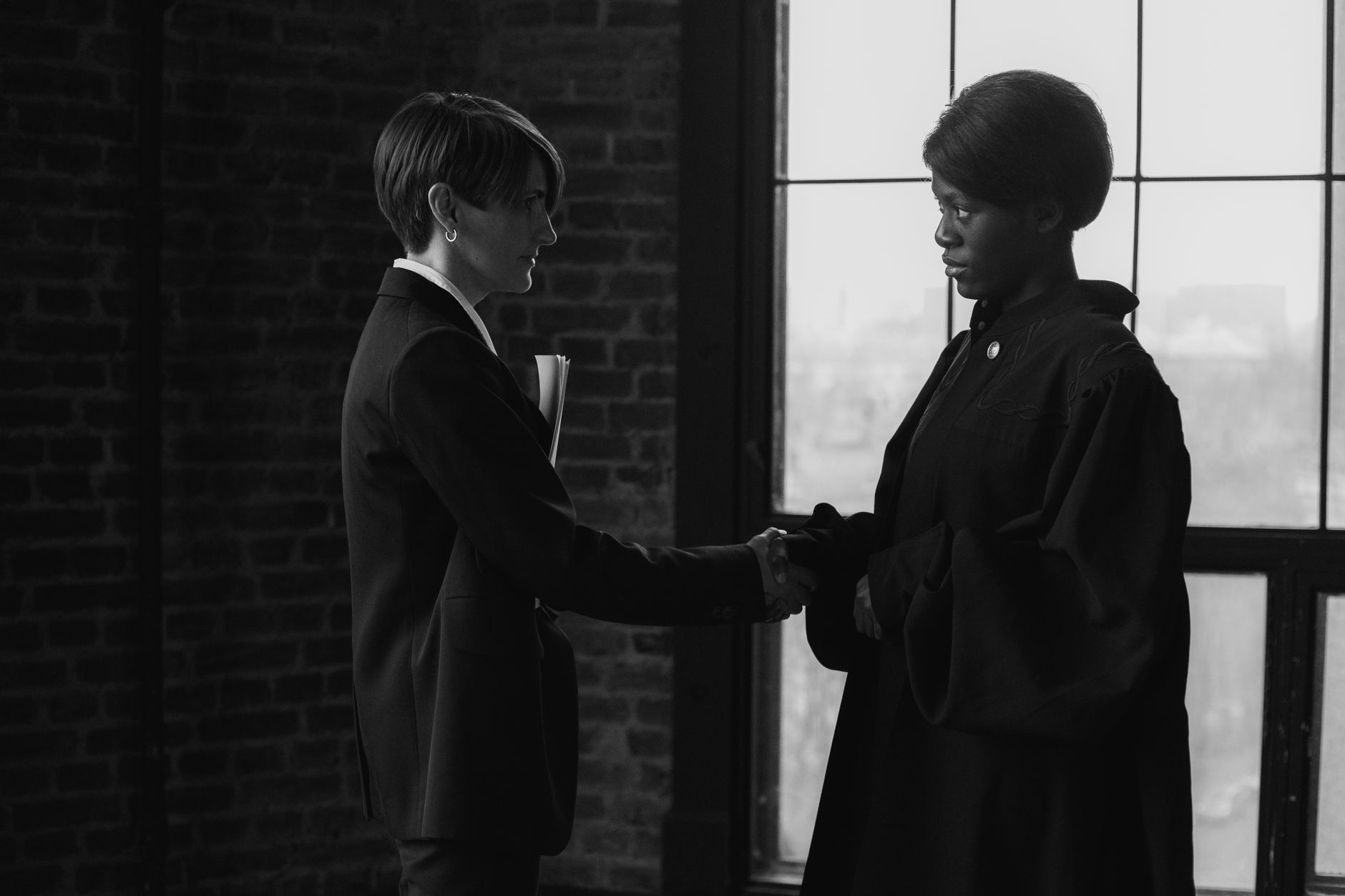
Attending a court hearing can be a daunting experience, especially when it comes to figuring out what to wear. The attire you choose for this important occasion can reflect your seriousness and respect for the judicial process. For women, striking the right balance between professionalism and personal style is essential, and this guide will help you navigate that landscape.
From understanding the proper dress code to selecting suitable outfits, this guide offers practical advice tailored for women attending court. Let’s dive into options that will allow you to feel confident while looking appropriate.
What to Wear to Court Hearing Female?
The ideal attire for a court hearing is professional, clean, and conservative. Opt for tailored clothing that presents a polished image. Key elements include structured dresses, blazers, or a tailored blouse paired with dress pants or a pencil skirt. Neutral colors are favored, though subtle patterns can add personality without being distracting.
Understanding the Dress Code
Before choosing an outfit, it’s essential to understand the typical dress codes seen in court settings. While this can vary regionally or by courtroom, adhering to a generally accepted dress code communicates respect. Here’s a breakdown:
- Business Professional: This is the safest option, combining tailored suits, blouses, and formal shoes.
- Business Casual: While still professional, this allows for a bit more comfort with options like smart blouses paired with slacks or knee-length skirts.
- Traditional Attire: In certain courts, especially in family or probate cases, traditional or cultural attire may be acceptable but confirm ahead of time.
Outfit Ideas for Court Hearings
To make it easier to visualize, here are some outfit combinations that strike the right tone for a court hearing:
Classic Suit Ensemble
- Tailored Blazer: Choose a structured blazer in black or navy.
- Button-Up Shirt: A white or light-colored blouse, avoiding low-cut or sheer fabrics.
- Pencil Skirt or Tailored Pants: Opt for knee-length skirts or tailored trousers that fit well.
- Footwear: Closed-toe pumps in a neutral color, ensuring they are comfortable enough for standing or walking.
A Sophisticated Dress Option
- Structured Dress: A sheath or wrap dress in a solid color or subtle pattern, ideally knee-length.
- Blazer: Layering a blazer adds professionalism to your look.
- Footwear: Classic pumps or low-heeled shoes complement this outfit.
Mix and Match
- Smart Trousers: Pair dark slacks with a cream blouse.
- Layering Piece: A cardigan or structured jacket can add dimension to your look.
- Footwear: Ankle boots with a modest heel can be acceptable, given they are polished and simple.
Patterns and Colors
Choosing colors and patterns wisely enhances your overall appearance. Here’s what you need to consider:
- Solid Colors: Black, navy, gray, and beige are classic and convey authority.
- Pops of Color: If you are drawn to color, choose muted shades like deep red or evergreen to maintain a professional appearance.
- Patterns: Subtle pinstripes or checks are permissible, but avoid anything too loud that may distract from the proceedings.
Layering and Seasonal Dressing
Being aware of the season can also guide your outfit selection:
Warm Weather Attire
- Choose breathable fabrics like cotton or linen blends.
- Stick to short-sleeved or sleeveless blouses paired with a blazer to stay cool while looking professional.
- Opt for closed-toe shoes, but consider styles with ventilation to keep your feet comfortable.
Cool Weather Attire
- Choose heavier fabrics such as wool or thicker blends for warmth.
- A tailored blazer over a fitted turtleneck can create a smart, layered look.
- Consider knee-high boots or stylish loafers for footwear.
Mind Your Accessories
Accessories can either enhance or detract from your court outfit, so proceed with caution. Here are some guidelines:
- Jewelry: Keep it minimal. A pair of stud earrings and a delicate necklace or watch suffices.
- Bags: Opt for a structured tote or handbag that’s large enough for necessary documents but doesn’t appear overly casual.
- Belts: A simple belt can add polish to a dress or pants.
Footwear Matters
Your choice of shoes can affect both comfort and presentation. Consider the following:
- Closed-Toe Options: These are generally more appropriate for a court setting than open-toe shoes.
- Heel Height: Sticking to a moderate heel (around 1-3 inches) is best for comfort and stability.
- Material: Leather or good-quality faux leather works well, as these materials exude professionalism.
Fabric Considerations
The materials you choose should reflect your need for comfort, durability, and professionalism:
- Breathable Fabrics: Cotton, linen, or light blends can work in warmer climates, while winter months might require wool or heavier synthetics.
- Texture: Smooth, structured fabrics like twill, gabardine, or crepe elevate your outfit’s professionalism.
- Care: Ensure your clothes are clean, pressed, and free of any wrinkles or stains.
Grooming and Personal Care
Even the best outfit can be undermined by neglecting personal grooming. To present the best version of yourself at court, follow these tips:
- Hair: Aim for a neat hairstyle, whether it’s tied back in a bun, in soft waves, or in a professional cut.
- Makeup: Keep it natural and understated. Opt for a neutral palette that enhances rather than overshadows.
- Nails: Both manicured hands and minimalist nail polish are preferable; avoid overly flashy nail art.
Shopping Tips for Court Attire
When investing in your court wardrobe, consider the following:
- Quality Over Quantity: Choose fewer high-quality pieces that mix and match well, rather than filling your closet with items you may only wear once.
- Fit is Key: Ensure that clothes fit you well. Consider tailoring options for a more polished look.
- Budget-Friendly: Many retailers offer affordable options for professional attire. Look for sales, but prioritize quality where possible.
Alternative Options
For those who prefer a non-traditional approach, consider these alternatives:
Creative Professional Attire
- Chic jumpsuits have become a fashionable yet professional option.
- Smart, structured maxi dresses can also provide comfort while looking sophisticated.
Modest Fashion
- Flowy, long-sleeved blouses paired with tailored trousers offer modest elegance.
- Consider dresses that offer good coverage while still being form-fitted to present a professional image.
Choosing Comfort
Ultimately, your comfort level can influence your confidence. Make conscious choices to ensure you are comfortable:
- Test Outfits: Try on different combinations ahead of time to see what feels best.
- Wear-In Shoes: Prioritize footwear that you’ve broken in versus brand-new shoes that may pinch or cause blisters.
- Consider Seat Fabric: Depending on the nature of your case, you might spend extended periods sitting. Ensure your outfit allows for ease of movement.
Final Notes on Etiquette
Additional etiquette tips to remember as you prepare for your court hearing:
- Arrive early to get settled before your hearing, allowing ample time to make a good impression.
- Turn off your mobile phone or ensure it is on silent; a disturbance could create an unfavorable impression.
- Avoid overly distracting accessories or colors; the focus should remain on the proceedings.
Clothing plays a vital role in shaping perceptions, particularly in serious contexts like court hearings. By adhering to the dress code and choosing appropriate outfits, you can convey a sense of professionalism that supports your presence in court.
This guide equips you with the knowledge to navigate the often nuanced world of court attire. Remember to mix your personal style, respect the surrounding environment, and prioritize comfort for the best experience. Try recreating one of the suggested outfit combinations for your next court hearing and embrace the confidence that comes with being well-prepared.
For those wanting to explore more outfit ideas or styling tips, consider checking out our guides on what to wear to court for women and general court attire options.