
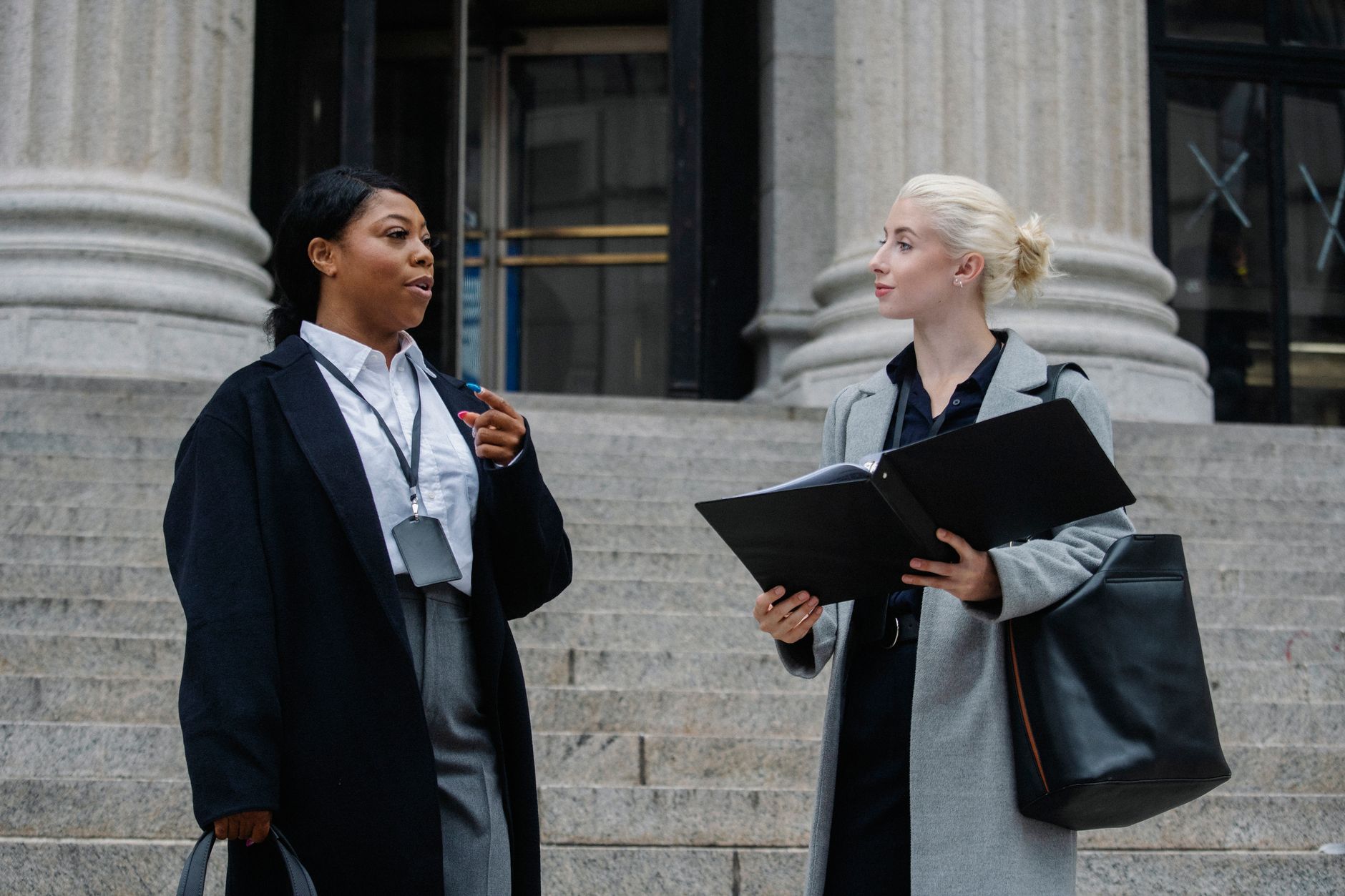
When preparing for a court appearance, the choice of clothing is crucial not only for comfort but also for making a respectful impression. The right outfit can convey professionalism, seriousness, and respect for the judicial process. This guide covers practical outfit ideas, styling tips, and dress code insights to help you look your best.
Court attire may vary based on the nature of the appearance, whether it’s for a trial, hearing, or even jury duty. Understanding different dress codes and selecting versatile pieces can help you feel confident and appropriate in any court setting.
What to Wear to Court?
The term “what to wear to court” encompasses a variety of outfit types and styles. The best choice combines professionalism, comfort, and personal expression. Here are some essential tips to guide you in selecting the perfect court attire.
Understanding Court Dress Codes
Before assembling your outfit, it’s important to be aware of the varying dress codes that can apply in a courtroom setting. Generally, court dress codes fall into three main categories: business formal, business casual, and casual attire. Here’s a deeper look at each:
Business Formal
- Characteristics: Often required for serious court appearances, such as trials.
- Suggested Attire: Suits are the go-to choice. Men should consider a tailored two-piece suit, dress shirt, and tie, while women might opt for a pantsuit or a conservative dress with a blazer.
Business Casual
- Characteristics: Generally acceptable for less formal hearings or arraignments.
- Suggested Attire: Men can wear dress pants with a button-up shirt, while women might choose slacks or a pencil skirt paired with a blouse.
Casual Attire
- Characteristics: Rarely accepted, usually only for informal court settings.
- Suggested Attire: If allowed, opt for clean, neat clothing—avoid shorts, tank tops, and overly casual items.
Outfit Ideas for Men
For men, choosing the right outfit for court depends on the required dress code. Here are some versatile outfit ideas catering to different levels of formality.
Business Formal Outfits
- Suit: A dark navy or charcoal suit with a well-fitted white dress shirt and a silk tie creates a polished look. Ensure the suit jacket fits well on your shoulders and has a tailored waist for a sharp silhouette.
- Shoes: Opt for black or brown leather dress shoes, ensuring they are polished. Oxfords or brogues are excellent choices.
- Accessories: Minimalist accessories such as a classic watch and cufflinks can add a personal touch without being distracting.
Business Casual Outfits
- Pants and Shirt: Pair tailored khakis with a crisp, button-down shirt. A sport coat can be added if you want a slightly dressier look.
- Shoes: Leather loafers work well for this ensemble, providing both comfort and style.
- Layering: If the weather is cool, a lightweight sweater under a blazer can enhance the outfit while maintaining a sharp appearance.
Outfit Ideas for Women
Women have a range of options when it comes to dressing for court. Here are some classic outfits that balance professionalism and comfort.
Business Formal Outfits
- Pantsuit: A well-fitted black or navy pantsuit paired with a silk blouse conveys authority. Ensure the pants are tailored appropriately for a flattering fit.
- Dress: A knee-length sheath dress with a blazer can also be an excellent option. Choose solid colors or subtle patterns, avoiding anything too flashy.
- Shoes: Closed-toe pumps or professional flats in neutral or darker shades complete the look while providing comfort.
Business Casual Outfits
- Skirt and Blouse: A tailored pencil skirt paired with a blouse strikes a balance between professionalism and approachability. Opt for muted colors or soft prints.
- Pants and Sweater: For a slightly more relaxed look, consider tailored trousers with a fitted sweater. Layering with a blazer adds to the professionalism.
- Accessories: Choose understated jewelry and a structured handbag to maintain a polished appearance.
Footwear Considerations
Footwear is a key element of your court outfit, combining comfort with style. Here are some tips for choosing the right shoes:
Men’s Footwear
- Dress shoes, such as Oxfords or loafers, should be polished and in good condition.
- Ensure the shoes fit well to avoid discomfort during long court sessions.
Women’s Footwear
- Closed-toe shoes are generally preferred. Consider heels that are not overly high to maintain comfort.
- Choose styles that provide support, especially if you’ll be on your feet or walking.
Accessorizing Wisely
Accessories should enhance your outfit without being distracting. Here’s how to choose accessories that complement your courtroom attire:
Men’s Accessories
- A classic wristwatch can project professionalism.
- A silk tie in solid colors can add sophistication without overwhelming your look.
Women’s Accessories
- Minimalist jewelry, such as stud earrings or a simple necklace, can add a touch of elegance.
- A structured handbag is ideal for holding essential documents while maintaining a polished look.
Fabric and Fit: Key Considerations
The choice of fabric and fit of your clothing plays a pivotal role in the overall appearance. Here are some considerations to keep in mind:
Fabric Choices
- Opt for fabrics that drape well and are breathable, such as cotton, wool, or polyester blends.
- Avoid overly casual materials like denim or jersey, as they may come off as disrespectful in court.
Fit and Proportion
- Ensure all pieces fit well—neither too loose nor too tight. Tailored clothing generally looks more polished.
- Pay attention to proportions; avoid oversized jackets or pants that can give a sloppy appearance.
Seasonal Dressing for Court
Your attire may vary depending on the season, requiring some strategic layering and fabric choices. Here are some tips for dressing appropriately throughout the year:
Spring and Summer
- Consider lighter fabrics like cotton or linen blends to stay cool.
- Short-sleeved button-ups can be acceptable for men under business casual guidelines, while women can opt for lighter blouses with blazers.
Fall and Winter
- Layering is key. Consider wearing a dress shirt under a turtleneck or a blazer to maintain warmth without sacrificing style.
- Choose heavier fabrics like wool for suits and jackets to keep warm.
Garment Care Tips
Presenting a polished appearance requires not only choosing the right pieces but also ensuring they are well-maintained. Here are strategies for keeping your court outfits in top condition:
Cleansing and Caring for Fabrics
- Always check the care label and follow the manufacturer’s instructions for washing and ironing.
- Consider professional dry-cleaning for suits to maintain their shape and fabric integrity.
Storage Tips
- Store your garments in a cool, dry place, using padded hangers for suits and blazers to preserve their structure.
- Avoid overcrowding your closet to prevent creasing and damage.
Common Styling Difficulties and Solutions
Many individuals face challenges in styling their court attire. Here are some common difficulties and practical solutions:
Finding the Right Fit
- Consider visiting a professional tailor if off-the-rack options don’t fit perfectly. Tailoring can significantly elevate the overall appearance.
- When shopping, pay attention to sizes and different brands’ size charts to find pieces that fit your proportions best.
Managing Comfort and Style
- If shoes feel uncomfortable, look for cushioned insoles or consider lower heels that still maintain a professional look.
- Choose breathable fabrics that allow for ease of movement and comfort while sitting in court.
Additional Tips for a Respectful Appearance
Beyond just clothing, being respectful in a courtroom setting includes personal grooming and overall demeanor:
- Maintain a well-groomed appearance, ensuring hair is tidy and facial hair is trimmed.
- Choose natural makeup colors for women and for men, avoid heavy fragrances. Subtle grooming helps convey respect for the court.
Final Thoughts on Court Attire
Choosing the right outfit for court may seem daunting, but with thoughtful preparation, it can be a manageable task. Understanding different dress codes and selecting pieces that fit well and align with your personal style will help you present yourself confidently.
As you get ready for court, take the time to plan your outfit based on the guidelines provided here. Help make the experience less stressful by knowing you look polished and professional.
Explore outfit combinations, layering suggestions, and unique styling tips to feel confident for various occasions. For more insights, check out our posts on what to wear to jury duty and understanding business casual.