
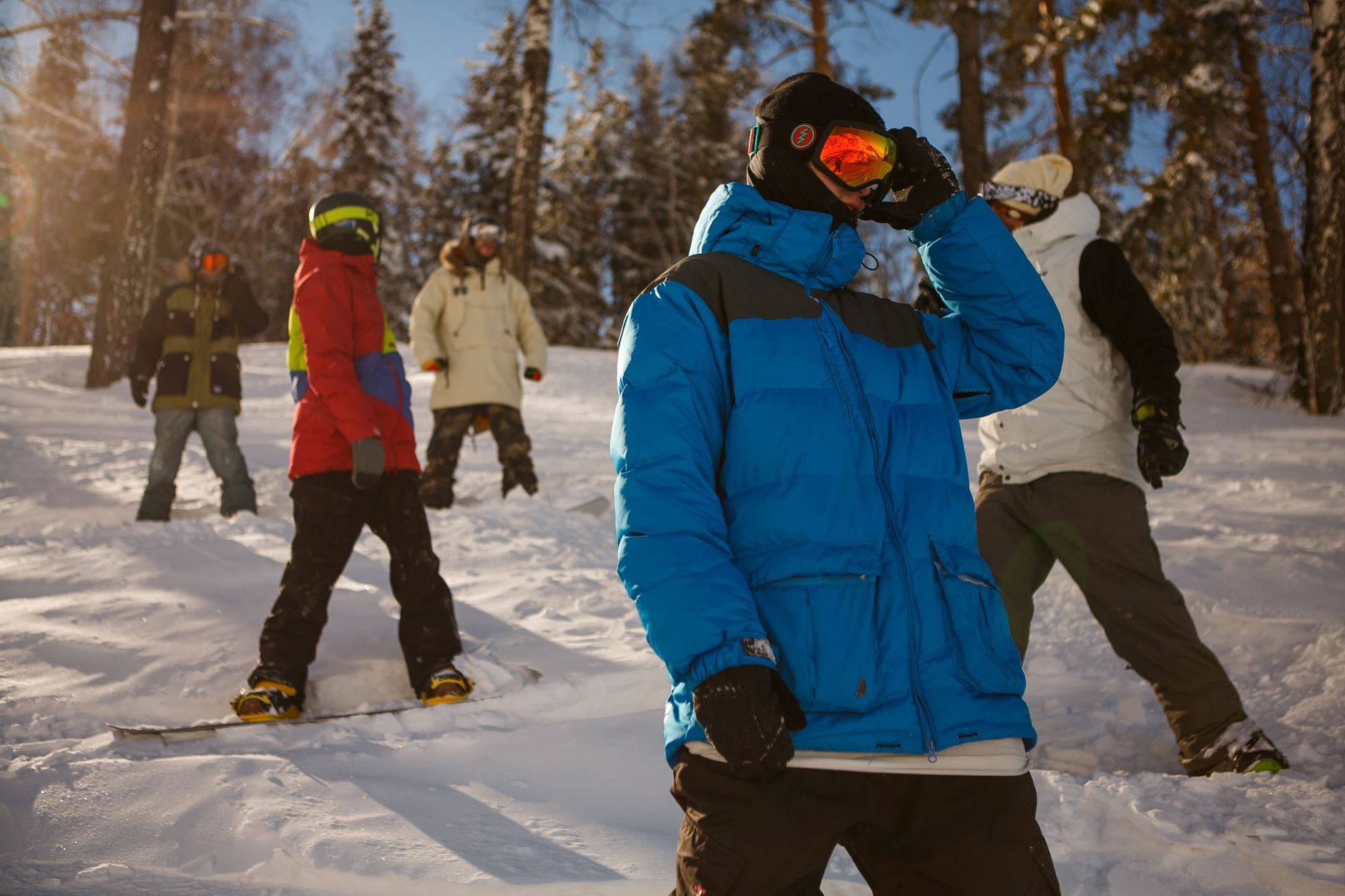
Choosing the right outfit for snowboarding is crucial to ensure comfort, style, and performance on the slopes. It’s not just about looking good; the right clothing protects against the elements while allowing for flexibility in movement. This guide will help you navigate the essentials of snowboarding attire, covering outfit ideas, layering techniques, and fabric choices for a successful day on the mountain.
Snowboarding outfits should be versatile enough to accommodate varying weather conditions while keeping you warm and dry. Let’s explore the key components of the ideal snowboarding outfit, offering styling tips and practical advice to elevate your winter sports wardrobe.
What to Wear Snowboarding?
When snowboarding, wear layered clothing to manage temperature changes and maximize comfort. Essential pieces include a moisture-wicking base layer, a warm insulating layer, waterproof and breathable outerwear, snow pants, and the right accessories. Footwear should provide support and warmth, while accessories enhance both your style and functionality.
Essential Layers for Snowboarding
Layering is the fundamental principle of dressing for snowboarding. Proper layers not only keep you warm but also enable you to adjust your outfit as your body temperature fluctuates. Here’s a breakdown of the essential layers:
1. Base Layer
The base layer is your first line of defense against the cold. It sits directly against your skin and should be made from moisture-wicking materials to keep you dry and comfortable. Avoid cotton, as it traps moisture and can chill you when wet. Ideal fabric options include:
- Merino Wool: Naturally moisture-wicking and insulating.
- Synthetic Fabrics: Polyester or nylon blends that are lightweight and quick-drying.
Choose a fitted style to provide optimal warmth without adding bulk. Long-sleeve tops and thermal leggings are standard choices. Pair them together for full coverage.
2. Insulating Layer
The insulating layer adds warmth without being overly heavy, allowing for fluid movement. Options include:
- Fleece Jacket: Provides warmth while being breathable and lightweight.
- Down or Synthetic Insulated Jacket: Excellent for warmth, with down offering superior insulation and synthetic alternatives retaining warmth when wet.
Look for a layer that can zip up or be worn open to regulate temperature as needed. Ensure that it fits comfortably over your base layer without feeling restrictive.
3. Outer Layer
Your outer layer shields you from wind, snow, and rain. It should be waterproof and breathable to keep moisture out while allowing perspiration to escape. Key elements to look for include:
- Snow Jacket: Look for features like a snow skirt, adjustable cuffs, and pockets for essentials.
- Snow Pants: Opt for pants with reinforced knees and a secure fit, ensuring they remain in place while moving.
A good quality outer layer can make or break your snowboarding experience. Wear with the right fit to ensure mobility and comfort during active pursuits.
Snowboarding Footwear Considerations
Your feet are your foundation on the slopes, making proper snowboarding boots essential. Here’s what to consider:
1. Snowboard Boots
Investing in a quality pair of snowboard boots is key to both comfort and control. Look for features that facilitate a better ride:
- Flex Rating: Flexibility varies among boots; softer flex is ideal for beginners, while stiffer boots cater to advanced riders.
- Fit: Ensure a snug fit without pinching, with enough cushioning around the foot and ankle.
2. Socks
Wear specific snowboarding socks that offer cushioning where needed and wick moisture away. Avoid cotton as it retains moisture. Instead, opt for:
- Synthetic Socks: These provide warmth and comfort.
- Merino Wool Socks: Perfect for warmth and breathability, keeping feet dry and warm.
Snowboarding Accessories
Accessories play a vital role in completing your snowboarding outfit while enhancing protection against harsh weather. Essential accessories include:
1. Gloves or Mittens
Your hands are exposed to the cold, making insulated gloves or mittens crucial. Mittens tend to be warmer, while gloves offer better dexterity. Look for options with waterproof materials and good insulation to keep hands dry and cozy.
2. Beanie or Helmet
Wearing a helmet is non-negotiable for safety. Many modern helmets come with ventilation and ear coverage. You can also wear a beanie underneath for added warmth. Ensure that it fits snugly but comfortably if layering it with a helmet.
3. Goggles
Protect your eyes from UV rays and wind with snowboard goggles. Look for lenses that adapt to different light conditions, ensuring clear vision on the slopes. Check for:
- Anti-fog Coating: To maintain clear visibility.
- UV Protection: To shield your eyes from harmful rays.
4. Neck Gaiter or Buff
A neck gaiter or buff keeps your neck warm while also protecting your face from biting winds. Choose a product made from moisture-wicking fabric to stay dry and comfortable throughout the day.
Stylish Outfit Combinations
Creating a stylish snowboarding outfit doesn’t mean sacrificing functionality. Here are a few complete outfit combinations to inspire your wardrobe choices:
1. Classic Layered Look
- Base Layer: Long-sleeve merino wool top and thermal leggings
- Insulating Layer: Fleece pullover for warmth
- Outer Layer: Waterproof snow jacket and insulated snow pants
- Footwear: Soft-flex snowboard boots
- Accessories: Warm mittens, fitted beanie, and protective goggles
2. Trendy and Functional
- Base Layer: Moisture-wicking tank top and lightweight leggings
- Insulating Layer: Lightweight puffer jacket
- Outer Layer: Stylish patterned snow jacket and high-waisted snow pants
- Footwear: Mid-flex snowboard boots
- Accessories: Colorful neck gaiter, aviator goggles, and trendsetting gloves
3. Casual Chic
- Base Layer: Fitted long-sleeve performance top and leggings
- Insulating Layer: Zip-up hoodie or lightweight down vest
- Outer Layer: Classically styled snow jacket and relaxed-fit snow pants
- Footwear: Supportive snowboard boots
- Accessories: Fun printed gloves, helmet with stylish design, and stylish goggles
Color Coordination Tips
Color plays a significant role in creating a visually appealing snowboarding outfit. Here are some tips on color coordination:
- Monochromatic Look: Choose variations of one color family for a sleek, sophisticated vibe.
- Pops of Color: Use bright colors to accent a neutral outfit; this engages attention while allowing for easy coordination.
- Patterns and Prints: Incorporate fun patterns for unique expression, balancing them with solid colors to prevent overwhelming the outfit.
Fabrics and Materials to Consider
Understanding fabric properties will help you make informed choices for each layer of your outfit, focusing on warmth, breathability, and moisture management. Key materials include:
- Technical Fabrics: Look for items made from nylon, Gore-Tex, or other materials designed for outdoor performance.
- Insulating Fibers: Down or synthetic insulation provides excellent warmth; choose one based on your needs and ethical considerations.
- Stretch Fabrics: Look for materials that provide flexibility, especially in the outer layer to ensure full range of motion.
Garment Care Tips
Proper care of your snowboarding attire is essential to maintain performance and longevity. Follow these care instructions:
- Washing: Always check and follow the garment’s care label. Use cold water and avoid fabric softeners, which can reduce moisture-wicking capabilities.
- Drying: Air-dry your snowboarding clothes whenever possible. If machine drying, use a low heat setting to prevent shrinkage.
- Storage: Store garments in a cool, dry place, ensuring that they are clean and completely dry to prevent mildew.
Shopping Tips for Snowboarding Gear
Shopping for snowboarding gear can be overwhelming, given the variety available. Here are tips to help you shop wisely:
- Try Before You Buy: Always try on clothing and boots to ensure a good fit; different brands have varying sizing standards.
- Look for Sales: Off-season sales can yield significant savings on high-quality gear.
- Consider Performance: Don’t just focus on looks; ensure that the items you purchase meet your specific snowboarding needs.
Final Tips for Snowboarding Outfits
As you prepare for a day on the slopes, keep these final tips in mind:
- Comfort is key. Choose garments that fit well and allow for ease of movement.
- Don’t over-layer; this can cause overheating. Opt for breathable fabrics that wick moisture.
- Invest in quality gear that will last; this is especially true for outer layers and footwear.
Remember, the best snowboarding outfit is one that blends style, comfort, and functionality while allowing you to express your personal style on the slopes.
Explore the essentials of winter sports fashion further by checking out our guides on what to wear skiing and what to wear for paintball for more outfit ideas and styling tips!