
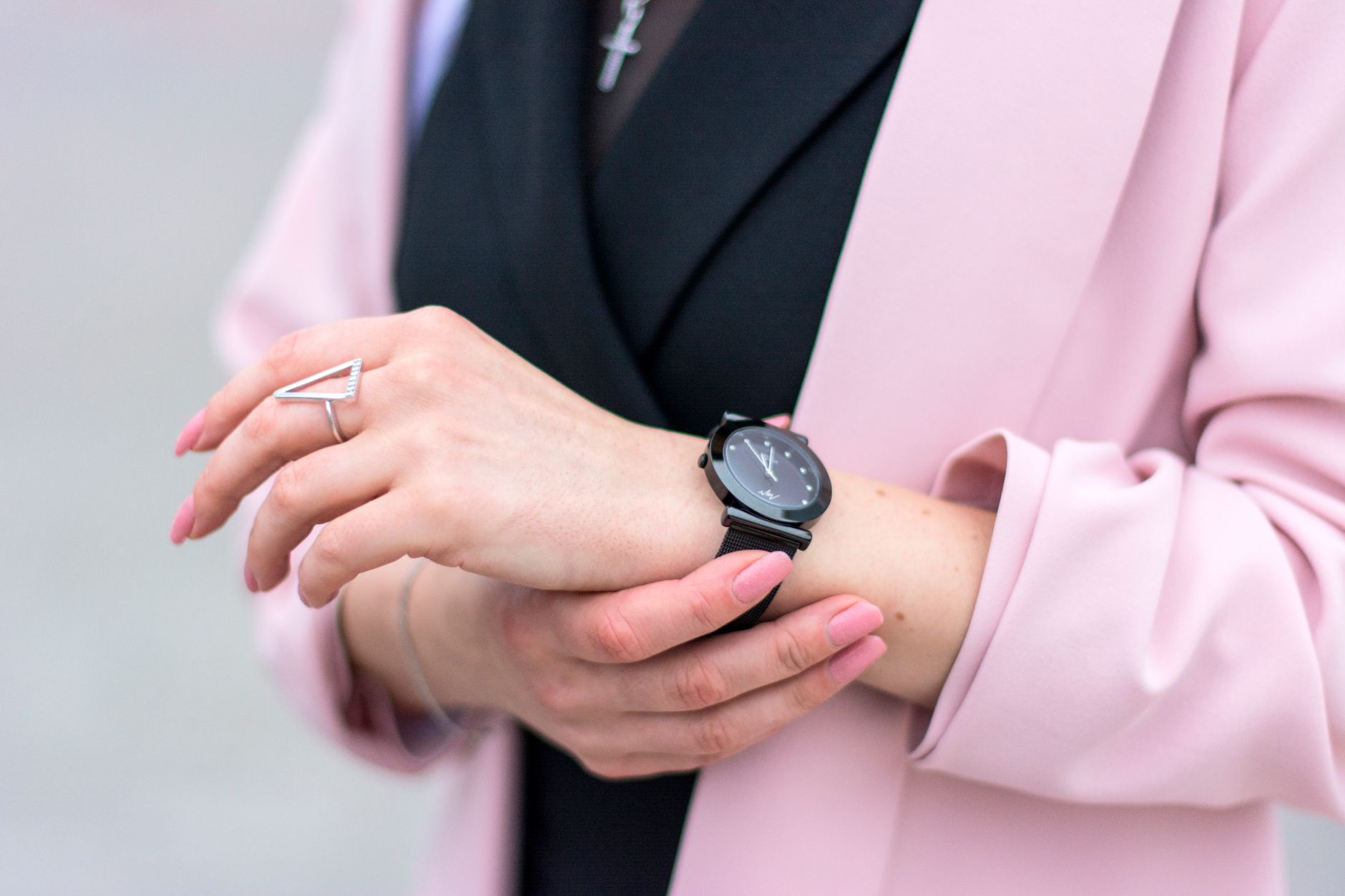
Choosing which hand to wear a watch on is more than just a matter of preference. It reflects personal style, function, and even cultural significance. Although many people instinctively place their watch on their non-dominant wrist, there are varied practices and considerations that can influence this choice, making it essential to understand the reasoning behind it.
This guide will explore the conventions, traditions, and styling tips related to wearing a watch on each hand. Whether you’re selecting your first timepiece or reevaluating your collection, knowing the nuances can help you express your unique fashion identity.
Which Hand to Wear Watch?
The most common convention for wearing a watch is on the non-dominant hand. This typically means wearing it on the left wrist for right-handed individuals and on the right wrist for left-handed individuals. This practice is rooted in practicality, as it protects the watch from damage and makes it easier to write or perform other tasks with the dominant hand.
Why Do Most People Wear a Watch on the Non-Dominant Hand?
There are several reasons why wearing a watch on the non-dominant hand is widely adopted:
- Protection: Wearing the watch on your non-dominant hand reduces the likelihood of knocks and scratches from daily activities.
- Accessibility: It’s easier to adjust the time and use features on your watch without hindering tasks performed with your dominant hand.
- Tradition: This practice has been solidified over generations, establishing a cultural norm.
Special Considerations for Left-Handed Individuals
Left-handed individuals might find wearing a watch on their right wrist challenging due to visibility and access issues. However, some may choose to wear it on the right wrist for personal comfort or style preferences. There are no hard rules, so wearing a watch on whichever wrist feels right is acceptable.
Types of Watches and Their Placement
The type of watch you choose can impact which wrist feels most comfortable for you to wear it on. Here are some pointers based on the style of watch:
1. Dress Watches
Typically more formal, dress watches are best worn on the non-dominant hand. This not only complements formal attire but also keeps the watch less exposed during events where you might shake hands or interact with others.
2. Sports Watches
Sports watches tend to be bulkier and more robust, making them less susceptible to damage. Whether you’re active or not, these can be comfortably worn on either wrist. When choosing activewear, opt for a watch that doesn’t interfere with your movements.
3. Smartwatches
Smartwatches come packed with features that can enhance your daily life. Depending on your use case—fitness tracking, notifications, or calls—you may prefer to wear it on your dominant wrist for ease of access.
4. Casual Watches
Casual watches allow flexibility. Go for your preference, especially as these often blend well with a range of outfits, fitting seamlessly into various casual settings.
Styling Your Watch with Outfits
The watch you choose can significantly enhance your outfit. Here’s how to style it based on different occasions:
Casual Wear
For a relaxed look, you can pair a simple leather or canvas watch with:
- A graphic t-shirt
- Slim-fit jeans
- Trainers or loafers
This combination provides comfort while allowing your watch to stand out subtly, adding a touch of personality.
Work Wear
When dressing for the office, opt for a minimal, classic watch. Pair it with:
- A tailored blazer
- A crisp button-up shirt
- Chinos or tailored trousers
This creates a polished look, elevating your professional appearance while maintaining functionality.
Formal Wear
For formal occasions, a sleek dress watch is imperative. Style it with:
- A fitted tuxedo or tailored suit
- A dress shirt and tie
- Polished dress shoes
The watch should complement your outfit and add a distinguished touch without overshadowing the overall aesthetic.
Layering and Accessories
Layering can create a sophisticated or stylish look; the watch can serve as a focal point. To style a watch with layers:
- Include a lightweight scarf that offsets the watch without overshadowing it.
- Wear bracelets or cuffs on the same wrist if they are slim and coordinating, allowing for a cohesive look.
Mixing metals is another trend, so feel free to wear a gold watch with silver rings or bracelets if they complement each other.
Wardrobe Essentials to Consider
When curating your wardrobe, consider pieces that work harmoniously with your chosen watch. Here’s a list of versatile essentials:
- A classic white dress shirt
- A well-tailored blazer
- Solid-color chinos and jeans
- A pair of versatile ankle boots and trainers
- A selection of belts that coordinate with your watch and shoes
Color Coordination and Personal Style
Colors play a crucial role in outfit styling. Here are tips for effective coordination with your watch:
- If your watch has a metal band, ensure your accessories have a similar tone—gold with gold, silver with silver.
- Study the color palette of your watches: a classic black or white watch will pair well with almost any outfit.
- Introduce a pop of color through your watch strap, especially if made from leather or fabric. Match that shade with another item in your outfit for coherence.
Fabric Considerations
The choice of fabric can affect both comfort and style. Here’s a look at some common fabrics:
- Cotton: Lightweight and breathable, perfect for casual wear. Pair cotton shirts with sporty watches.
- Wool: Ideal for formal wear. Wear a dress watch with wool suits for a timeless look.
- Leather: Works for dress and casual watches and can be a unique textile choice for accessories.
Garment Care Tips
Caring for your garments can significantly extend their lifespan, keeping your outfits fresh. Follow these general guidelines:
- Always consult the care label before washing or dry cleaning.
- Store garments properly to prevent wrinkles—hang suits and blazers, and fold knitwear.
- For leather watches and accessories, use a soft cloth to wipe down after use to maintain their shine.
The History of Watch Wearing
The practice of wearing watches has evolved over centuries, dating back to the early 16th century. Initially, watches were pocket-sized until the late 19th century when wristwatches gained popularity, especially among men and then women in the early 20th century.
Understanding this history adds depth to your choice of accessory. It provides context for style choices, showing how the function of watches has transformed into wearable art.
Shopping for the Right Watch
When selecting your next watch, consider the following:
- Determine your budget and align your choices within that range.
- Assess quality over quantity; a well-crafted watch will last through trends.
- Choose a versatile watch that can transition from one occasion to another.
Consider purchasing from reputable brands or boutiques that align with your aesthetic and values, ensuring quality craftsmanship and design.
Conclusion
Ultimately, wearing a watch is a personal choice that should reflect your individual style and lifestyle. Whether you prefer the practicality of placing it on your non-dominant hand or the need for flair on your dominant side, the key is to wear it with confidence.
Explore more outfit ideas, styling tips, or fashion guides to enhance your wardrobe and personal style, whether you want to discover what hand to wear a watch or learn which hand you should wear a watch on.