
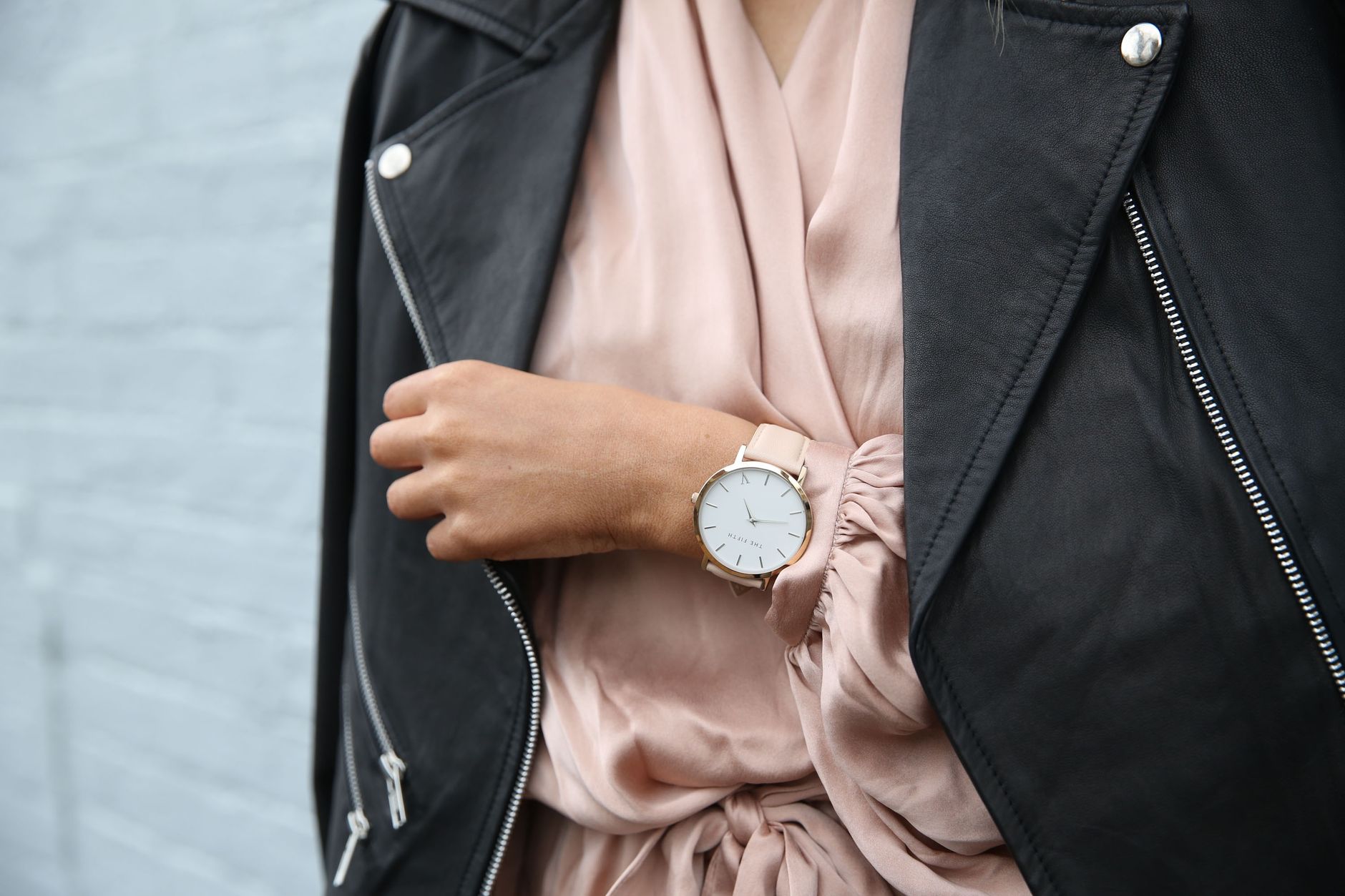
Choosing which hand to wear a watch on can seem like a small detail, but it can greatly impact your overall style. Many factors influence this choice, including tradition, functionality, and personal preference. Understanding these elements will allow you to wear your watch in a way that complements your unique fashion aesthetic.
This guide will explore the most common practices when it comes to wearing a watch and will provide tips for styling, outfit coordination, and more so that you can express your personal style through your accessories.
What Hand to Wear a Watch?
Traditionally, most people wear their watches on their non-dominant hand. For right-handed individuals, this means wearing the watch on the left wrist, while left-handed people typically wear it on the right. This practice stems from the desire to protect the watch from scratches and damage while allowing for ease of use when checking the time.
Nonetheless, this isn’t a strict rule, and many choose to wear their watch on the opposite wrist for comfort or style reasons. Your choice ultimately should reflect your personal style, comfort, and functionality.
Factors to Consider When Choosing a Wrist
1. Dominant Hand
Your dominant hand naturally plays a significant role in your decision. When wearing a watch on your non-dominant wrist, you can easily access the watch without interfering with tasks that require your dominant hand. This functionality is especially useful in professional settings or during physical activities.
2. Comfort
Comfort is essential. Some may find wearing a watch on their dominant wrist feels awkward, while others may have a strong preference for it. If you wear a bracelet or any other accessory, consider how your watch will pair with it to ensure comfortable wear throughout the day.
3. Type of Watch
The type of watch you choose can also influence which wrist you wear it on. For example:
- Smartwatches: These are often bulkier and may be more comfortable on your non-dominant wrist.
- Dress Watches: Slimmer, more elegant styles can look sophisticated on either wrist.
- Sports Watches: Generally more robust, they can handle wear and tear better and can be worn on either wrist.
4. Personal Style
Your style aesthetic plays a vital role in your choice. If you enjoy stacking bracelets or wearing multiple accessories, consider how the placement of a watch can affect the overall appearance. For instance, layering a delicate watch with bracelets looks elegant on either wrist.
5. Social and Cultural Norms
Every culture has its norms surrounding accessories. Consider regional customs or social expectations. In some settings, it might be more acceptable to wear a watch on the dominant wrist, while in others, the traditional approach may be the norm.
Styling Your Watch with Outfits
1. Casual Wear
For a straightforward, relaxed outfit, consider pairing a classic wristwatch with jeans and a t-shirt. A minimalist watch with a leather band adds a touch of sophistication to a casual look. This could be an ideal outfit choice for outdoor outings or casual get-togethers with friends.
- Outfit Combination:
- Blue jeans
- White t-shirt
- Brown leather sneakers
- Minimalist leather watch
2. Workwear
In a professional environment, your watch can serve as a functional piece as well as a statement accessory. Opt for a sleek dress watch in metals like silver or gold to complete a tailored suit or smart-casual ensemble.
- Outfit Combination:
- Charcoal gray blazer
- White button-up shirt
- Navy dress trousers
- Black oxford shoes
- Silver dress watch
3. Formal Events
Dress watches shine in formal settings. Choose intricate designs, perhaps with embellishments or upgraded materials like stainless steel or leather, to fit with your evening wear.
- Outfit Combination:
- Black tuxedo
- White dress shirt
- Black patent loafers
- Elegant watch with a leather strap
4. Seasonal Dressing
No matter the season, your watch can adapt to your look. During warmer months, consider lighter fabrics and colors, choosing a watch with a fabric strap or color that complements your outfit. As winter approaches, explore watches with deeper tones or metallic finishes that can match your layered outfits.
5. Day-to-Night Transition
Wearing a watch that transitions from daywear to evening attire can simplify your style choices. A simple, elegant watch can complement both casual outfits and dressy attire.
Color Coordination
Color coordination is essential in creating a cohesive look. The watch’s color should complement other accessories and the outfit as a whole. Here are some tips for effective color coordination:
- Matching metals: If you wear gold jewelry, consider a gold watch. If you have silver earrings, opt for silver or white gold.
- Complementary colors: Consider the color wheel when choosing outfits. Wear watches with straps or faces that harmonize with your outfit’s palette.
- Seasonal hues: Embrace colors that fit the season—pastels in spring and summer, richer shades in fall and winter.
Accessories that Pair Well with Watches
When accessorizing with a watch, it’s important to consider additional pieces. Here are some popular options that work well with watches:
- Bracelets: Stacking a beaded or metal bracelet with a watch can create an elegant layered effect.
- Rings: Simple rings can enhance a watch’s aesthetic without overpowering it.
- Hats and Bags: Choose accessories that share similar tones or materials to maintain a coherent look.
Common Mistakes When Wearing Watches
Avoiding certain pitfalls can enhance your overall style when wearing a watch. Here are some common mistakes to watch out for:
- Wearing a watch that’s too bulky: Consider the proportions of your wrist and outfit. A large watch can overwhelm smaller frames, while a petite watch may appear lost on larger frames.
- Ignoring sleeve length: A watch that peeks out from under a sleeve provides a polished look. However, if you struggle to see the face of the watch, it may be too large or fitted with a too loose strap.
- Mixing too many styles: If your watch is classic, avoid pairing it with streetwear. Choose accessories that align with your watch’s style.
Garment Care to Complement Your Accessory Choices
Maintaining your watch and other accessories is essential for a polished appearance. Keep the following garment care tips in mind:
- Watches: Regularly clean your watch with a soft cloth and check for any signs of wear on the strap. If necessary, consider professional cleaning for intricate designs.
- Jewelry: Store in a cool, dry place to prevent tarnishing. Use a jewelry cloth to clean silver and gold pieces regularly.
- Clothing: Follow care labels and wash as instructed to avoid fading, shrinking, or general wear. Regularly check for loose threads or small damages that could lead to larger issues.
Final Thoughts
The hand you wear your watch on is a blend of tradition, convenience, and personal flair. Whether it’s on your dominant or non-dominant wrist, it should enhance your style while being practical for your lifestyle. Remember to choose watches that suit your outfits, considering color coordination and occasion.
Consider experimenting with layering your watch with other accessories to discover unique combinations. As your style evolves, your watch can be an elegant reflection of your persona. With thoughtful selection, your watch will serve as a functional and stylish addition to any ensemble.
For more outfit ideas and style guidance, explore further styling tips like What Hand Do You Wear a Watch On or Which Wrist to Wear Watch Female.