
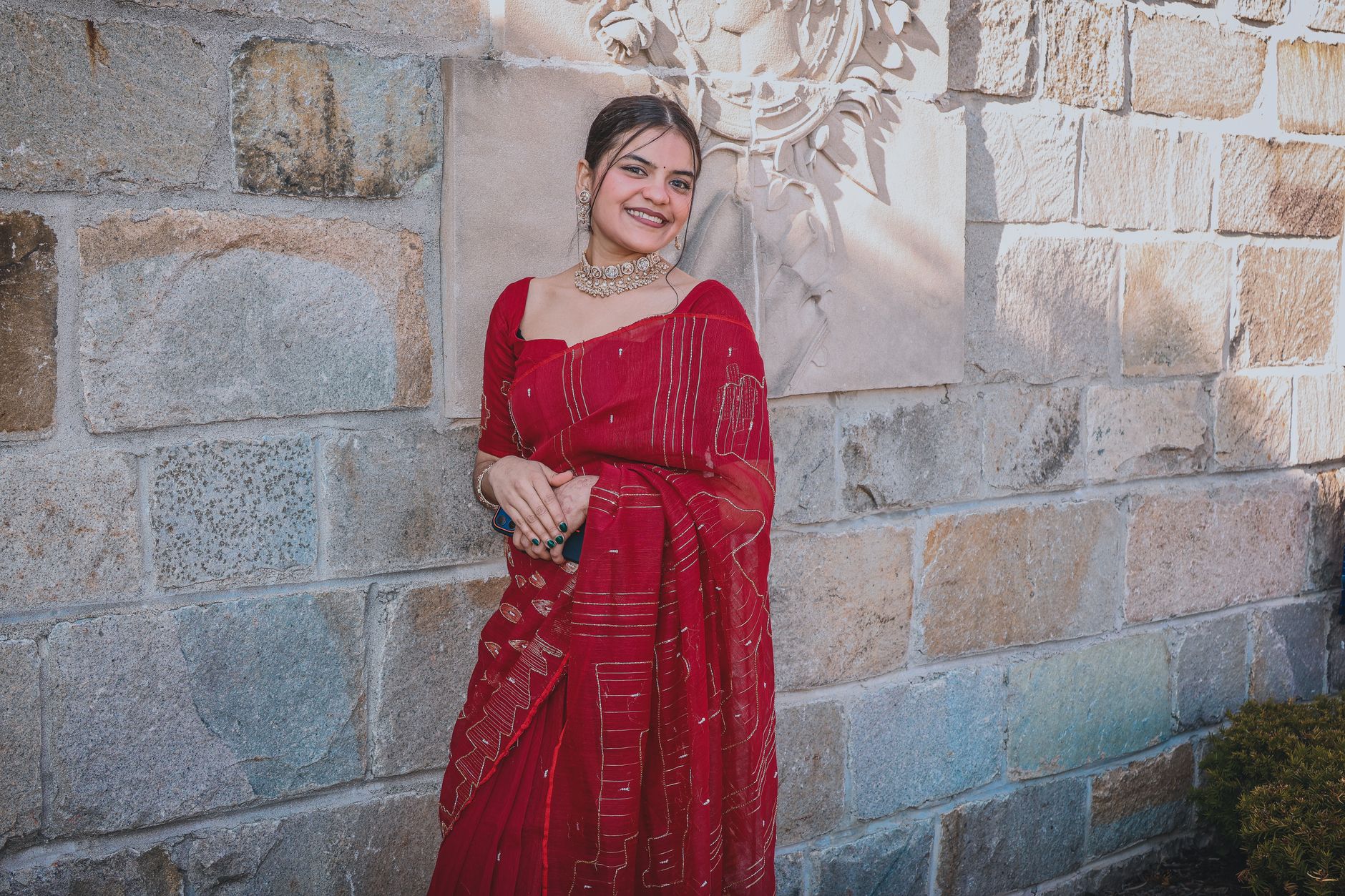
The saree is a time-honored garment that embodies both elegance and versatility, distinctively woven into the fabric of South Asian culture. This iconic piece of clothing, with its textures, draping techniques, and vibrant patterns, transcends generations and occasions, inviting wearers to express their unique style.
Understanding the saree’s significance, its myriad forms, and how to style it can greatly enhance your wardrobe. In this guide, we’ll explore the saree’s definition, examples of styles, outfit inspiration, and practical tips to integrate this stunning garment into various outfits.
What Is a Saree?
A saree is a traditional garment worn primarily by women in South Asia, consisting of a long piece of cloth, usually between five to nine yards in length. It is draped elegantly around the body, typically over a petticoat, and is paired with a blouse or choli. The saree’s beauty lies in its simplicity and the myriad ways it can be styled.
The saree’s origins date back over 5,000 years, making it one of the oldest forms of clothing still in use today. Its draping style varies widely across regions, cultures, and occasions, and it is often enriched with intricate embroidery, bold colors, and unique patterns. From casual to formal events, the saree offers limitless possibilities for expression through fashion.
Examples of Saree Styles
There are countless styles of sarees, each reflecting the cultural heritage of its region. Here are some notable styles:
- Banarasi Saree: Known for its luxurious silk and intricate gold or silver brocade, this saree originates from Varanasi. It’s often worn for weddings and festive occasions.
- Kanjeevaram Saree: Hailing from Tamil Nadu, these sarees are made from silk and are known for their vibrant colors with rich borders. Kanjeevarams are staple wedding attire.
- Chanderi Saree: This lightweight saree from Madhya Pradesh is favored for its sheer texture and elegant designs, ideal for both casual and formal wear.
- Sambalpuri Saree: Originating from Odisha, these sarees are characterized by their handwoven ikat designs and Pattachitra borders, making them highly sought after for their craftsmanship.
- Net Saree: A contemporary favorite, the net saree features a sheer fabric that adds a touch of glam. It’s often adorned with sequins or embroidery for added sparkle, perfect for evening events.
Outfit Inspiration: Styling the Saree
Integrating a saree into your wardrobe provides endless opportunities for creativity. Here’s how to style a saree for various occasions:
Casual Day Out
For a casual outing, opt for a light cotton saree with a playful print. Pair it with a simple, fitted t-shirt or a cropped blouse to keep the look relaxed yet stylish. Footwear can include comfortable sandals or block heels, and minimalistic jewelry ensures the outfit remains laid-back.
- Saree: Light cotton saree in a floral print
- Blouse: White fitted t-shirt or cropped blouse
- Shoes: Comfortable sandals
- Accessories: Minimalistic earrings and a canvas bag
Workwear
Transform the saree into office attire by choosing a solid-colored linen saree, which exudes professionalism while offering comfort. Pair it with a tailored blouse that has a structured silhouette. Complement with closed-toe flats and a sleek tote bag to complete a polished look.
- Saree: Solid linen saree in navy blue or charcoal
- Blouse: Tailored blouse with slight structure
- Shoes: Closed-toe flats
- Accessories: Simple watch and tote bag
Evening Affair
Bring out the glam for an evening event with a statement saree, perhaps in silk, adorned with embellishments. A well-fitted, off-the-shoulder blouse can elevate the overall look, complemented by high heels. Choose bold jewelry, such as statement earrings and a clutch, to enhance the ensemble.
- Saree: Silk saree with embellishments
- Blouse: Off-the-shoulder fitted blouse
- Shoes: High heels
- Accessories: Statement earrings and a clutch
Festive Celebrations
During festive seasons, vibrant colors and intricate designs shine. A traditional Banarasi saree, layered with a deeply embroidered blouse, becomes a beautiful choice. Long jhumka earrings and embellished sandals will create a festive flair, allowing you to celebrate in style.
- Saree: Banarasi silk saree in bright hues
- Blouse: Deeply embroidered traditional blouse
- Shoes: Embellished sandals
- Accessories: Long jhumka earrings and bangles
Layering and Accessories
Accessorizing and layering can enhance the saree’s look, making it suitable for different weather and occasions. Here are some tips:
Layering Techniques
For cooler weather, consider layering with lightweight shawls or stoles that complement the saree’s color scheme. A fitted jacket can add a contemporary touch while providing warmth. Depending on the saree’s style, a long line jacket or a cropped blazer can be effective.
Footwear Choices
Your choice of footwear can drastically change the saree’s vibe. For casual looks, opt for sandals or minimalistic flats. For formal settings, high heels or embellished pumps can elevate the outfit. Always consider comfort, especially if attending a long-lasting event.
Accessorizing Wisely
Jewelry should resonate with the saree’s tone. A statement necklace can work with simpler sarees, while a heavily embellished saree may call for more subdued accessories. Always balance bold pieces with more understated selections to maintain harmony in your look.
Color Coordination and Seasonal Dressing
Understanding color coordination is key to making any saree stand out. Here are some strategies for selecting saree colors based on seasons and occasions:
Seasonal Color Palettes
- Spring: Opt for light pastel shades such as mint green, baby pink, or soft lavender. Floral patterns will complement the mood of renewal.
- Summer: Bright, bold colors like yellows, reds, and oranges work well, reflecting the season’s energy. Lightweight fabrics keep you cooler.
- Fall: Earthy tones like browns, and deep greens can create a warm and cozy vibe. Layering becomes easier with richer textures.
- Winter: Darker shades like navy blue, deep red, or black dominate winter wear, with heavier fabrics offering comfort against the chill.
Fabric and Garment Care
Choosing the right fabric for your saree is essential to ensure comfort and longevity. Here are common saree fabrics and care tips to keep in mind:
Common Saree Fabrics
- Cotton: Lightweight and breathable, cotton sarees are ideal for casual wear and hot climates.
- Silk: Luxurious and elegant, silk sarees are perfect for formal events, though they require delicate handling.
- Linen: Known for its moisture-wicking properties, linen is a great option for workwear and warm settings.
- Georgette: This lightweight fabric offers a beautiful drape and is often chosen for evening wear.
Garment Care Tips
- Always check the care label before washing. Delicate fabrics may require hand washing or dry cleaning.
- For washing at home, use a mild detergent and cold water to maintain colors and fabric integrity.
- Avoid wringing out silk and chiffon; instead, roll them in a towel to absorb excess water.
- Store sarees in breathable cotton bags to protect them from dust and moisture.
Fashion History of the Saree
The saree has a rich historical lineage that goes back thousands of years. Historically, the saree symbolizes not just the creative expression of fabric and fashion but also the cultural identity of women in South Asia.
Each region of India has its interpretation, weaving techniques, and distinct draping styles, making the saree an essential part of India’s cultural heritage. It has been reinterpreted in modern fashion, attracting designers worldwide who are inspired by its timeless elegance and adaptability.
Shopping for a Saree
When shopping for a saree, whether online or in-store, keeping a few factors in mind can simplify your process:
- Know Your Body Type: Understand which silhouettes and draping styles complement your body shape.
- Set a Budget: Sarees come in various price ranges, so having a budget helps narrow down your options without overspending.
- Quality Check: If shopping in person, feel the fabric and check stitching. Online shopping requires careful review of product descriptions and customer feedback.
- Size Matters: Always consider the length of the saree and ensure it is sufficient for your height, especially if you are new to wearing sarees.
Wearing a saree can be a joyful experience. With attention to detail, personal style, and thoughtful selection, you can master this elegant garment and express your unique personality and individuality in diverse settings.
Consider trying out the different outfit combinations provided, checking the fit of a saree before purchasing, or planning a wardrobe edit where you incorporate this elegant piece. Explore our guides on outfit ideas and styling tips for further inspiration.
For more outfit combinations, check our guide on what is a sari or learn how to tie a sarong in our article how to tie a sarong.