
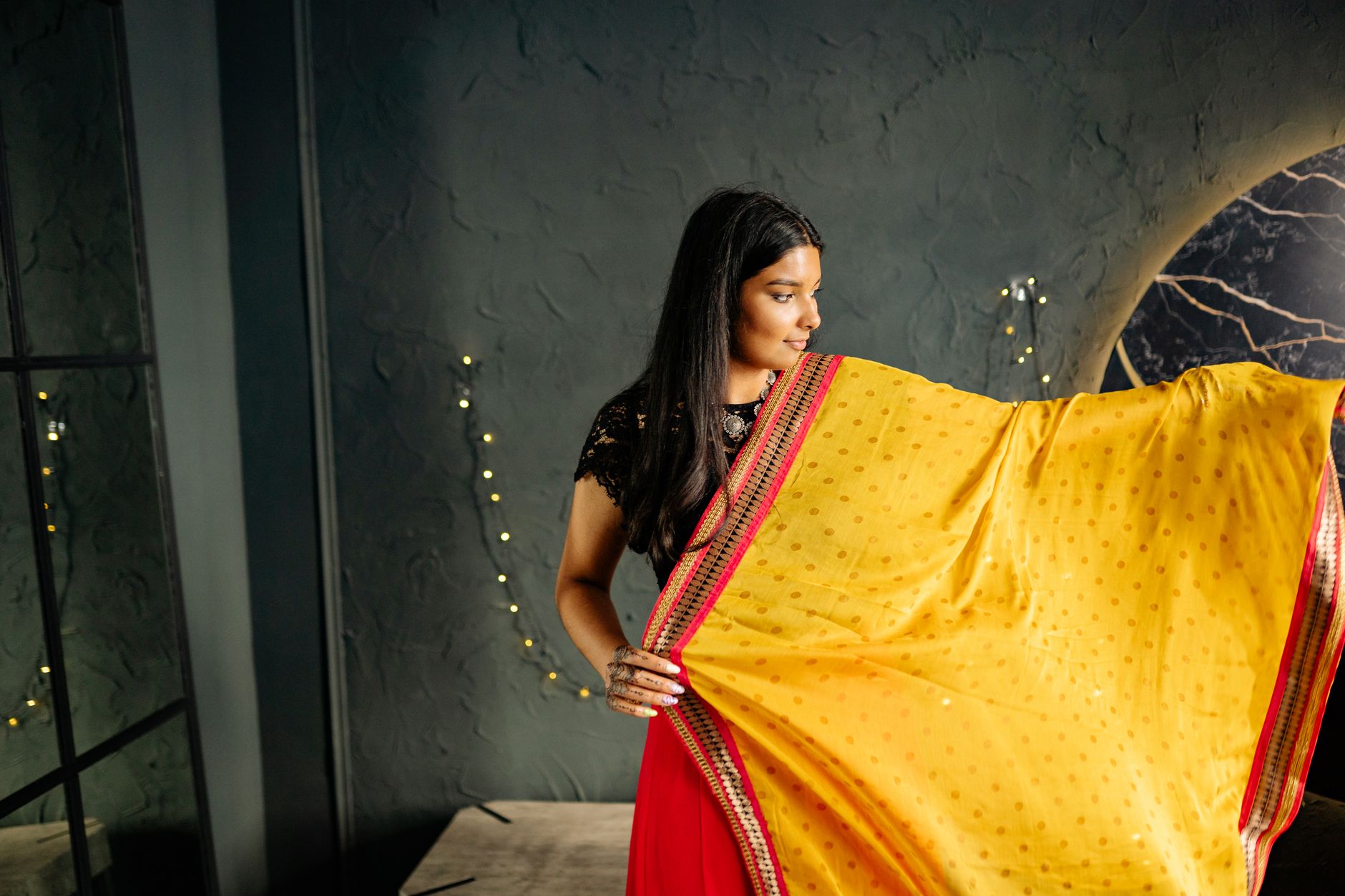
A sari is a traditional garment that has transcended time and geography, particularly in South Asia. It is essentially a long piece of fabric, typically ranging from five to nine yards, that can be draped in various styles. This versatile attire is not just a fashion statement; it represents cultural heritage and individuality.
In this article, we will explore the meaning of a sari, share examples of styles and draping techniques, and provide outfit inspiration for various occasions. Whether you are new to saris or looking to enhance your collection, this guide will help you appreciate how to wear and style this beautiful garment.
What Is a Sari?
A sari is an unstitched fabric that is draped around the body, typically over a petticoat. This garment’s charm lies in its versatility, allowing for numerous draping styles that vary by region, occasion, and personal preference. Traditionally associated with women, saris have recently made strides into gender-inclusive fashion, with many choosing to adopt this beautiful garment.
Understanding the Components of a Sari
To effectively style a sari, understanding its components is crucial. Here are the main parts:
- The Fabric: Saris are made from diverse materials, including silk, cotton, chiffon, and georgette. Each fabric has its drape and texture, influencing the overall look.
- The Petticoat: This is a long skirt worn underneath the sari, typically matching the sari’s color or pattern. It helps support the draping and provides a foundation for the fabric to fall gracefully.
- The Blouse: A fitted garment worn on the upper body, blouses can be tailored in various styles, sleeve lengths, and necklines to match the chosen sari.
Different Styles of Draping a Sari
The art of draping a sari varies greatly across cultures, regions, and personal tastes. Here are some popular draping styles:
1. Nivi Style
This modern and widely adopted style originated in Andhra Pradesh. The sari is wrapped around the waist and draped over the shoulder. It is often complemented by a fitted blouse.
2. Bengali Style
In this iconic style, the sari is draped to create a distinctive front pleat while the pallu is spread over the shoulder. It reflects the cultural richness of Bengal.
3. Maharashtrian Style
In Maharashtra, the sari is worn in a unique manner where it is draped around the waist with one end thrown over the opposite shoulder. This style is often paired with a distinctive nath (nose ring).
4. Gujrati Style
This playful draping technique allows for the sari’s pallu to be tucked in at the waist rather than draped over the shoulder, revealing vibrant designs and embellishments.
5. Lehenga Style
This contemporary twist combines the traditional sari with the flared silhouette of a lehenga. The sari is draped from the back to create a stunning fairy-tale look.
Choosing the Right Fabric
Selecting the appropriate fabric can significantly influence the overall aesthetic and comfort of your sari. Here’s a guide to help you choose:
- Cotton: Ideal for casual wear and hot climates. Lightweight and breathable, cotton saris are perfect for everyday use.
- Silk: A luxurious choice for special occasions. Silk saris come in various types, such as georgette and chiffon, providing different textures and weight.
- Georgette: Flowing and light, georgette saris drape beautifully, making them suitable for evening wear.
Styling Your Sari: Outfit Inspiration
Styling a sari can be an art in itself. Here are outfit ideas for different occasions that showcase how to pair saris with accessories and footwear:
Casual Wear
- Sari: A light cotton sari in a vibrant print.
- Blouse: A simple, sleeveless cotton blouse.
- Footwear: Comfortable juttis or sandals.
- Accessories: Minimal stud earrings and a small bangle set.
This casual outfit is perfect for day-to-day activities or informal gatherings, providing comfort and style.
Work Wear
- Sari: A solid-color silk or cotton sari in muted tones.
- Blouse: A tailored blouse with half sleeves.
- Footwear: Classy pumps or block-heeled sandals.
- Accessories: A structured handbag and minimalistic jewelry.
A work-appropriate sari balances professionalism with elegance, helping you express your personal style while maintaining a sophisticated look.
Formal Events
- Sari: A luxurious silk sari with intricate embroidery or designs.
- Blouse: A statement blouse featuring embellishments or a unique back design.
- Footwear: High-heeled sandals or embellished heels.
- Accessories: Statement jewelry, such as chandelier earrings and layered necklaces.
Wearing a sari to formal events celebrates tradition while making a striking impression. Consider pairing your outfit with a clutch to complete the look.
Festive Wear
- Sari: A traditional brocade or banarasi sari with rich colors.
- Blouse: A high-neck or off-shoulder blouse with embroidery.
- Footwear: Traditional embellished sandals.
- Accessories: A maang tikka, jhumkas, and bangles to enhance the festive look.
A festive sari looks splendid for celebrations and rituals, beautifully representing cultural aesthetics while remaining fashionable.
Coordinating Colors and Patterns
Understanding color coordination can elevate your sari styling game. Here are tips to navigate this aspect:
- Monochromatic Looks: Opt for saris in one color but vary the shades to create depth.
- Print Mixing: If your sari features patterns, keep the blouse solid or in a complementary color to balance the look.
- Contrasting Colors: Use the color wheel to find complementary colors—this approach works well for statement pieces.
Seasonal Dressing With Saris
Saris can be versatile for different seasons. Here’s how to adapt your outfit according to seasonal changes:
Summer
- Choose lightweight fabrics like cotton or chiffon for breathability.
- Opt for lighter colors and florals to reflect coolness.
Winter
- Layer your sari with a fitted long-sleeve blouse or a wrap to keep warm.
- Choose heavier fabrics like silk or wool blends for comfort.
Care and Maintenance of Saris
A sari can be a timeless investment, provided you take proper care. Here’s how to maintain your pieces:
- Washing: Always check the care label. Handwashing is generally preferable, especially for delicate fabrics.
- Storing: Store saris in a cool, dry place to avoid moisture and fading. Use cotton muslin cloths for wrapping.
- Ironing: Use a low-heat setting for delicate fabrics. Always iron on the reverse side to maintain the surface finish.
Shopping for Saris: Tips and Considerations
When shopping for a sari, consider the following:
- Purchase from Reputable Vendors: Ensure you buy from stores or online platforms with good reviews.
- Know Your Size: Since saris are unstitched, focus on how the fabric will drape on your body rather than just measurements.
- Understand Fabric Choices: Familiarize yourself with different fabrics and which aspects align with your personal style and comfort needs.
Exploring the Cultural Significance of Saris
The sari holds substantial cultural significance in India and other South Asian countries. Its history stretches back thousands of years, with different regions adopting unique styles, fabrics, and draping techniques.
Wearing a sari can also be a statement of identity, celebrating heritage and personal style. Respecting this cultural context while navigating modern interpretations allows for a richer experience with this traditional garment.
Conclusion
The sari is far more than a piece of clothing; it is a tapestry of history, style, and personal expression. By understanding how to select, wear, and style a sari, you can enjoy this elegant garment. Whether it’s for casual outings, work, or festive celebrations, a sari can play an essential role in your wardrobe.
Next time you consider your outfit, try incorporating a sari into your look, perhaps drawing inspiration from different draping styles or outfit combinations. It’s a fashion statement that offers endless possibilities.
Explore additional outfit ideas and styling tips by checking out what traditional Indian design entails or discovering the versatility of sarongs.