
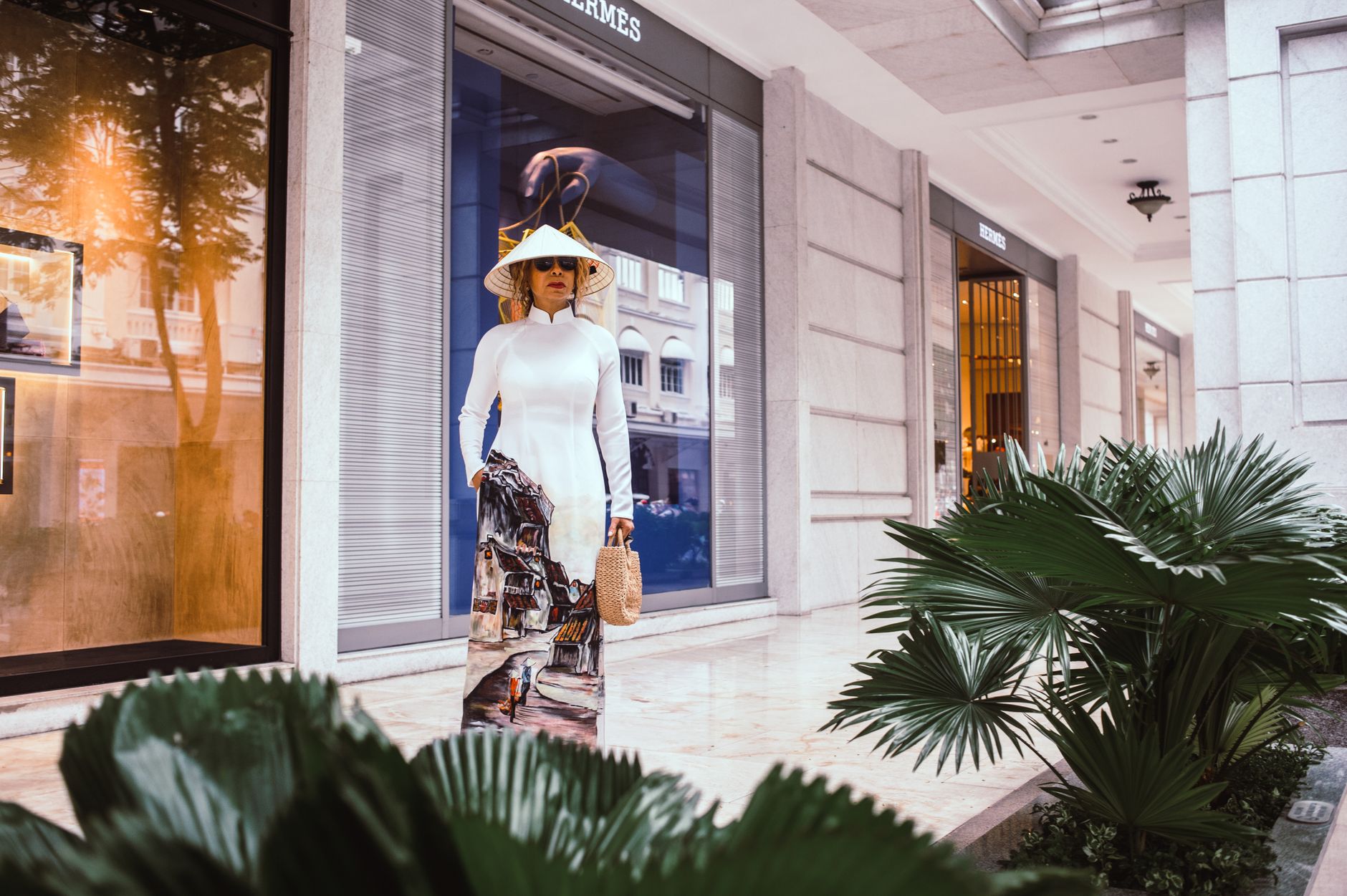
When it comes to luxury accessories, few items have captured public fascination like Hermès bags. Known for their exclusivity, craftsmanship, and timeless elegance, these handbags often come with a hefty price tag. But what drives their astronomical costs? Understanding the specific factors behind the price of Hermès bags unveils not only the brand’s philosophy but also the broader luxury market.
From meticulous craftsmanship to premium materials, cultural significance, and limited availability, there are numerous reasons why Hermès bags command such high prices. This article will explore these elements in detail, helping you appreciate these iconic creations while considering how they fit into the wider world of fashion and personal style.
Why Are Hermès Bags So Expensive?
Hermès bags are expensive primarily due to their exceptional craftsmanship, high-quality materials, brand prestige, and limited availability. Each bag is a culmination of artisanal skill and exclusive design, reflecting the luxury ethos that Hermès has cultivated over its long history.
Cultural Significance and Brand Heritage
The legacy of Hermès dates back to 1837, when Thierry Hermès founded the company as a harness workshop in Paris. The essence of the brand has always been tied to craftsmanship, quality, and exclusivity. Over decades, Hermès has evolved into a symbol of luxury, sophistication, and status. Bags like the Birkin and Kelly have become icons, thanks in large part to their association with celebrities, royalty, and fashionable elite.
This cultural significance adds a layer of desirability, reinforcing the high price point. Owning a Hermès bag is often seen as a statement of wealth and taste, contributing to the brand’s allure. The narrative of craftsmanship and history surrounding each bag elevates its status far beyond that of a mere accessory.
Meticulous Craftsmanship
One of the primary reasons Hermès bags are so costly is the time-consuming, meticulous craftsmanship involved in their creation. Each bag is handcrafted by artisans who undergo years of training. The intricate skills required for cutting, stitching, and assembling the bags feature a level of precision that is rarely found in mass-produced items.
- Handmade Production: Approximately 70 steps can go into the making of a single Hermès bag, often taking anywhere from 18 to 24 hours to complete.
- Limited Production: Hermès maintains a strict policy of limited production, ensuring that each piece is not only scarce but also maintains high quality.
- Quality Control: Every bag undergoes exhaustive quality checks, ensuring it meets the high standards expected from the brand.
Premium Materials
Hermès uses only the finest materials in its bags, further driving up their costs. The brand is renowned for sourcing high-quality leathers, fabrics, and accessories, each chosen for their durability, texture, and aesthetic appeal.
- Exquisite Leather Variants: Hermès utilizes leathers such as Togo, Clemence, and Epsom, which have unique textures and qualities. For instance, Togo leather is known for its softness and versatility, while Epsom is appreciated for its sturdiness and resistance to scratches.
- Exotic Skins: Some bags are made from exotic skins like crocodile, ostrich, and lizard. These materials are not only rare but require specialized treatment, significantly increasing the cost.
- Attention to Detail: Even the hardware—zippers, buckles, and clasps—are crafted with care, often using gold or palladium plating. This meticulous attention to detail enhances the overall quality.
Exclusivity and Demand
Exclusivity is a cornerstone of the Hermès brand. The company employs a scarcity model to create high demand. Limited production runs mean that many styles are only available in small quantities, making them coveted items among fashion enthusiasts.
For example, the waitlist for a Birkin bag can be several years long, adding to its allure. As demand outstrips supply, prices naturally rise, driven by the economic principle of scarcity. This exclusivity is not only a marketing strategy but also a reflection of the brand’s desire to maintain craftsmanship standards and offer truly unique products.
Investment Potential
Hermès bags have gained a reputation as not just fashion items, but also investment pieces. Many people view these bags as assets that appreciate over time. A well-maintained Hermès bag can retain its value—and sometimes even increase in price—far beyond the initial purchase amount.
For instance, certain styles like the Birkin and Kelly bags can see resale prices that double, triple, or even quadruple the original retail price, depending on condition, rarity, and demand. This investment potential contributes to the allure for buyers, especially those interested in luxury goods as part of their portfolio.
Fashion Statement and Personal Style
Owning a Hermès bag often transcends mere function; it becomes a fashion statement that can elevate a person’s entire look. These bags can serve as the signature piece in a wardrobe, allowing for versatile styling options.
To make a Hermès bag fit into your personal style, consider these outfit suggestions:
- Casual Chic: Pair a classic Hermès Kelly bag with tailored jeans, a crisp white shirt, and loafers for a polished yet relaxed look.
- Business Elegance: Opt for a Birkin bag with a tailored suit or a pencil skirt, which adds a touch of sophistication to professional attire.
- Weekend Luxe: Style a smaller Hermès bag with an oversized sweater and tailored trousers for a chic weekend outfit.
When selecting colors, try to coordinate your Hermès bag with your overall palette. Neutral tones can blend seamlessly with a variety of outfits, while bolder colors can serve as a focal point, drawing attention while allowing for creative expression.
Care and Maintenance
The luxury of owning a Hermès bag comes with the responsibility of proper care. High-quality materials can be sensitive to environmental factors, and maintenance can ensure the longevity of your investment. Here are essential care tips:
- Regular Cleaning: Use a soft, dry cloth to wipe down your bag regularly, removing dust and oils from your hands.
- Avoid Water: Keep your bag dry. If it becomes wet, use a soft cloth to absorb moisture immediately.
- Store Properly: Always store your bag in the original dust bag and avoid placing heavy items on top of it to maintain its shape.
- Professional Cleaning: For deeper cleaning, consider taking your bag to a professional cleaner who specializes in luxury leather goods.
Following these care guidelines not only preserves the bag’s aesthetic appeal but also its value over time.
Understanding the Pricing Structure
To fully grasp why Hermès bags are priced the way they are, it’s important to look at the pricing structure. Different models command different prices, influenced by factors such as materials used, sizes, and availability.
| Bag Model | Material | Price Range |
|---|---|---|
| Birkin 25 | Togo Leather | $10,000 – $20,000 |
| Kelly 28 | Clemence Leather | $9,000 – $15,000 |
| Constance | Epsom Leather | $7,000 – $12,000 |
These price ranges are general estimates, and variations exist based on specific designs, rarity, and market demand. By understanding the factors affecting pricing, potential buyers can approach their investment more informed.
The Future of Hermès and Luxury Fashion
The luxury fashion landscape continues to evolve, particularly with rising interest in sustainability and ethical production. While Hermès has built a reputation for exclusivity, there is a growing awareness among consumers about the positive social and environmental impact of luxury brands.
Hermès has taken steps towards sustainability by promoting the longevity of its products and supporting initiatives that promote responsible sourcing. As consumer attitudes evolve, it will be interesting to see how Hermès adapts while maintaining its ethos of craftsmanship and quality.
Final Thoughts
The enduring allure of Hermès bags is a testament to the intricate blend of culture, craftsmanship, and exclusivity. Their high price is not merely about brand prestige but also the result of artwork and heritage that goes into each piece. Investing in a Hermès bag goes beyond mere accessory ownership; it’s about becoming part of a legacy.
For those considering a luxury accessory investment, understanding these elements can help guide your decisions. Whether you’re drawn to the bags for their beauty, craftsmanship, potential investment value, or the statement they make, appreciate the rich story behind each piece.
Explore your personal style and find ways to incorporate luxury elements into your wardrobe. Check out outfit inspirations or delve into the fascinating history of fashion and style as you consider your next fashion purchase.
For more insights into why Hermès is so expensive, check out why Hermès is so expensive and learn about how much a Hermès bag costs.