
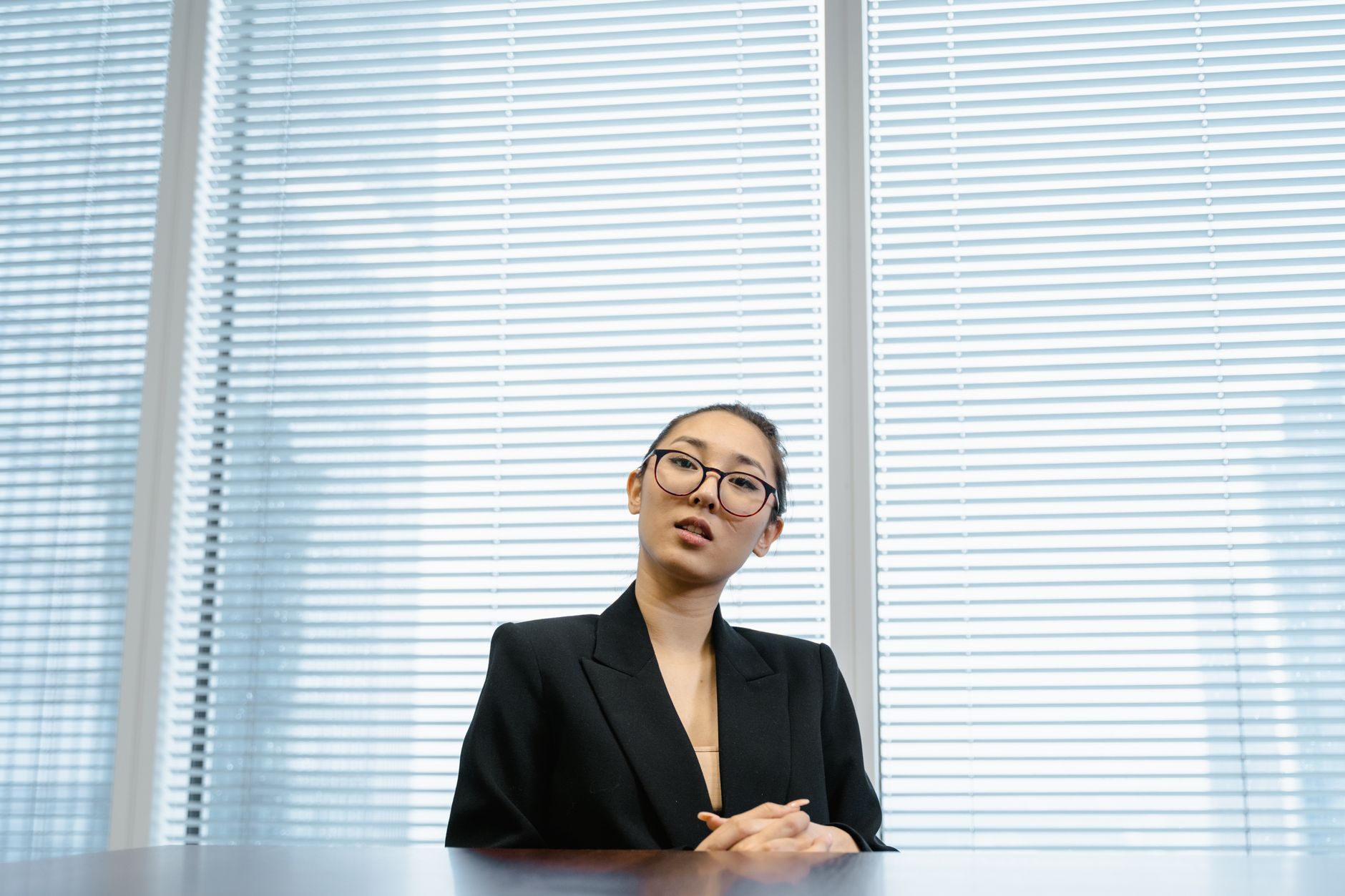
Deciding what to wear to a job interview can feel daunting. First impressions matter, and your outfit plays a crucial role in how you’re perceived. Dressing appropriately helps convey professionalism, confidence, and respect for the potential employer. Let’s explore essential workwear choices and styling tips to ensure you make a strong impression.
This guide will illuminate outfit options, fitting tips, color choices, and accessories tailored to suit different industries and interview formats, whether in-person or virtual.
What to Wear to an Interview?
Choosing the right outfit for an interview primarily hinges on the company culture and the industry norms. Aim for a polished and professional appearance that reflects your personality while aligning with the position you’re applying for.
Understanding Dress Codes
Before selecting your interview outfit, familiarize yourself with potential dress codes. Here’s a basic overview:
- Business Formal: This is the most conservative attire, typically required in industries like finance, law, and high-level corporate settings. Think suits, dress shirts, ties, and dress shoes.
- Business Casual: A relaxed version of business formal. Ideal for many corporate environments, it could include slacks or a skirt with a button-up shirt or blouse.
- Casual: Some startups and creative positions may embrace a more laid-back approach. Moderation is key—opt for smart jeans or chinos rather than ripped or overly casual pieces.
- Creative Attire: In creative fields, individuality is encouraged. While it’s important to remain polished, you can express yourself through colors, patterns, and unique accessories.
Essential Workwear Pieces
Building a great interview outfit starts with having a foundation of essential workwear pieces. Here’s what you need:
- Blazer: A tailored blazer instantly elevates any outfit, making it sharper and more professional. A classic black or navy piece is versatile and can be paired with various shirts and pants.
- Dress Shirt/Blouse: Choose a crisp dress shirt or a sophisticated blouse. Neutral colors like white, light blue, or pastel shades are safe bets, but don’t shy away from adding subtle patterns if they resonate with your style.
- Trousers: Opt for tailored trousers in neutral tones. Consider dress pants or chinos that fit well—well-tailored pieces enhance your silhouette significantly.
- Skirt/Dress: A knee-length pencil skirt or a modest dress can also work well, offering a polished look. Choose elegant fabrics that maintain shape without being too clingy.
- Footwear: Choose polished dress shoes. Low to mid-height heels or smart flats for women and dress shoes or loafers for men are advisable.
- Accessories: Minimalist jewelry is best; go for a classic watch, a simple necklace, or stud earrings to maintain a refined look.
Outfit Combinations Based on Dress Code
Business Formal Outfit Ideas
When aiming for a business formal look, consider the following combinations:
- For Women: A navy blazer, tailored white blouse, and matching dress pants, complemented by black pumps and a leather tote.
- For Men: A charcoal gray suit, crisp white dress shirt, and silk tie, finished with black oxford shoes and a leather briefcase.
Business Casual Outfit Ideas
For a business casual vibe, here are some stylish combinations:
- For Women: A light sweater, tailored dark pants, and ankle boots, with simple earrings for added polish.
- For Men: A button-up shirt without a tie, paired with chinos and loafers, complemented by a smart blazer for added structure.
Casual Outfit Ideas
For a more relaxed environment, suitable outfits include:
- For Women: Well-fitted dark jeans, a tailored blazer, and a stylish top, paired with loafers or ankle boots.
- For Men: Dark jeans or chinos, a crewneck sweater, and stylish sneakers or casual boots.
Creative Outfit Ideas
In a creative field, you can play with style while still being professional:
- For Women: A printed midi dress paired with a denim jacket and ankle booties, accessorized with statement jewelry.
- For Men: A textured blazer over a colorful dress shirt and tailored trousers, finished with desert boots for a creative touch.
Fit Matters: The Importance of Tailoring
Fitting can make or break an outfit. Regardless of your style, ensuring your clothes fit well is essential. Here are some tips for achieving a great fit:
- Invest in tailoring: A well-fitted blazer or pants can drastically improve your look. Look for a good local tailor to make adjustments where necessary.
- Understand your body shape: Choose garments that flatter your figure, emphasizing your best features while allowing for comfort and movement.
- Avoid overly tight clothing: While form-fitting looks sleek, excessively tight garments can be distracting and uncomfortable during an interview.
Color Coordination and Psychology
Colors play a significant role in how you’re perceived during an interview. Here’s a breakdown of colors and their meanings:
- Blue: Associated with trust and professionalism; perfect for a calming presence.
- Black: Strong and authoritative; ideal for positions of leadership.
- Gray: Neutral and balanced; a safe choice for many professions.
- White: Clean and straightforward; exudes simplicity.
- Red: Bold and confident; use sparingly to emphasize strength but avoid overwhelming the look.
- Earth Tones: Warm, approachable; good for creative fields that promote personal expression.
Layering Techniques for Seasonal Dressing
As the weather changes, layering becomes key in maintaining comfort while ensuring a polished appearance.
Spring/Summer Layering
- Consider lighter fabrics like cotton or linen for breathability.
- Use a fitted blazer over a blouse coupled with lightweight trousers or a pencil skirt.
- Opt for open-toe shoes or stylish flats that keep sweat at bay.
Fall/Winter Layering
- Invest in a quality wool or cashmere sweater for colder months, pairing it with tailored trousers or dark jeans.
- (Don’t forget to incorporate a stylish coat. A tailored overcoat adds instant sophistication.
- Choose closed-toe shoes or ankle boots to keep warm—look for options with cushioned insoles for comfort.
Footwear: Balancing Style and Comfort
Your choice of footwear can significantly shape your overall presentation. Here’s how to choose the best options:
- Stick to clean, polished shoes, avoiding overly casual footwear like sneakers or flip-flops.
- Consider the heel height—a chunky mid-heel provides comfort while maintaining professionalism.
- Ensure shoes are broken in; blisters are the last thing you want to worry about during an interview.
Accessorizing Without Overdoing It
Accessories can elevate your look but should always be kept minimal to avoid distraction:
- Choose classic, modest pieces such as stud earrings or simple bracelets.
- A quality watch can convey professionalism while also being functional.
- Use a structured handbag or briefcase that complements your outfit, keeping it organized and stylish.
Fabric Choices and Garment Care
The fabric of your clothes plays an essential role in appearance and comfort. Consider these factors:
- Breathability: Fabrics like cotton or linen allow airflow for warm-weather interviews. However, wool is warmer and holds its structure well in cooler conditions.
- Texture: Smooth fabrics convey refinement; rough textures may feel casual. Aim for a balanced choice that suits the overall look.
- Care instructions: Always follow the care label. Ensure that you maintain garments through proper laundering methods, which upholds their appearance over time.
Final Touches: Grooming and Presentation
Lastly, ensure every aspect of your presentation communicates professionalism:
- Maintain tidy grooming, including clean hair and nails.
- Pay attention to makeup: keep it subtle, emphasizing a natural appearance.
- Practice good posture—standing tall and sitting straight communicates confidence and readiness.
Conclusion
Choosing the right attire for an interview is essential in showcasing professionalism and confidence. By understanding the dress code, fitting your clothing correctly, coordinating colors thoughtfully, and selecting appropriate footwear and accessories, you can curate an impressive outfit that reflects your personal style. Start planning your interview look today by exploring combinations that work for you!
For more tailored outfit ideas and specific styling tips, check out our articles on what to wear to an interview for female candidates at this link, or for men at this page.