
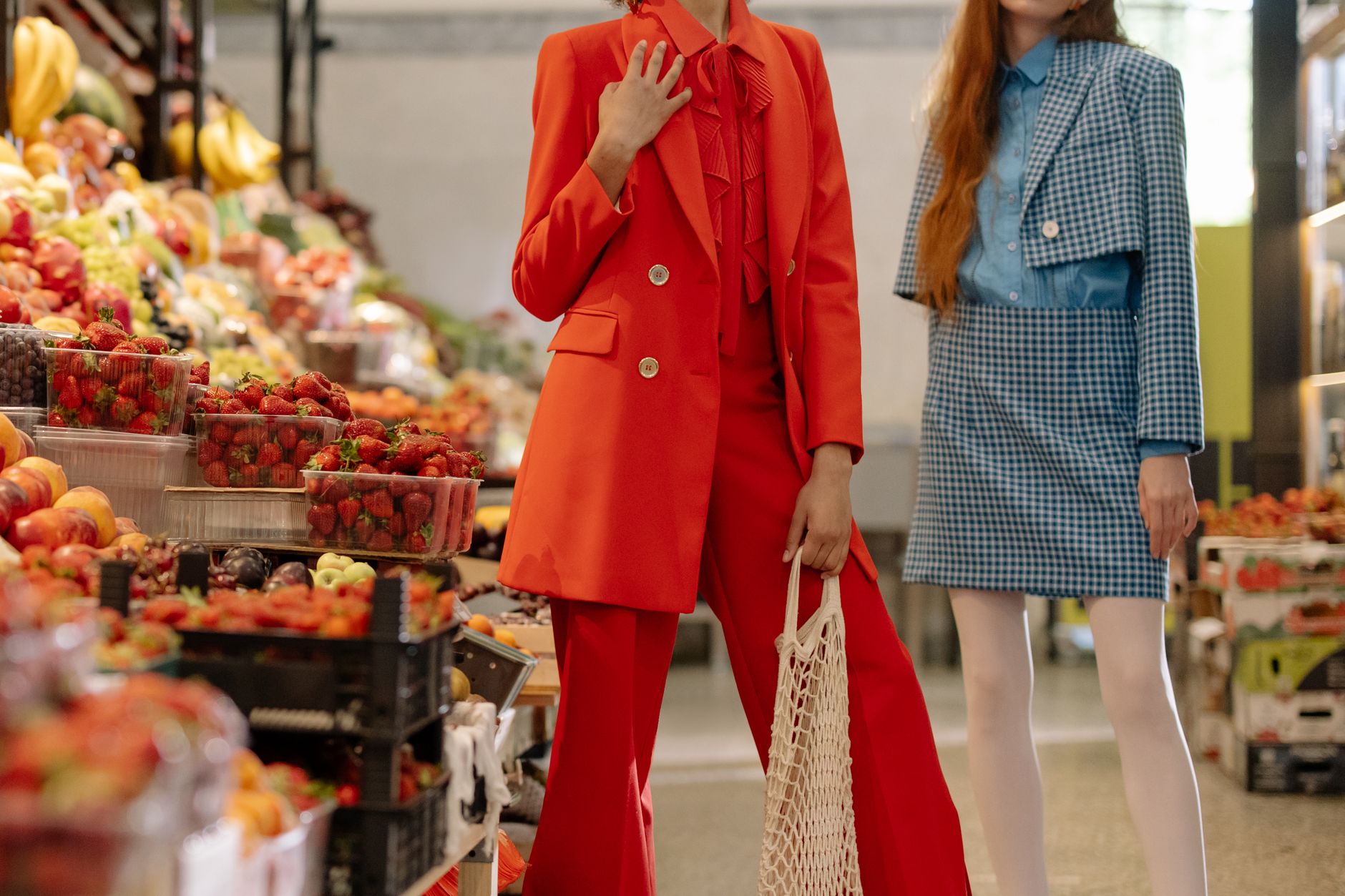
Fashion marketing is a dynamic sector that blends creativity with business strategies to captivate consumers. It encompasses everything from branding and advertising to sales strategies, ensuring that style resonates with audiences in every market segment.
Understanding fashion marketing can empower you to navigate trends effectively while making informed fashion choices. This article will demystify fashion marketing, illustrate outfit ideas, showcase important trends, and provide insights into how it shapes the way we dress.
What Is Fashion Marketing?
Fashion marketing refers to the strategies and practices tailored to promote clothing, accessories, and lifestyle products to consumers. It encompasses identifying target markets, analyzing consumer behavior, and developing campaigns that highlight a brand’s unique style or message. By focusing on appealing visuals, storytelling, and promotional tactics, fashion marketing aims to create a strong emotional connection between the product and potential buyers.
The Elements of Fashion Marketing
Fashion marketing includes several key components essential for effectively promoting fashion brands and products:
- Branding: This involves creating a distinct identity for a fashion line, including logos, taglines, and overall aesthetic.
- Advertising: Utilizing various channels, including social media, print, and digital media, to reach potential customers.
- Public Relations: Managing the brand’s image through media coverage, collaborations, and events.
- Visual Merchandising: The art of displaying products in a compelling way to draw consumers into stores and online platforms.
- Sales Promotion: Short-term incentives like discounts or special offers to boost sales temporarily.
- Market Research: Gathering data about consumer preferences and market trends to inform product development and marketing strategies.
Understanding Consumer Behavior
Fashion marketing thrives on a deep understanding of consumer behavior. By analyzing what influences people’s clothing choices, brands can tailor their offerings more effectively. Key factors include:
- Trends: Consumers often follow trends that reflect their identities and aspirations, making it vital for brands to stay attuned to changes.
- Psychology: Emotional connections, such as nostalgia or belonging, can drive purchasing decisions.
- Demographics: Age, gender, income level, and lifestyle choices all significantly impact fashion preferences and buying habits.
Fashion Marketing Strategies
Implementing successful fashion marketing strategies requires a mix of creativity and analytical thinking. Here are some common approaches:
- Influencer Collaborations: Partnering with social media influencers can enhance visibility and trust among target audiences. This strategy allows brands to tap into existing followings.
- Content Marketing: Creating valuable content, such as style guides and fashion blogs, helps engage and educate consumers while establishing brand authority.
- Personalization: Tailoring marketing efforts to align with individual customer preferences, by utilizing data analytics, can lead to improved customer satisfaction and loyalty.
- Seasonal Campaigns: Launching marketing campaigns around seasonal collections, holidays, or events can generate buzz and drive sales.
How Fashion Marketing Influences Trends
One of the significant impacts of fashion marketing is its role in shaping trends. Here’s how:
- Fashion Shows: Major events showcase upcoming collections, often dictating what will be in vogue for the next season.
- Social Media: Platforms like Instagram and TikTok provide a rapid spread of new styles, influencing consumer choices almost instantly.
- Celebrity Culture: Endorsements and appearances of celebrities in particular styles can set trends that consumers want to emulate.
- Street Style: Trends originating from everyday individuals can gain popularity when picked up by influencers and media outlets, emphasizing the importance of authentic representation.
Outfit Ideas Inspired by Fashion Trends
A fundamental aspect of fashion marketing is the promotion of curated outfits that embody current trends. Below are some classic outfit ideas for various occasions, demonstrating how to integrate fashion trends seamlessly into your wardrobe:
Casual Chic
For a relaxed yet stylish look, consider the following outfit:
- A pair of high-waisted mom jeans for comfort and versatility.
- A fitted white ribbed turtleneck or a graphic tee, depending on the vibe.
- A light denim jacket for layering and texture.
- Chunky white sneakers that add a contemporary touch.
- Accessorize with hoop earrings and a crossbody bag.
This look works well for weekend brunch dates or casual outings with friends.
Business Casual
To maintain professionalism while expressing personal style, try this outfit:
- A tailored blazer in a neutral color like navy or charcoal.
- A crisp, button-up shirt underneath in a soft pastel for a bit of color.
- Straight-leg trousers or fitted ankle pants that complement the blazer.
- Pointed-toe flats or low block heels for comfort.
- A structured tote to keep the look polished.
This ensemble is perfect for office settings or business meetings.
Evening Glam
For an elegant evening look, consider the following combination:
- A little black dress (LBD) for timeless style.
- Statement earrings or a layered necklace to add interest.
- A pair of strappy heels to elevate the outfit.
- A clutch bag to hold essentials.
- Consider a classic red lip to complete the glam effect.
This look is suitable for formal events, dinner parties, or weddings.
Weekend Vibes
On relaxed weekends, comfort is key. Here’s a great option:
- Loose-fitting jogger pants for comfort.
- A cozy oversized sweater to layer.
- Slip-on loafers or stylish slides for ease.
- A crossbody backpack for a hands-free approach.
This outfit is ideal for running errands or lounging at home.
Seasonal Dressing Essentials
Fashion marketing heavily emphasizes adapting styles according to the season. Here’s how to dress thoughtfully throughout the year:
Spring Essentials
As the weather warms up, focus on lighter fabrics and vibrant colors:
- Pastel-colored blouses or dresses paired with lighter denim.
- Floral prints that reflect the season’s freshness.
- Lightweight jackets for cooler evenings.
Summer Staples
For hotter months, prioritizing breathability is key:
- Shorts or breezy skirts made from cotton or linen.
- Flowy tank tops in bright colors.
- Sun hats and sunglasses for protection.
Autumn Essentials
As the leaves change, layering becomes essential:
- Cardigans or lightweight sweaters over long-sleeve tops.
- Boots that provide style and warmth.
- Rich, earthy tones like burgundy, mustard, and forest green.
Winter Wardrobe
Layering and warmth take priority in colder months:
- Thick-knit sweaters paired with tailored trousers or jeans.
- Stylish coats, such as a trench or wool overcoat.
- Scarves and beanies for added warmth.
Understanding Fabrics and Care
Fashion marketing also often involves educating consumers about the choice of materials in garments. Here’s a simple guide to choosing the right fabric and how to care for it:
Common Fabrics
| Fabric | Characteristics | Care Instructions |
|---|---|---|
| Cotton | Breatheable, soft, and versatile. | Machine washable, tumble dry low. |
| Wool | Warm, durable, and often moisture-wicking. | Dry clean or hand wash and lay flat to dry. |
| Polyester | Strong, wrinkle-resistant, and often moisture-wicking. | Machine washable, quick to dry. |
| Silk | Luxurious, lightweight, and drapes beautifully. | Dry clean or wash on a gentle cycle with cool water. |
Fashion Marketing and Inclusivity
A critical shift in fashion marketing is the emphasis on inclusivity. More brands are recognizing the importance of representing diverse body types, genders, and cultures. This moves beyond traditional marketing strategies to embrace individuality:
- Size Inclusivity: Brands are expanding their size ranges to cater to a broader audience.
- Gender-Inclusive Styles: Unisex clothing lines challenge the conventional gender norms of fashion.
- Cultural Representation: Celebrating and showcasing global influences enriches the fashion narrative.
The Future of Fashion Marketing
Looking ahead, fashion marketing is poised to evolve further, embracing technology, sustainability, and consumer engagement:
- Digital Transformation: Brands are adopting e-commerce and social commerce to reach consumers directly.
- Sustainability Initiatives: Eco-conscious marketing will play a crucial role as more consumers prioritize sustainability.
- Augmented Reality: Virtual try-ons and immersive shopping experiences are likely to shape the purchasing journey.
Fashion marketing not only reflects the current landscape but also shapes how we express ourselves through style. By understanding its principles, you can make informed fashion choices that align with both your personal style and the broader trends in the market.
Embrace this knowledge and let it empower you to create outfits that showcase your unique identity. Explore how to style floral dresses for warm-weather occasions or learn more about the intersection of fashion merchandising and marketing through the guides on our website.