
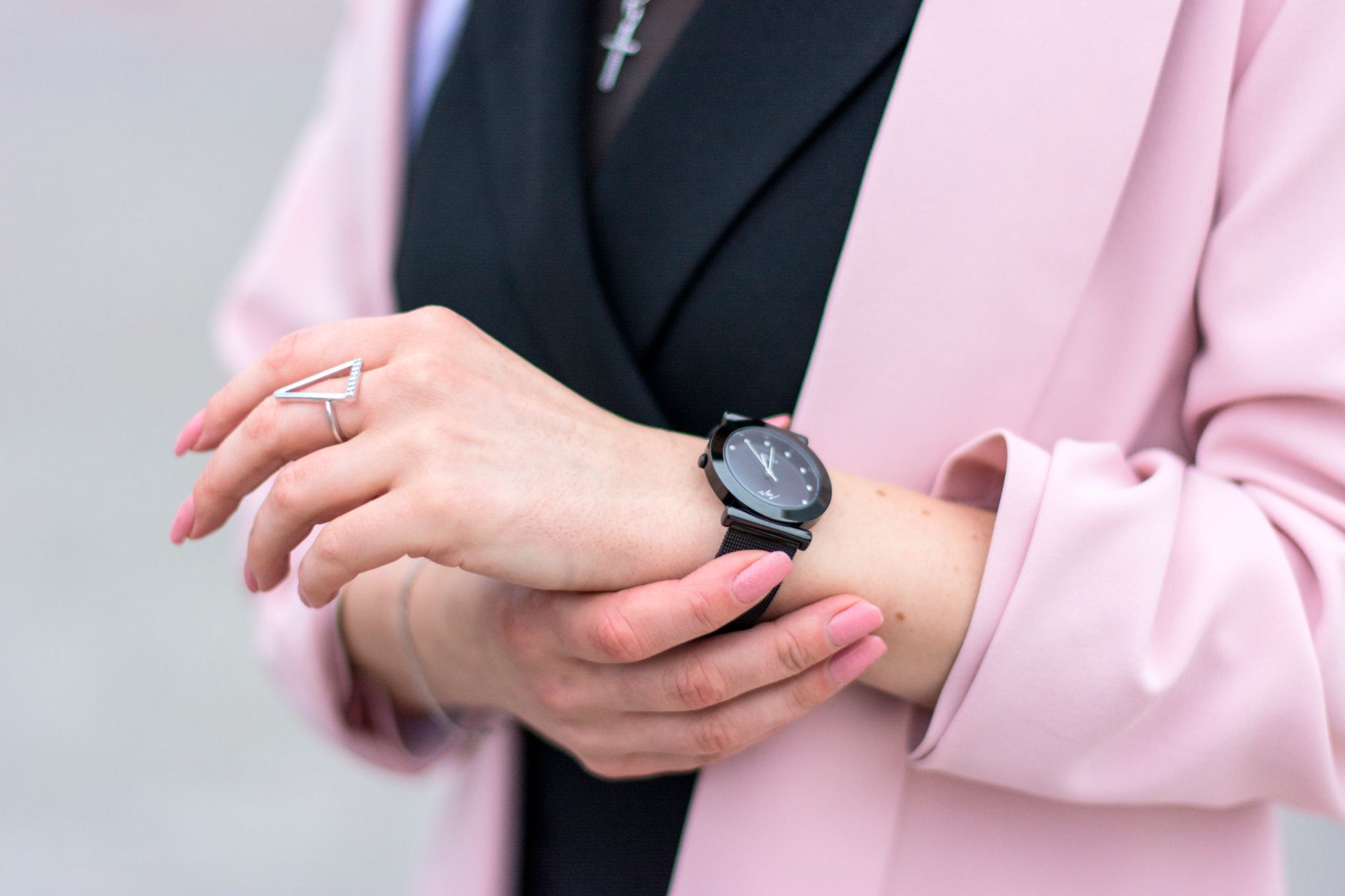
Choosing the right arm to wear a watch on is not just about functionality; it can also be a style statement that reflects personal flair. Traditionally, watches are worn on the non-dominant wrist, but contemporary fashions are breaking these norms. Understanding the implications of your choice can elevate your accessory game.
This guide will delve into the consideration of which arm to wear your watch on, explore styles that suit different occasions, and provide practical care tips to ensure longevity in your timepiece.
What Arm Do You Wear a Watch On?
The conventional wisdom suggests that most people wear their watch on their non-dominant wrist. This is primarily for practicality; wearing a watch on the less active wrist helps prevent it from getting scratched or damaged during daily tasks. For right-handed individuals, this typically means wearing the watch on the left wrist, while left-handed individuals would wear it on the right wrist. However, this is not a hard-and-fast rule, and personal style preferences should also play a significant role in this choice.
Styling Your Watch by Occasion
Your choice of which arm to wear your watch on can depend on various occasions, but the watch itself must also complement your outfit. Here’s how to style your watch for different settings:
Workwear
- Classic Leather Strap Watch: Perfect for formal or business environments, a classic watch with a leather strap exudes professionalism. Opt for a minimalist dial in neutral shades like black or brown. Pair it with tailored shirts and slacks.
- Smartwatch: If your workplace allows for a more casual vibe, smartwatches are practical and stylish. Wear it on your dominant wrist to easily access notifications, and pair with sleek office attire.
Casual Outfits
- Sport Watches: Ideal for weekends and casual outings, robust sport watches can be worn on either wrist. They add a dash of personality to denim or relaxed trousers.
- Colorful Watches: Consider a vibrant watch for a pop of color against a muted outfit. Wear it on your non-dominant wrist to keep the look effortless.
Formal Occasions
- Dress Watches: For formal occasions, choose a sleek, understated dress watch. A thin metal bracelet can be elegant; wear it on your non-dominant wrist to avoid clashing with cuffs.
- Matching Accessories: Ensure that your watch coordinates with other accessories, such as cufflinks or belts, to maintain a polished appearance.
Choosing the Right Fit
The fit of your watch is crucial for both comfort and style. A watch that doesn’t fit well can ruin your look and distract you during the day. Here’s how to achieve the perfect fit:
Measuring Your Wrist
Start by measuring your wrist size using a soft measuring tape. Ideally, your watch should fit snugly, without being too tight or too loose. The correct size allows for slight movement while sitting comfortably against your skin.
Watch Size Proportions
When choosing a watch, consider the case diameter and thickness based on your wrist size. A large case can overpower small wrists, while a tiny watch doesn’t stand out on larger wrists.
- Wrist Circumference Under 6.5 inches: Look for watches with case diameters of 34-38mm.
- Wrist Circumference 6.5-7.5 inches: Opt for watches with case diameters of 38-42mm.
- Wrist Circumference Over 7.5 inches: Choose watches with a case diameter of 42mm or larger.
Layering & Coordination
Watches can serve as statement pieces or subtle accessories depending on how you style them:
Layering Techniques
Layering your watch with other accessories can elevate your outfit. Here are a few ideas:
- Bracelets: Consider pairing your watch with leather or beaded bracelets. For a cohesive look, select colors that complement your watch.
- Rings: Wearing rings on the same wrist as your watch can create a visually interesting balance. Keep the metals harmonious.
Color Coordination
Your watch should also match the color scheme of your outfit. Here’s how to coordinate effectively:
- Neutral Outfits: Almost any watch will work. Choose bold colors for an eye-catching contrast.
- Bold Colors: If your outfit is vibrant, opt for a more muted watch to create balance and avoid overwhelming the look.
Seasonal Dressing with Watches
Different seasons can influence your outfit choices, and watches are no exception.
Summer Styles
- Light Materials: Choose light materials like canvas or silicone straps. These are breathable and pair well with summer attire, such as shorts and light fabrics.
- Colorful Dials: Embrace bright colors or patterns that match the summer vibe; this adds playfulness to your wardrobe.
Winter Styles
- Leather and Metal: Opt for watches with leather straps or metal bracelets. These can give your winter outfits a more sophisticated look.
- Layered Looks: Don’t be afraid to wear your watch on top of layered sleeves for an edgy vibe. Just ensure it still fits comfortably.
Caring for Your Watch
General Maintenance
- Cleaning: Regularly wipe your watch with a soft cloth to remove dust and sweat. For leather straps, use a leather cleaner occasionally to maintain the material.
- Water Resistance: Always check the water resistance specifications of your watch. If it’s not waterproof, avoid exposing it to moisture except when necessary.
Battery and Movement Care
If your watch is battery-operated, replace the battery every 2-3 years. For mechanical watches, regular servicing—usually every 3-5 years—is crucial to keep the gears functioning smoothly.
The History of Watch Wearing
The practice of wearing watches has evolved significantly over the years. In the early 19th century, watches were predominantly worn as pocket watches. The transition to wristwatches began during World War I, where practicality led soldiers to wear watches to keep track of time without fumbling in their pockets.
In the 1920s, wristwatches gained popularity among women as a fashion accessory, while men followed suit in the 1930s, leading to a boom in wristwatch design across various styles. Today, watches symbolize status, elegance, and personal style, offering various options suitable for every taste and lifestyle.
Choosing the Right Watch for Your Style
When selecting a watch, think about your style preference, lifestyle, and intended use. It helps narrow down your choices and helps you select pieces that will complement various parts of your wardrobe.
- Classic Styles: Opt for watches with traditional designs and neutral colors that never go out of fashion.
- Trendy Styles: If you prefer modern looks, explore avant-garde shapes, materials, and vivid colors that express your uniqueness.
- Hybrid Styles: For those seeking versatility, consider hybrid designs that combine features of both classic and trendy styles.
Common Mistakes to Avoid
Even seasoned watch wearers can slip up sometimes. Here are a few typical errors to dodge:
- Wearing an Overly Large Watch: A watch that is too big can distort your proportions and overwhelm your wrist.
- Ignoring the Dress Code: Always tailor your watch choice to the occasion at hand; a sport watch doesn’t belong at a formal gala.
- Neglecting Care: Failing to maintain your watch will diminish its life. Always refer to the manufacturer’s care guide.
Conclusion
Overall, wearing a watch can be an expression of personal style while also providing functionality. Whether you opt for the left or right arm can depend on your preferences, while the type of watch you choose can highlight your outfit and occasion. By considering fit, layering options, and seasonal dressing, your watch can become an integral part of your wardrobe.
To refine your style further, consider exploring our related articles on choosing the right wrist for your watch and how to coordinate colors in your outfits. Discover more outfit inspirations and styling tips to enhance your fashion journey!