
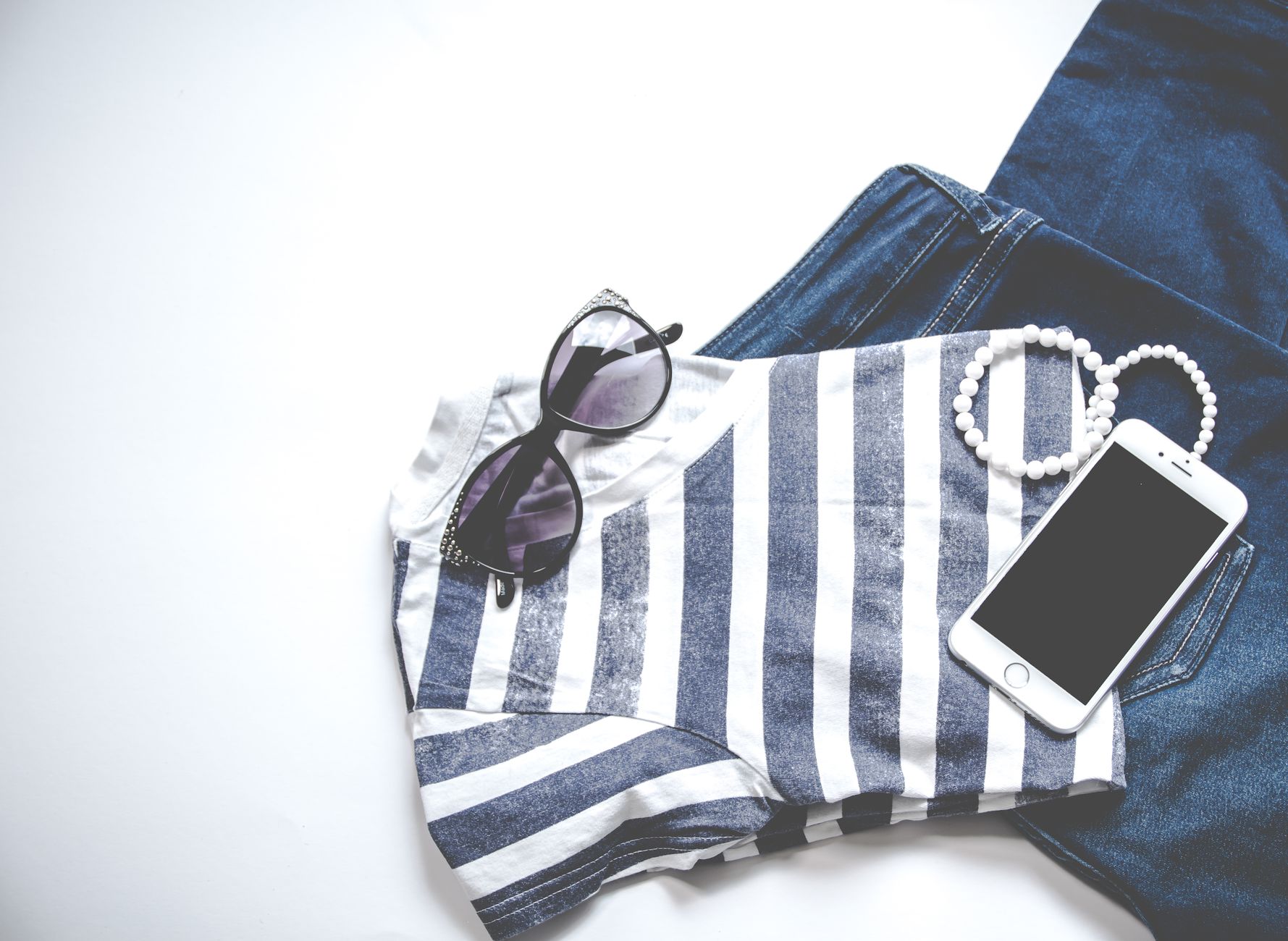
When it comes to fashion, the term “essentials” refers to the key pieces in a wardrobe that form the foundation of your daily looks. These garments are versatile, timeless, and easy to mix and match, ensuring you always have something stylish to wear, no matter the occasion. Understanding what essentials are can significantly simplify your style choices and help you create a wardrobe that works for you.
In this article, we’ll explore the meaning of essentials, their origins, and provide practical style tips for both men and women. Whether you are building a capsule wardrobe or simply seeking to refine your personal style, this guide will help you navigate your fashion landscape with ease.
What Are Essentials?
Essentials in fashion refer to basic wardrobe items that can be easily integrated into a variety of outfits. They are typically characterized by their versatility, timelessness, and adaptability. Essentials are the building blocks of a functional wardrobe, allowing you to create numerous outfit combinations for different occasions, from casual outings to formal events.
The Origins of Essentials
The concept of wardrobe essentials has its roots in minimalist fashion and the capsule wardrobe philosophy. In the 1970s, fashion designer Susie Faux popularized the idea of a capsule wardrobe, emphasizing the importance of quality over quantity. This approach advocates for fewer, high-quality pieces that can be mixed and matched, leading to a more sustainable and organized fashion lifestyle.
Over the years, the definition of essentials has evolved, and today they encompass a range of clothing, footwear, and accessories. Key characteristics of these pieces include neutral colors, classic silhouettes, and fabrics that withstand the test of time. In essence, essentials contribute to a cohesive and personal style.
Wardrobe Essentials: Building Blocks for Your Style
Creating a functional wardrobe begins with identifying key essentials that suit your lifestyle and aesthetic. Below are some fundamental pieces categorized for ease of reference.
1. Tops
- Basic T-Shirts: A collection of well-fitted T-shirts in neutral shades, such as white, black, and gray, can serve as the foundation for numerous outfits.
- Button-Down Shirts: A classic white or light blue button-down shirt can be dressed up or down depending on the occasion.
- Sweaters: Investment in a high-quality, versatile sweater (think crewneck or v-neck) is crucial for layering, especially in cooler seasons.
2. Bottoms
- Jeans: A pair of well-fitted jeans in a dark wash can be styled for casual or smart-casual environments.
- Tailored Trousers: These add sophistication and are ideal for work or formal occasions while remaining versatile.
- Skirts: A-line or pencil skirts in solid colors can transition effortlessly from day to night.
3. Outerwear
- Blazers: A tailored blazer can elevate any look, making it suitable for professional settings.
- Denim Jacket: This timeless piece offers a casual yet stylish layer for daily wear.
- Trench Coat: Perfect for the rainy season, a classic trench coat adds an air of sophistication.
4. Footwear
- White Sneakers: A pair of clean white sneakers can complement a variety of outfits from jeans to dresses.
- Loafers or Oxfords: These polished shoe options work well for both work and formal occasions.
- Boots: Ankle or knee-high boots in versatile colors can enhance outfits during the colder months.
5. Accessories
- Quality Handbag: A structured handbag in a neutral shade can elevate even the simplest outfit.
- Belts: Functional and fashionable, a belt can define your waist and add a finishing touch to any look.
- Scarves: Useful for layering and adding texture, a scarf can be an excellent accessory for both warmth and style.
Creating a Capsule Wardrobe
A capsule wardrobe is a compact collection of essentials that work well together. The goal is to streamline your clothing selection process while ensuring versatility and style. Here’s how to create one:
- Assess Your Current Wardrobe: Sort through your existing clothing items to identify what you wear most often and what easily matches.
Consider donating or discarding pieces that don’t fit well or aren’t versatile. - Establish a Color Palette: Choose a cohesive color palette to guide your selections. Aim for a mix of neutrals and a few accent colors that complement each other.
- Select Versatile Pieces: As discussed, focus on essentials that can be mixed and matched. Keep in mind factors like fabric quality, fit, and style.
- Limit the Number of Items: Aim for a balanced selection, typically between 30-40 items per season, depending on your lifestyle and preferences.
- Consider Seasonal Elements: Adjust your choices with the seasons in mind, incorporating lighter fabrics and brighter colors in warmer months, and thicker materials for winter.
Style Tips for Essentials
Once you have determined your essentials, applying style tips can help you create polished and on-trend outfits.
1. Mix and Match
Take advantage of the versatility of your essentials by constantly mixing and matching them. For example, a classic white button-down shirt pairs beautifully with both jeans and tailored trousers. Consider experimenting with different combinations to see what looks best together.
2. Layering Techniques
Layering adds depth and interest to your outfits. Start with a basic top, add a sweater, and finish with a stylish outer layer like a blazer. Play with different textures, lengths, and weights to create a balanced silhouette. Remember, thin layers work well for warmth without bulk.
3. Accessories Matter
Accessories have the power to elevate basic outfits. A colorful scarf can breathe new life into a simple t-shirt and jeans combination, while statement earrings can add flair to a classic look. Don’t shy away from experimenting with accessories to define your personal style.
4. Fit Is Everything
Ensure that each piece fits well; nothing undermines the style of an outfit like poor fitting clothing. Tailoring can make a huge difference, allowing you to achieve a polished look that flatters your body shape. Even basic essentials can look high-end with the right fit.
5. Consider Fabrics
Choosing the right fabric not only influences the look of an outfit but also its comfort. Natural fibers like cotton, wool, and linen are breathable and comfortable, while synthetic materials may offer durability and stretch. Pay attention to the fabric composition when purchasing essentials.
6. Seasonal Dressing
Adapt your essentials with the seasons. In summer, opt for lighter fabrics and shorter lengths, while in winter, focus on layering and heavier materials to keep warm. Rotate your essentials based on seasonal color palettes to keep your wardrobe fresh year-round.
Occasion Dressing with Essentials
Essentials can also be adjusted to fit various occasions, from casual to formal. The key is to understand how to dress them up or down, depending on the event.
1. Casualwear
For a casual day out, combine a basic white t-shirt with your favorite pair of jeans and white sneakers. Add a denim jacket for cooler weather and accessorize with a crossbody bag and sunglasses for a laid-back vibe.
2. Workwear
For a business casual setting, opt for a tailored pair of trousers and a button-down shirt. Layer with a blazer for added professionalism. Choose loafers or ankle boots to maintain comfort while looking polished.
3. Formal Events
For more elevated settings, consider wearing a little black dress or tailored dress pants with a sleek top. Add strappy heels and a clutch for an elegant touch. Jewelry should be kept simple and understated for a classic appearance.
4. Occasion Dressing
For events like weddings, factor in the dress code. A flowy maxi dress or a stylish jumpsuit can be perfect for summer functions, while tailored jumpsuits or dresses with tailored blazers work for winter weddings. Don’t forget about appropriate footwear and accessories.
Gender-Inclusive Essentials
Wardrobe essentials aren’t limited by gender. Many pieces can be styled for anyone, and the concept of inclusivity is about wearing what makes you feel comfortable. Here are examples of essential pieces that can cross gender lines:
- Oversized Button-Down Shirts: Great for layering and can add a relaxed feel to any outfit.
- Joggers: These can be styled casually or dressed up depending on the top and shoes chosen.
- Neutral Sneakers: A unisex option that works with multiple styles, from sporty to chic.
Garment Care for Essentials
To maintain the longevity of your essentials, proper care is essential. Here are some practical garment care tips:
- Read Care Labels: Always check the care instructions on your clothing labels before washing. Different fabrics have varying requirements.
- Washing: Use cold water for most items to prevent shrinking and fading. Consider using a color-safe detergent for colored clothing.
- Drying: Air dry when possible to prevent wear and tear from the dryer. If using a dryer, use a low heat setting.
- Ironing: Follow the ironing instructions on the care label. Steam can often help to remove wrinkles without excessive heat.
- Storage: Store seasonal clothing appropriately, ensuring they are clean and dry. Use padded hangers for delicate items and fold heavier garments to prevent stretching.
Conclusion
Understanding what essentials are is vital for building a timeless and functional wardrobe. By focusing on versatile pieces, layering techniques, and accessorizing, you can create stylish outfits that reflect your personal aesthetic. Start by editing your wardrobe to identify your essentials, and build from there—the transformation will simplify your style choices and elevate your everyday look.
Ready to refine your wardrobe? Take the first step by considering an outfit combination that mixes and matches some essentials you already own. Explore how to wash your essentials hoodies or why you might want to check if essentials run big to assist in fit and selections.