
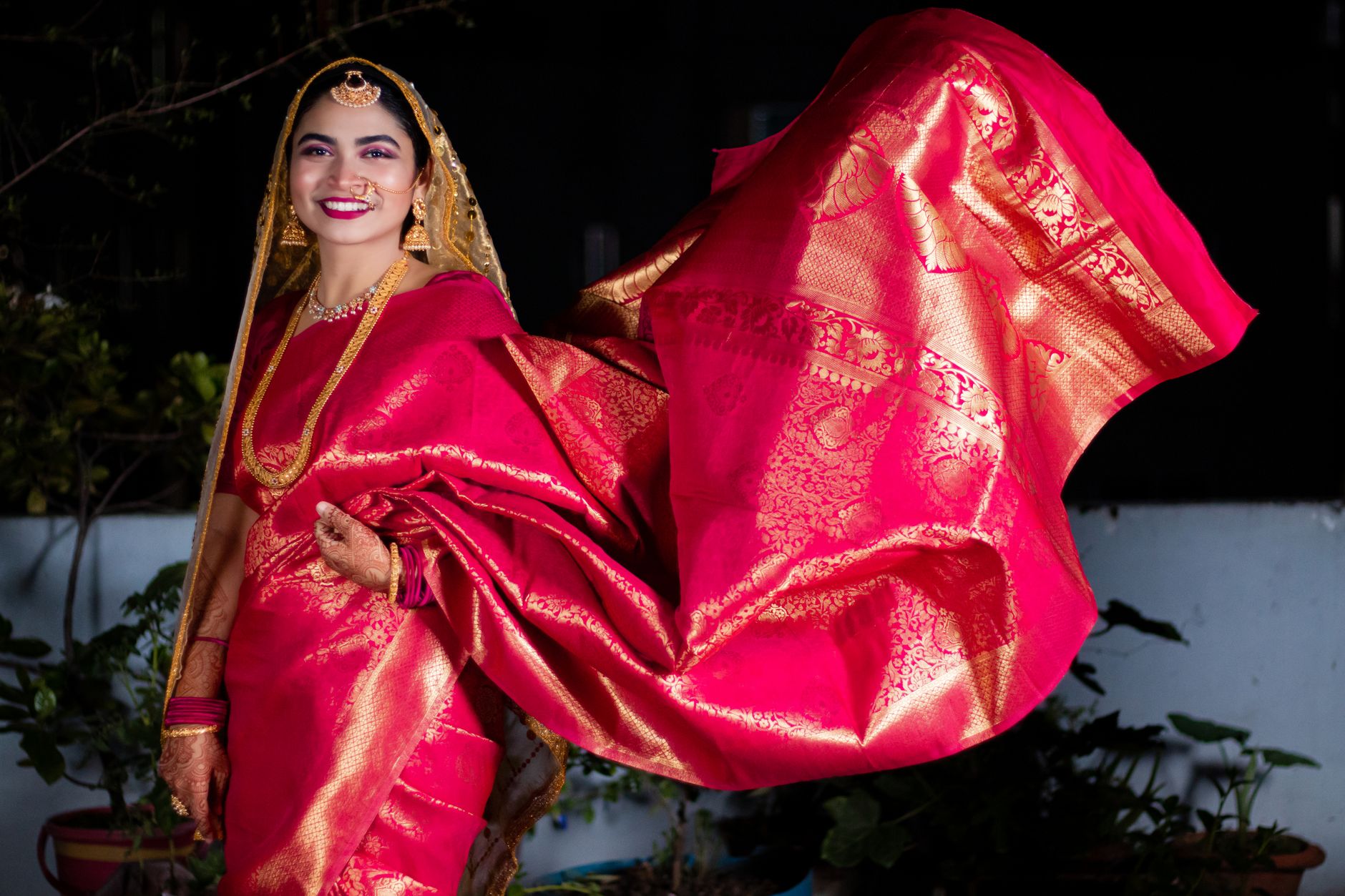
The saree is a timeless garment that showcases elegance, cultural richness, and versatility. Whether you’re dressing for a special occasion, work, or casual outings, knowing how to wear a saree can open up a world of styling possibilities. This guide will walk you through easy styling ideas and practical tips for wearing a saree, embracing your personal style while highlighting the beauty of this traditional attire.
From choosing the right fabric to selecting accessories and footwear, each element contributes to achieving a stunning look. Prepare to explore the different draping styles, color coordination, and outfit ideas that will make wearing a saree feel effortless and fabulous.
How to Wear Saree (Easy Styling Ideas & Outfit Tips)
When considering how to wear a saree, the draping style is the first aspect to tackle. Traditionally, the saree is a long piece of fabric, typically measuring about 5 to 9 yards, that is draped around the body. But how you drape it can change the entire vibe of your look.
The Basics of Draping a Saree
The following steps outline a simple way to drape a saree, suitable for beginners.
- Choose Your Saree and Blouse: Start with selecting a saree that complements your skin tone and body type. Pair it with a well-fitted blouse that suits your style.
- Get the Right Underskirt: A petticoat (underskirt) is essential. Opt for a color that matches or complements your saree.
- Drape the Saree: Begin by tucking the saree into the petticoat at your waist. Wrap it around your body, taking care to smoothen any wrinkles.
- Create Pleats: Gather around 5 to 7 pleats in the front, ensuring they face left. The pleats need to be uniform in size for a polished finish.
- Tuck the Pleats: Tuck the pleats securely into the petticoat at your waist, ensuring they are well-placed and not too loose.
- Over Your Shoulder: Bring the remaining fabric over your shoulder to form the pallu (the part draped over the arm). Adjust its length according to your preference.
- Final Adjustments: Lastly, ensure the saree drapes gracefully. Make adjustments to the pleats and pallu as needed.
Styling Ideas for Different Occasions
The versatility of sarees allows for styling them for various occasions, from casual outings to formal events. Here are some outfit ideas to inspire you.
Causal Wear
For a relaxed look, consider lightweight fabrics like cotton or linen sarees. Pair them with simple jewelry and comfortable sandals.
- Saree: Light cotton saree in pastels or bright colors
- Blouse: Sleeveless or short-sleeved for comfort
- Footwear: Minimalistic flat sandals or juttis
- Accessories: Small stud earrings and a simple bracelet
Office Attire
To wear a saree at work, opt for structured fabrics like silk or georgette. Keep the look professional and modest.
- Saree: Solid-colored or subtle print saree
- Blouse: Half-sleeves or full-sleeves
- Footwear: Closed-toe heels
- Accessories: Minimal jewelry, like a delicate watch
Formal Events
For weddings and formal gatherings, you can go for heavier fabrics embellished with embroidery or sequins.
- Saree: Silk or chiffon saree in rich colors like maroon or navy
- Blouse: Designer or heavily embroidered blouses
- Footwear: Heeled sandals
- Accessories: Statement necklace and chandelier earrings
Festive Occasions
During festivals, indulge in vibrant colors and intricate designs that capture the festive spirit.
- Saree: Banarasi or Kanjivaram saree with gold motifs
- Blouse: Contrast-colored with elaborate detailing
- Footwear: Traditional juttis or embellished sandals
- Accessories: Heavy bangles and a maang tikka
Color Coordination Tips
Understanding color coordination is pivotal in creating cohesive looks. Here are some practical tips.
- Monochromatic Looks: Pair different shades of the same color for a sleek appearance.
- Complementary Colors: Use opposite colors from the color wheel, such as blue with orange.
- Accent Colors: Add a pop of bold color through accessories or your blouse.
- Neutrals: Earthy tones can be paired with bright sarees to balance the overall look.
Fabric Choices for Comfort and Drape
The fabric not only affects how the saree looks but also how it feels. Understanding fabric properties will help you choose the best option for your occasion and comfort.
- Cotton: Lightweight and breathable, ideal for casual wear and summer. It drapes well and is easy to manage.
- Silk: Luxurious and elegant, perfect for formal events. It adds structure and weight to your look.
- Chiffon: Flowing and delicate, excellent for draping but may require a slip underneath for coverage.
- Georgette: Similar to chiffon but slightly thicker, making it forgiving while draping.
- Net: Often used for layering with other fabrics, can create an ethereal appearance when styled correctly.
Accessorizing Your Saree
Accessories can elevate your saree look, adding personal flair and style. Here are key pieces to consider:
- Jewelry: Choose statement pieces or delicate designs depending on the occasion.
- Footwear: Select shoes that complement your saree and are comfortable enough for extended wear.
- Bags: Opt for clutches or potli bags to enhance your look without overwhelming it.
- Hair Accessories: Use decorative pins, flowers, or dupattas to enhance your hairstyle.
Layering Techniques
Layering gives depth to your outfit and can provide modesty or warmth as needed. Consider the following layering options:
- Dupatta: A lightweight dupatta can enhance your saree, add color, and offer coverage.
- Long Jackets: Pairing a saree with a stylish long jacket creates a modern twist while adding warmth.
- Kurtis: Wearing a kurti as an inner layer can provide a chic silhouette.
- Shawls: For winter events, wrap a shawl around your shoulders for warmth and style.
Footwear for Sarees
Your choice of footwear plays a significant role in how comfortable and polished your saree look becomes. Here are popular options:
- Sandals: Open-toe or block-heeled sandals work well for casual and semi-formal looks.
- Juttis: These traditional flat shoes are comfortable and commonly worn with sarees.
- Heels: Choose wedges or stiletto heels for added elegance at formal events.
- Flats: Opt for embellished flats for comfort during longer durations.
Caring for Your Saree
Given the delicate nature of sarees, proper care is essential to maintain their beauty and longevity. Here’s how to care for different fabrics:
Cotton and Silk Saris
- Washing: Hand wash cotton sarees in cold water with mild detergent. For silk, dry cleaning is often recommended.
- Storage: Store sarees in a dry, cool place away from direct sunlight to prevent color fading.
- Ironing: Use a low heat setting for cotton and silk with a thin cloth to avoid direct contact.
Chiffon and Georgette Sarees
- Washing: Gentle hand-wash using a mild detergent, or use dry cleaning for stubborn stains.
- Storage: Hang these sarees to minimize creases, or fold carefully if necessary.
- Ironing: Use low heat; chiffon can melt under high temperatures, so ensure caution.
Embracing the History of the Saree
The saree has a rich cultural history, originating from the Indian subcontinent. Its evolution reflects various cultural influences and regional traditions. Understanding this backdrop can enhance your appreciation and styling of the garment.
Traditionally, sarees were worn as a status symbol by women across different regions, symbolizing grace and femininity. Today, the saree transcends boundaries and is embraced by women globally due to its versatility and appeal.
Sum Up Your Style
In conclusion, learning how to wear a saree is about understanding the draping techniques, choosing the right fabric, color coordination, and accessorizing thoughtfully. Every saree has a story, and how you wear it tells yours. Try different combinations and see what resonates with your personal style.
As you embark on your saree styling journey, consider experimenting with various types of sarees and draping methods. Step out with confidence and embrace the beauty of this traditional garment.
For more information, feel free to explore What is a saree and How to wear a silk scarf to expand your fashion knowledge.