
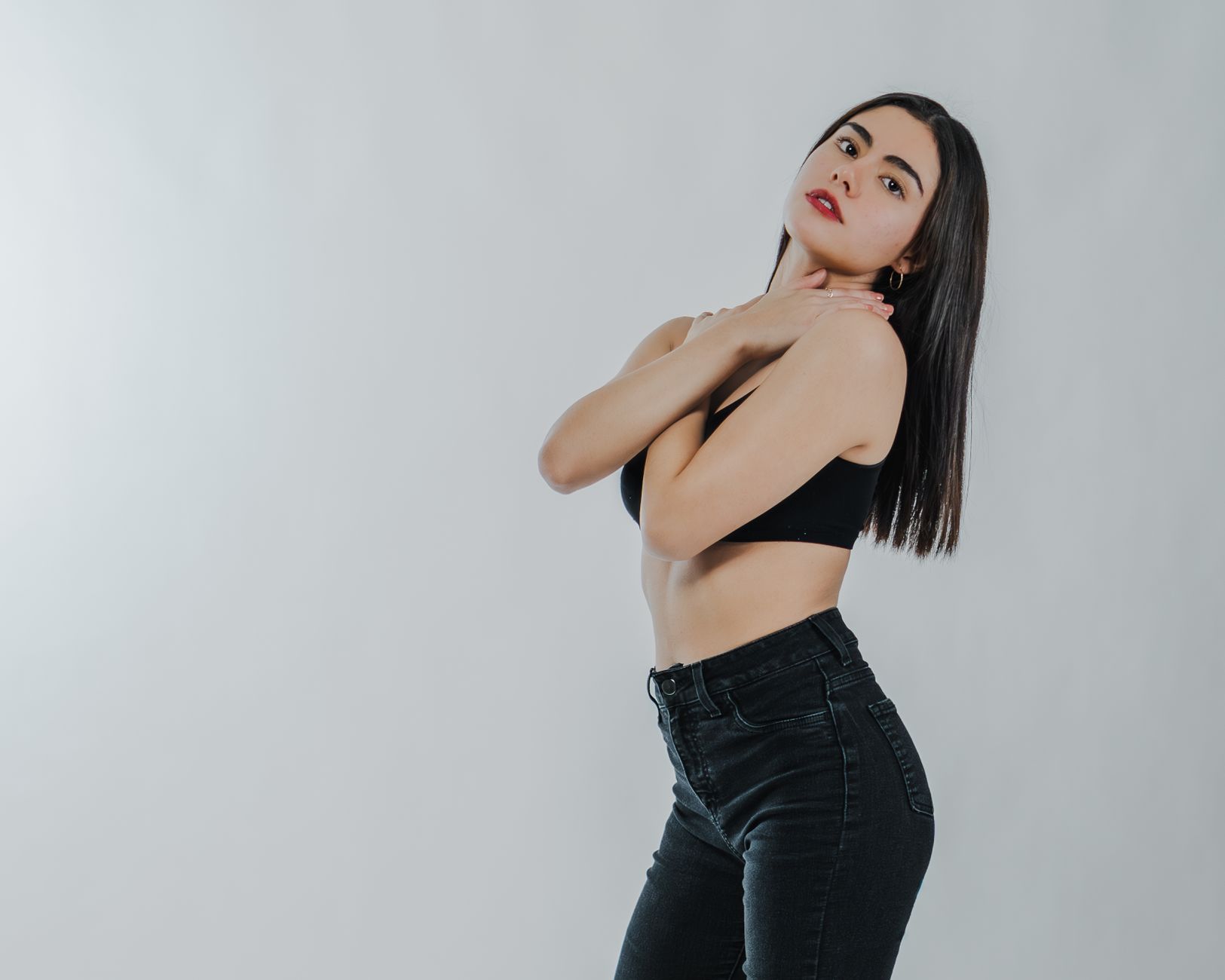
Creating a modeling portfolio is essential for anyone looking to break into the modeling industry. It serves as a visual resume, allowing potential clients and agencies to assess your versatility, style, and suitability for various projects. In this article, you will discover how to build an impressive modeling portfolio through everyday styling tips that elevate your overall look.
Whether you’re just starting out or looking to refresh your existing portfolio, understanding the clothing, accessories, and styling techniques that enhance your personal aesthetics is crucial. This guide will offer practical advice on putting together outfits that not only photograph well but also reflect your distinct style.
How to Get a Modeling Portfolio?
To get a modeling portfolio, focus on curating a collection of high-quality images that showcase your appearance, versatility, and range. Prioritize professional photography sessions, select diverse outfits, and work on your poses to present yourself effectively to potential clients and modeling agencies.
The Importance of a Solid Modeling Portfolio
A well-crafted modeling portfolio showcases your modeling potential and personal style. It should highlight the different aspects of your persona, including:
- Versatility: Showcasing different looks and outfits that enhance your range as a model.
- Professionalism: High-quality images taken by professional photographers create a polished impression.
- Storytelling: Convey your unique style and personality, making you relatable to various clients and audiences.
- Attention to Detail: Showcase your understanding of fit, fabric, and styling.
Choosing the Right Outfits
Your outfit selection plays a pivotal role in your modeling portfolio. To ensure you’re making the right choices, consider these elements:
Understanding Your Personal Style
Your personal style should be the foundation of your portfolio. Consider the following elements:
- Favorite Colors: Identify hues that complement your skin tone and resonate with your personality.
- Silhouettes: Experiment with shapes that enhance your figure while allowing comfort and movement.
- Fabrics: Choose materials that complement your style, such as soft cottons, refined silks, or structured denims.
Creating a Wardrobe Capsule
A wardrobe capsule is a collection of versatile pieces that can be mixed and matched, perfect for modeling. Here are essential items for both men and women:
| Essentials | Description |
|---|---|
| Classic White Shirt | A timeless piece that can transition from casual to formal settings. |
| Tailored Blazer | Adds structure and sophistication to various outfits. |
| Dark-Wash Jeans | A versatile option that can be dressed up or down. |
| Neutral Footwear | Choose solid colors that complement a wide range of outfits. |
| Simple Accessories | Minimalistic jewelry can enhance your look without overwhelming it. |
Styling Tips for Different Looks
Understanding how to style outfits for various occasions can elevate your portfolio. Here’s how to approach diverse styles:
Casual Style
For a casual, relaxed look, consider combinations that are laid-back yet stylish.
- Outfit Example: High-waisted mom jeans, a fitted black turtleneck, and classic white sneakers. Add a denim jacket for an extra layer.
- Why It Works: This look is comfortable and creates a balanced silhouette that flatters most body types.
Workwear Style
Professional attire can be polished yet expressive.
- Outfit Example: A tailored blazer over a soft, silk blouse paired with tailored trousers and pointed-toe flats.
- Why It Works: This outfit demonstrates professionalism while allowing the fabric’s texture to add visual interest.
Formal Style
For formal events, elegance is key.
- Outfit Example: A fitted cocktail dress in a rich jewel tone, complemented with strappy heels and delicate jewelry.
- Why It Works: The dress’s color and fit highlight personal style and sophistication, essential in formal contexts.
Occasion Dressing
Dress for specific events while maintaining versatility.
- Outfit Example: A maxi dress for summer gatherings paired with wedge sandals and a woven tote.
- Why It Works: The flowy silhouette is flattering and comfortable, making it a suitable choice for various occasions.
Layering Techniques
Layering adds depth and versatility to outfits and can enhance their visual appeal. Follow these principles:
- Start with a Base Layer: Select a fitted top or tank as your foundational piece. This layer provides shape and makes it easy to add on top.
- Add Mid-Layers: Include cardigans, blazers, or denim jackets. These pieces can be removed for quick outfit adjustments and add dimension.
- Finish with an Outer Layer: Whether it’s a stylish overcoat or a scarf, your final layer should protect against the elements while completing your look.
Color Coordination
Understanding color matching is vital for creating cohesive outfits. Use these tips:
Complementary Colors
Choose colors opposite each other on the color wheel for striking contrasts. For example:
- Blue and orange
- Purple and yellow
- Red and green
Analogous Colors
Picking colors next to each other creates a more understated but elegant look:
- Blue, teal, and green
- Yellow, gold, and orange
- Pink and purple
Neutrals and Accents
Use neutrals to ground your outfits and add pops of color through accessories:
- Examples of Neutrals: Black, white, beige, and grey.
- Pops of Color: Incorporate vibrant shoes, bags, or jewelry.
Fabric Choices and Care
The type of fabric can significantly influence the overall look of an outfit. Here’s what to consider:
Popular Fabrics
- Cotton: Breathable and comfortable, ideal for everyday wear.
- Wool: Great for layering and colder climates, offering warmth.
- Silk: Luxurious and elegant, perfect for formal occasions.
- Linen: Lightweight and perfect for summer styles.
Garment Care Essentials
Maintaining the quality of your clothing is crucial. Follow these caring guidelines:
- Read the Care Label: Always check washing and drying instructions.
- Store Properly: Hang items that can crease, and fold heavier garments to avoid stretching.
- Clean Stains Promptly: Address spills immediately to prevent lasting marks.
- Use Appropriate Detergents: Choose mild cleansers that won’t damage fabric fibers.
Working with Photographers
High-quality photographs are critical for your modeling portfolio. Here are some tips on how to collaborate effectively with photographers:
Research Photographers
Look for photographers who specialize in fashion and modeling portfolios. Check their past work to ensure their style aligns with your vision.
Prepare for the Shoot
- Communication: Clearly discuss concepts, outfits, and styling ideas beforehand.
- Outfit Planning: Bring multiple outfits to offer a range during the shoot.
- Practice Posing: Work on your poses ahead of time to feel more comfortable in front of the camera.
Assembling Your Portfolio
Once you have the images, consider these important factors for assembling your portfolio:
Image Selection
Curate a mix of images that highlight your versatility:
- Close-ups: Showcase facial expressions and beauty.
- Full Body Shots: Demonstrate outfits’ fit and styling.
- Action Poses: Capture movement to illustrate fluidity.
Layout and Presentation
The layout of your portfolio should be coherent and visually appealing:
- Start Strong: Place your best images at the top to capture attention immediately.
- Keep it Simple: Avoid overcrowding; allow breathing room around each image.
- Add Information: Include basic details, such as your name, measurements, and contact information.
Final Tips for Building Your Modeling Portfolio
As you finalize your portfolio, remember the following:
- Stay Authentic: Your portfolio should reflect who you are as a person and a model.
- Seek Feedback: Get honest critiques from professionals or peers to enhance your collection.
- Keep Updating: Refresh your portfolio regularly to depict your evolving style and growth.
Building a modeling portfolio requires careful consideration of outfit selection, styling techniques, and the presentation of your best work. By leveraging these everyday styling tips, you will be well on your way to creating an engaging and visually captivating portfolio that effectively showcases your modeling potential. With a thoughtful approach and attention to detail, you can present yourself confidently to clients and agencies alike.
If you’re ready to take the next step on your modeling journey, explore our guides on how to become a model and how to get signed by a modeling agency for further insights and inspiration.