
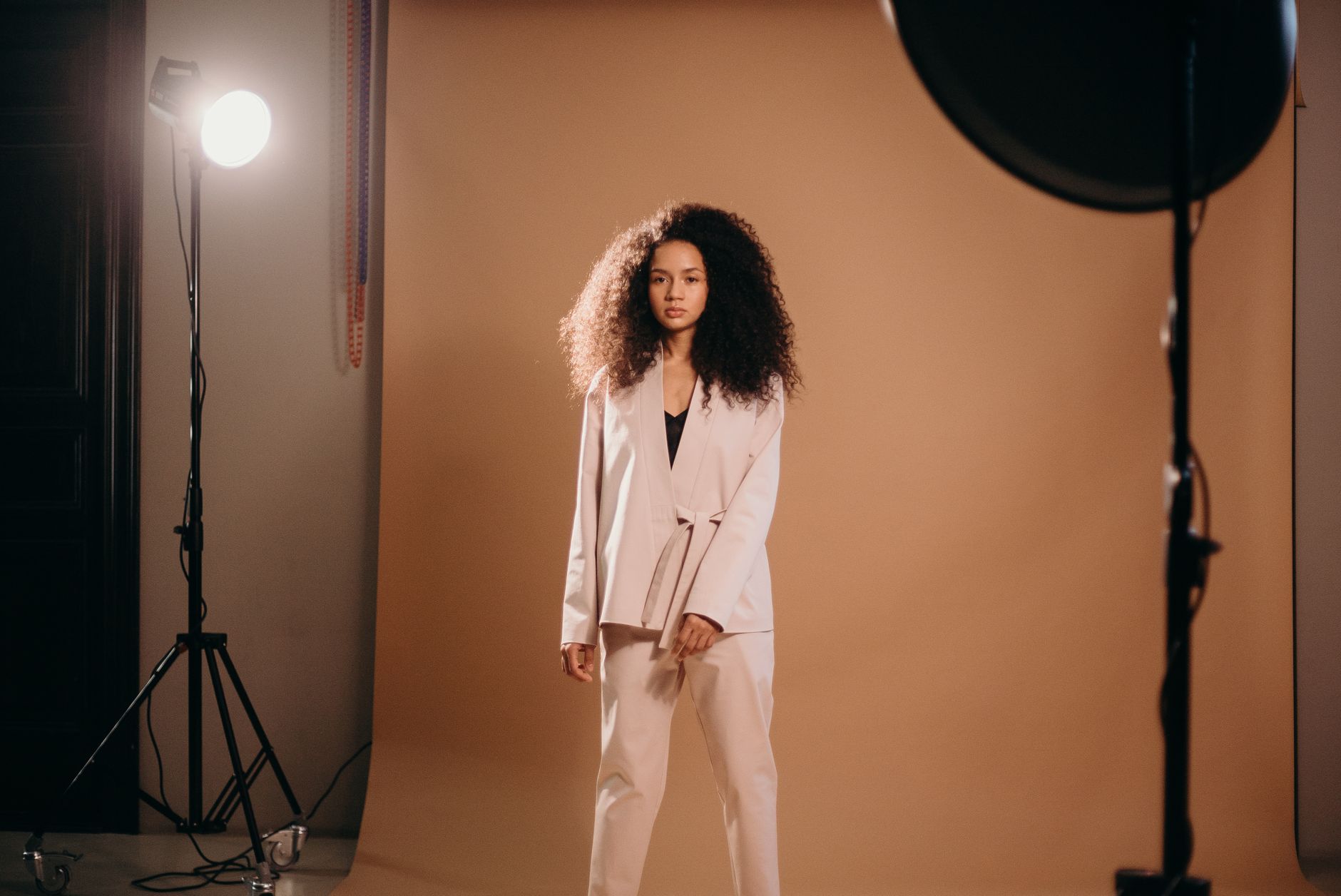
When it comes to the glitzy world of fashion, many wonder about the financial prospects of being a model. The question “How much do models make a year?” not only piques curiosity but also opens up discussions about the various career paths within the modeling industry. In this guide, we’ll explore different types of modeling, annual earnings, and provide insight into the essential wardrobe a model might need, alongside tips for enhancing personal style.
The income of models can vary widely depending on their experience, type, and geographic location. It’s essential to understand these factors to gain a clearer picture of what aspiring models can expect in terms of compensation and career growth.
How Much Do Models Make a Year?
The answer to how much models make varies significantly based on several factors including their specific niche within the modeling industry, experience level, and job opportunities. Generally speaking, models in the fashion industry can earn from an average of $20,000 to over $500,000 per year.
Here’s a breakdown of what different types of models earn on average:
- High Fashion Models: Typically earn between $30,000 to over $500,000 annually, depending on their demand and the prestige of the brands they work with.
- Commercial Models: Average salaries can range from $20,000 to $100,000, often depending on the market needs and type of engagements.
- Plus-Size Models: These models can earn between $25,000 to $100,000, particularly if they are working with prominent brands and campaigns.
- Runway Models: Their annual earnings can range from $30,000 to over $1 million, particularly for those walking for major fashion houses.
- Fitness Models: Generally earn between $20,000 to $150,000 depending on their level of exposure and endorsements.
- Hand Models: Similar to other commercial models, their income can range from $10,000 to $100,000 annually, depending primarily on the demand for their work.
Types of Models and Their Earnings
Models can be categorized into various types based on the sectors they represent. Knowing these categories helps demystify the pay structure within the industry.
Fashion Models
Fashion models are often seen on runways and in high-end fashion magazines. They are hired by renowned designers and brands during fashion weeks, which greatly increases their visibility and earnings. A successful fashion model can earn substantial sums, particularly if they land major contracts.
Commercial Models
Commercial models work with brands for advertisements, catalogs, and lifestyle campaigns. Their earnings can be more stable compared to runway models because of the broad range of industries they can work in, from beauty to home goods.
Plus-Size Models
With the growing movement towards body positivity, plus-size models have started to gain significant ground in the industry, leading to more job opportunities and competitive salaries that can mirror those of traditional fashion models.
Child and Teen Models
Child models can have earnings as varied as their adult counterparts, often influenced by the type of work they do, whether it is for fashion magazines, commercials, or television. The compensation can fluctuate widely based on demand and project complexity.
Fitness Models
Fitness models typically represent athletic wear brands and health-centered products. Their earnings can be very lucrative, especially if they are associated with larger health brands and endorsements.
Hand and Parts Models
Hand and parts models are hired specifically for their hands or other body parts for advertisements. While their work can be demanding, they can earn a solid income because of their niche specialization.
Factors Affecting Model Salaries
Several factors impact how much models make, including:
- Experience: Models with more experience and a robust portfolio usually command higher fees.
- Location: Major cities like New York, Paris, and Milan offer more opportunities, but also come with higher competition.
- Niche Specialization: Models who specialize (such as fitness or plus-size) may have different pay scales based on industry demand.
- Agency Representation: Models signed with reputable agencies tend to receive better job offers and higher pay.
- Availability for Gigs: Models willing to travel often have more opportunities and potential earnings.
Building a Model’s Wardrobe
Regardless of the type of modeling, the wardrobe choices a model makes are crucial for their professional image. Here’s a guide to essential pieces that can make a model stand out, regardless of their niche.
Essential Pieces for a Versatile Wardrobe
- Classic White T-Shirt: A simple, well-fitted white tee serves as a versatile base layer.
- Tailored Blazer: A structured blazer can elevate any outfit, making it suitable for both casual and professional settings.
- Neutral Dress Pants: These are essential for creating polished looks and can be mixed with different tops.
- Little Black Dress: A timeless piece that can transition from day to night with the right accessories.
- Jeans: A good-quality pair of jeans in a classic fit are essential for casual occasions.
- Footwear Variety: From classic heels to chic sneakers, it’s crucial to have a selection of shoes that fit various styles.
- Layering Pieces: Cardigans, turtlenecks, and tanks are great for adding dimension to an outfit.
- Accessories: Statement jewelry or classic watches can add personal flair to any look.
Styling Tips for Aspiring Models
To make a significant impact in modeling, aspiring models should pay attention to their styling and overall presentation. Here are practical tips to keep in mind:
Fit and Silhouette
The fit of your clothing is crucial. Ensure that your garments complement your body shape, enhancing your figure rather than hiding it. Understanding your best silhouettes can dramatically improve your overall appearance.
Color Coordination
Using a cohesive color palette can elevate your style. Neutral colors often create a classic look, while bold colors can make statements. Learn to mix and match to create outfits that showcase your personality.
Layering Techniques
Mastering the art of layering not only keeps you stylish but also allows for versatility in temperature changes and environments. For instance, pairing a fitted turtleneck under a dress or a blazer can transform a simple outfit into a statement ensemble.
Seasonal Dressing
Be mindful of seasonal trends. Investing in quality staples that adapt to seasons will enhance your wardrobe longevity. For example, lighter fabrics in summer can transition to thicker textures in winter, providing style without compromising comfort.
Footwear Choices
Footwear can make or break an outfit. Opt for styles that suit the occasion, whether it’s chic boots for autumn outings or sleek flats for summer events. Choose comfort and style to ensure you can carry off any look with confidence.
Accessorizing Wisely
Strategic accessorizing can elevate a simple look. A bold necklace or an elegant watch can become focal points of your outfit, enhancing even the most basic ensembles.
Garment Care: Preserving Your Fashion Assets
Maintaining a model-like wardrobe goes beyond just selection; careful garment care is vital. Here are important considerations:
Washing Techniques
Follow the care labels specific to each garment, as this will help preserve fabric quality. For delicate fabrics, consider hand washing or using a gentle cycle.
Storage Solutions
Appropriate storage ensures garments maintain their shape. Invest in good-quality hangers for dresses and structured items, while delicate pieces can be stored flat to avoid creasing.
Seasonal Wardrobe Management
Rotate your wardrobe seasonally. Store off-season clothes properly to prolong their life and ensure your current wardrobe remains organized and easily accessible.
Conclusion
Understanding how much models make a year offers insight into the industry and informs aspiring models about their potential earnings. As models curate their personal style with versatile wardrobes, attention to fit, color, and seasonality enhances their presentation and professional appeal.
Next time you’re putting together an outfit, consider trying combinations that balance structure with comfort, and don’t hesitate to explore your style through thoughtful layering and accessory choices. For those interested in further exploring modeling careers, you might find it enlightening to read about hand modeling earnings and fashion designer salaries. What will your next outfit say about you?