
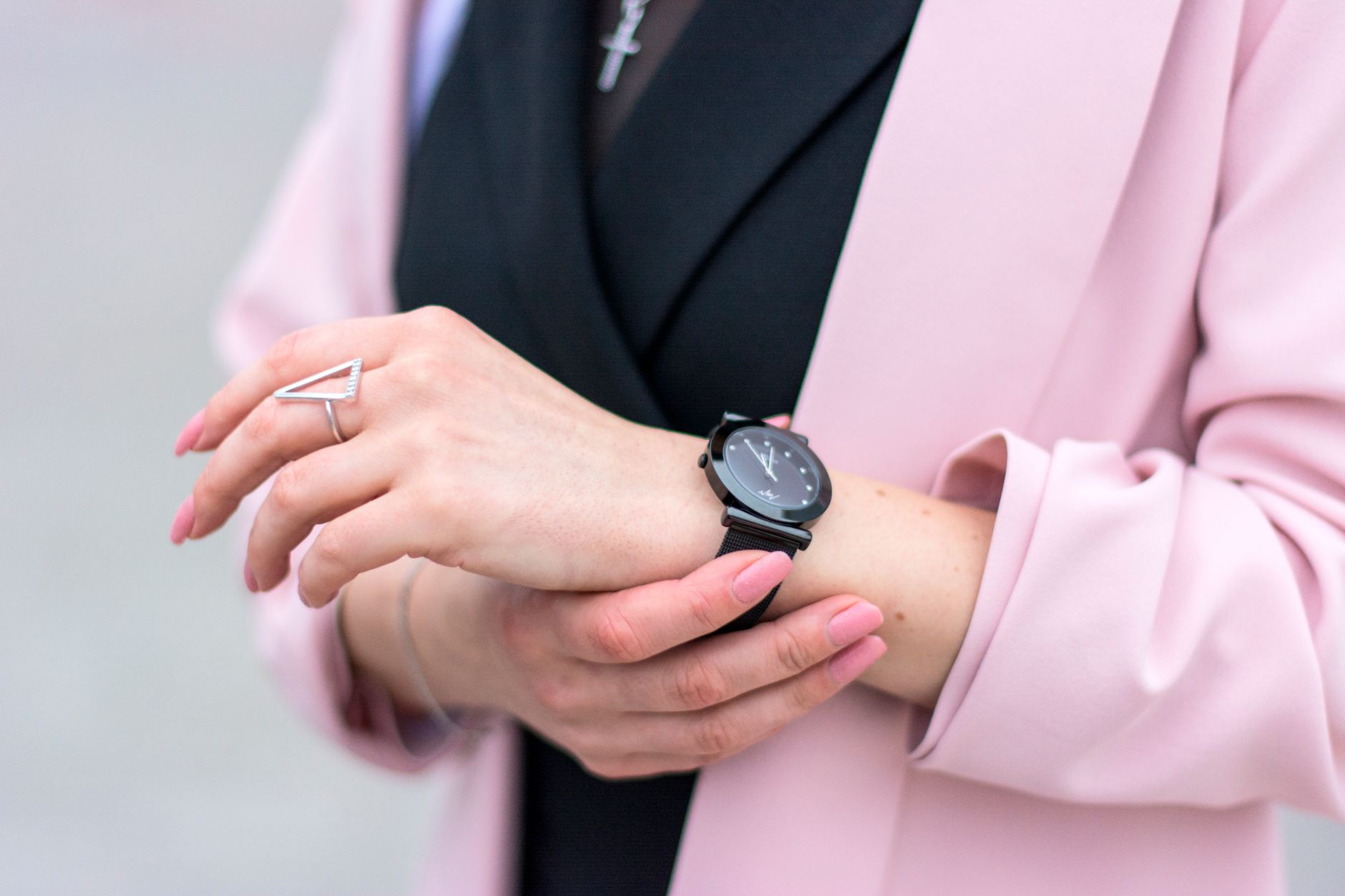
When it comes to wearing a watch, one question often arises: What wrist do you wear a watch on? While the wrist you choose can reflect personal style, it can also convey functionality, tradition, and accessibility. This guide will explore the factors influencing your decision, the practicality of wearing a watch, and how it fits into broader jewelry and outfit styling.
The choice of wrist can depend on several factors, including your dominant hand, comfort, and the style of the watch itself. Let’s dive into the various considerations that will help you make the best decision when it comes to wearing a watch.
What Wrist Do You Wear a Watch On?
Traditionally, most people wear their watches on the non-dominant wrist. For right-handed individuals, this means the left wrist, while left-handed individuals often opt for the right wrist. This orientation allows for ease of access when checking the time and reduces the likelihood of damaging the watch during daily activities.
However, as personal style evolves, the rules can become more flexible. Ultimately, wear your watch on the wrist that feels most comfortable for you, regardless of tradition. Experimenting with different placements can enhance your overall look and reflect your unique style.
Factors to Consider When Choosing Your Watch Wrist
1. Comfort and Functionality
Comfort is a primary factor when deciding which wrist to wear your watch on. Consider how you primarily use your hands throughout the day. If your job or daily activities require a lot of movement with one hand, wearing the watch on the opposite wrist can help prevent it from getting bumped or damaged.
2. Watch Style and Size
The style and size of the watch also play significant roles. A larger, bulkier watch might feel more balanced on a larger wrist. If you have a petite wrist, a smaller watch might look more proportional and elegant. Here are some common watch styles and suggestions for corresponding wrist choices:
- Dress Watches: Typically thinner and more elegant, these can be worn on either wrist, depending on personal preference.
- Sport Watches: Often bulkier and made for durability, these can be worn on the dominant wrist for ease of functionality.
- Smartwatches: These can be worn on either wrist but may look more suitable on the wrist opposite your dominant hand for optimal usability.
3. Jewelry Layering
Your choice of wrist can also impact how you layer jewelry. If you tend to wear bracelets, bangles, or other accessories, consider how they will stack with your watch. Wearing a watch on your non-dominant wrist can free up your dominant wrist for more jewelry layering options.
Customizing Your Watch Placement for Style
Choosing a wrist for your watch is also an opportunity to express your style. Here are some creative ways to customize your watch placement:
1. Layering with Other Accessories
When you wear a watch in conjunction with other jewelry, layering can enhance your overall outfit. Here are a few layering tips:
- Pair delicate chains or beaded bracelets with a slim watch on your dominant wrist for a chic, stacked look.
- For a bolder statement, wear chunky bracelets alongside a larger watch on your non-dominant wrist.
- Mix metal finishes; wearing a gold watch with silver bracelets can add an eclectic touch.
2. Personalizing Your Watch
Accessorizing your watch can also make it feel more personal. Consider:
- Changing the strap: A leather strap can add sophistication, while a fabric strap might bring a casual vibe.
- Engraving your watch: Adding initials or a meaningful date can elevate the sentimental value of your timepiece.
Fashion Considerations for Watch-Wearing
Integrating your watch into your overall outfit requires an understanding of style, occasion, and personal aesthetic. Below are a few considerations to ensure you wear your watch with confidence.
1. Outfit Coordination
Choosing the right watch to match your outfit is crucial. Here are some outfit suggestions based on different settings:
Casual Wear
For casual outings or everyday wear, opt for a sport or smartwatch. Pair it with:
- A classic white t-shirt
- Well-fitting jeans or chinos
- Comfortable sneakers or loafers
Office Wear
In a professional setting, a sleek dress watch can enhance sophistication. Consider pairing it with:
- A tailored blazer over a crisp button-up shirt
- Tailored trousers or a pencil skirt
- Oxford shoes or classic pumps
Formal Wear
For formal events, opt for an elegant timepiece that matches the formality of your attire. Integrate it with:
- A classic black tuxedo or an evening gown
- Elegant cufflinks for added sparkle
- Stylish dress shoes, such as patent leather Oxfords or elegant high heels
2. Seasonal Considerations
Your choice of wrist may also depend on the season. Consider adjusting your accessories based on the weather and outfit layers:
- In Warm Weather: Opt for light, breathable watch straps such as mesh metal or fabric for comfort.
- In Cold Weather: Layering may require a bulkier watch; consider thicker straps that can fit over clothing.
The Influence of Dominant Hand on Watch Placement
Understanding the implications of your dominant hand can affect not just functionality but also how you express your style.
Right-Handed Individuals
Most right-handed people wear their watches on the left wrist. This allows easy access to adjust or check the time without removing the watch. Consider this placement to avoid hindrance during activities such as writing or cooking.
Left-Handed Individuals
For left-handed individuals, wearing a watch on the right wrist is common. This choice keeps the watch protected while allowing for easy viewing. Nevertheless, some left-handers may opt for the left wrist for aesthetic purposes, especially if they prefer a certain look or want to layer more accessories.
Breaking the Norm: Non-Traditional Watch Wearing
Fashion is about self-expression and breaking free from conventional norms. While comfort and tradition often dictate watch placement, here are some trends to consider:
1. Wearing Two Watches
Combining two watches—one for style and one for functionality—has become trendy. This dual-wrist method allows for versatility in style while ensuring you remain punctual.
2. Mixing Accessories
Combining your watch with bracelets, cuffs, or even rings can create a standout aesthetic. This look showcases unique layers, allowing you to showcase personal style without conforming to a single wrist rule.
Practical Care Tips for Your Watch
1. Regular Cleaning
Wipe your watch regularly with a soft, lint-free cloth to remove moisture and dirt. Take care not to use abrasive materials to avoid scratches.
2. Avoiding Water Damage
Even water-resistant watches can be affected by saltwater and chlorinated water. Avoid prolonged exposure by removing your watch before swimming or bathing.
3. Battery Replacement
If you have a quartz watch, remember to replace the battery every couple of years. Consider getting it serviced by a professional to check for any other maintenance needs.
Conclusion
The choice of which wrist to wear your watch on is subjective and can enhance your overall style. Whether you lean towards tradition by wearing it on your non-dominant wrist or explore new frontiers by mixing and layering, your watch can be an integral part of your fashion identity. Ultimately, wear your watch in a way that feels right and reflects your unique style.
As you think about your jewelry and outfit choices, consider experimenting with different layering techniques or outfit combinations. For further exploration, check out how Michael Jackson styled his gloves or learn more about the guidelines for where to wear a watch.