
When heading to physical therapy, comfort and functionality are essential. However, this doesn’t mean sacrificing personal style. The ideal outfit balances ease of movement, breathable fabrics, and a flattering fit, providing the support and flexibility you need during your session. Let’s explore what to wear to physical therapy with some practical tips and outfit ideas.
In this guide, we’ll cover choices for men and women, discuss fabrics and styles that facilitate mobility, and even touch on how to dress across different seasons while maintaining a fashionable edge. So whether you’re recovering from an injury or working on mobility, getting dressed for physical therapy can be a breeze!
What to Wear to Physical Therapy?
When deciding what to wear to physical therapy, aim for comfortable clothing that allows you to stretch and move freely. Consider layers, breathable fabrics, and proper footwear to ensure you can perform exercises while feeling confident and stylish.
Understanding Fit and Comfort
Fit is critical when selecting your therapy outfit. You want garments that provide enough room to move but don’t overwhelm your frame. Here are a few points to consider:
- Choose Stretchy Fabrics: Fabrics like spandex, cotton blends, or moisture-wicking materials allow for flexibility and breathability.
- Prioritize Your Body’s Needs: If you require additional support (like a back brace or knee support), factor that into your outfit choice.
- Layer Wisely: Depending on your therapy location and climate, add layers to accommodate temperature changes.
Suggested Outfit Combinations
Below are some outfit combinations for different gender identities that cater to a variety of styles while ensuring comfort during physical therapy:
Women’s Outfit Ideas
-
Classic Athleisure:
- A fitted moisture-wicking tank top
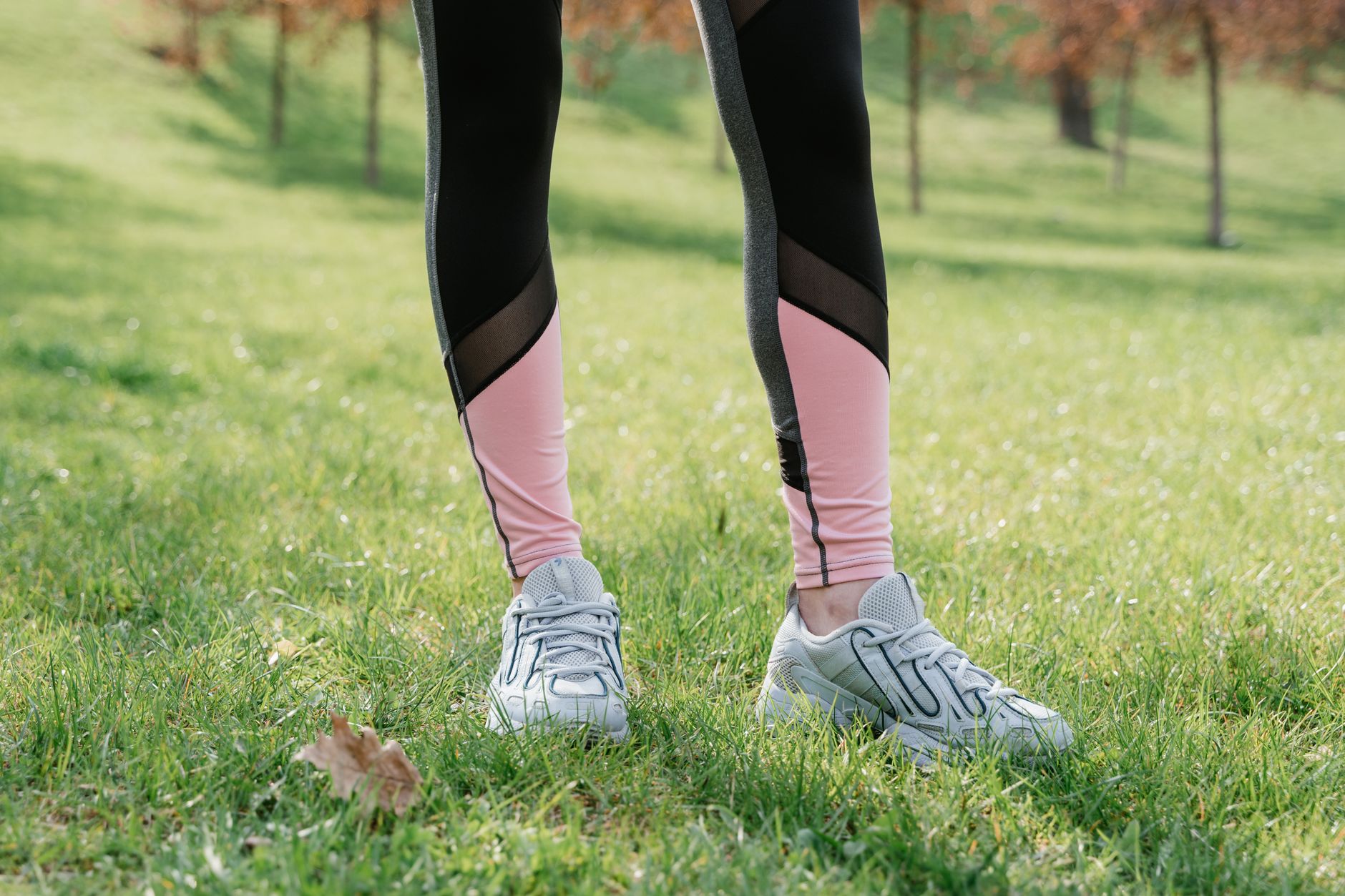
- High-waisted yoga pants with ankle length
- Comfortable sneakers
This combination allows for optimal movement and flexibility, perfect for various therapy exercises.
-
Layered Look:
- Soft long-sleeve stretch tee
- Sporty zip-up hoodie
- Wide-leg joggers
- Stylish slip-on trainers
The layering gives you warmth and ease to adjust during your session.
-
Casual Chic:
- Loose-fitting tunic with breathable fabric
- Leggings with a longer inseam for coverage
- Fashionable slip-on shoes with good arch support
This outfit is both fashionable and functional, ensuring comfort during any maneuver.
Men’s Outfit Ideas
-
Sporty Ensemble:
- Moisture-wicking short-sleeve polo
- Flexible athletic shorts
- Comfort fit sneakers
This optimal mix provides breathable layering with movement allowance.
-
Relaxed Fit:
- Tapered joggers
- Lightweight cotton t-shirt
- Training shoes
This relaxed fit doesn’t compromise style or mobility.
-
Layered Athletic:
- Long-sleeve training top
- Open-front athletic cardigan
- Chinos in a stretchy fabric
- Supportive trainers
This layered look is perfect for outdoor physical therapy sessions.
Choosing the Right Fabrics
Fabric choice can greatly affect your experience during physical therapy. Here’s a breakdown of some ideal fabrics:
- Cotton: Soft, breathable, and easy to wash. Perfect for lighter workouts.
- Spandex: Offers stretch and flexibility. Essential for movement-heavy sessions.
- Polyester or Nylon Blends: Moisture-wicking properties keep you dry and comfortable.
- Mesh Fabrics: Perfect for breathability, keeping you cool during workouts.
Layering for Comfort in Different Seasons
Your wardrobe can remain flexible by incorporating layers that adapt to seasonal weather. Here are suggestions for dressing across seasons:
Spring
- Choose light tank tops with a breathable long sleeve shirt for chilly mornings.
- Add light layering pieces like a zip-up jacket that can be easily removed during warm-ups.
Summer
- Opt for breathable shorts and tops to stay cool.
- Consider moisture-wicking capris or leggings if you prefer a longer leg option.
Autumn
- Incorporate light sweaters over your exercise apparel.
- Wear leggings to provide extra warmth for cooler temperatures.
Winter
- Focus on thicker layers, like thermal tops beneath your workout gear.
- Select full-length pants to preserve body heat during your session.
Footwear Choices Matter
Footwear suitability is crucial for comfort during therapy sessions. Here’s a breakdown of footwear considerations:
- Sneakers: Look for supportive, cushioned options that offer good arch support and traction.
- Slip-On Shoes: Ideal for easy on-and-off but ensure they maintain good support and stability.
- Sandals: If the weather permits, choose supportive sandals designed for active use, ensuring they don’t impede movement.
Accessorizing Thoughtfully
While accessories during physical therapy may be minimal, a few items can enhance your comfort:
- Lightweight Sweatbands: Great for absorbing sweat and keeping your hair back.
- Supportive Bracelets: If prescribed, ensure they are easy to remove.
- Small Gym Bags: Practical for carrying necessary items like water bottles, towels, or detachable sleeves.
Wardrobe Essentials for Physical Therapy
Building a capsule wardrobe will help simplify choices for physical therapy. Incorporate these essentials to ensure you’re constantly prepared:
- 1-2 moisture-wicking tops
- 2-3 pairs of flexible pants or leggings
- 1-2 light jackets or cardigans
- A couple of pairs of comfortable sneakers
Garment Care Tips
Keeping your physical therapy wear in good condition is essential for comfort and functionality:
- Check Care Labels: Adhere to specific washing instructions to maintain fabric integrity.
- Avoid Bleach: It can break down fibers and ruin colors.
- Air Dry: Whenever possible, hang dry your athletic wear to maintain elasticity and shape.
The Importance of Personal Style
Your wardrobe should reflect your personality while serving its function. As you dress for physical therapy, embrace styles that resonate with you:
- Experiment with colors and prints — wearing vibrant colors can uplift your mood during workouts.
- Accessories can also add personality, but keep them functional, as minimalism is key.
- Balance between chic and sporty elements that work with your overall vibe.
Common Styling Challenges and Solutions
Many face common obstacles while dressing for physical therapy. Here are a few and how to tackle them:
- Feeling Frumpy: Opt for patterned or colorful pieces to elevate your look.
- Finding the Right Fit: Understand your measurements and check sizing before shopping.
- Limited Options for Modesty: Layering longer tops over shorts or choosing mid-length leggings can enhance comfort.
Budget-Friendly Options
Staying stylish while being mindful of your budget is achievable. Here’s how:
- Look for sales at sporting goods stores — they often clear out seasonal stock.
- Consider second-hand options — thrift stores can offer hidden gems in great condition.
- Invest in versatile pieces that can be worn in multiple settings outside of therapy.
Whether your physical therapy sessions are routine or part of an injury recovery, wearing the right outfit can make all the difference. Always prioritize your comfort and mobility, embracing personal style along the way. By following these tips and outfit ideas, you’ll not only look great but also feel equipped to complete your therapy sessions effectively.
Explore more outfit ideas and styling tips with guides on what to wear to a massage and what to wear to hot yoga. Happy styling!