
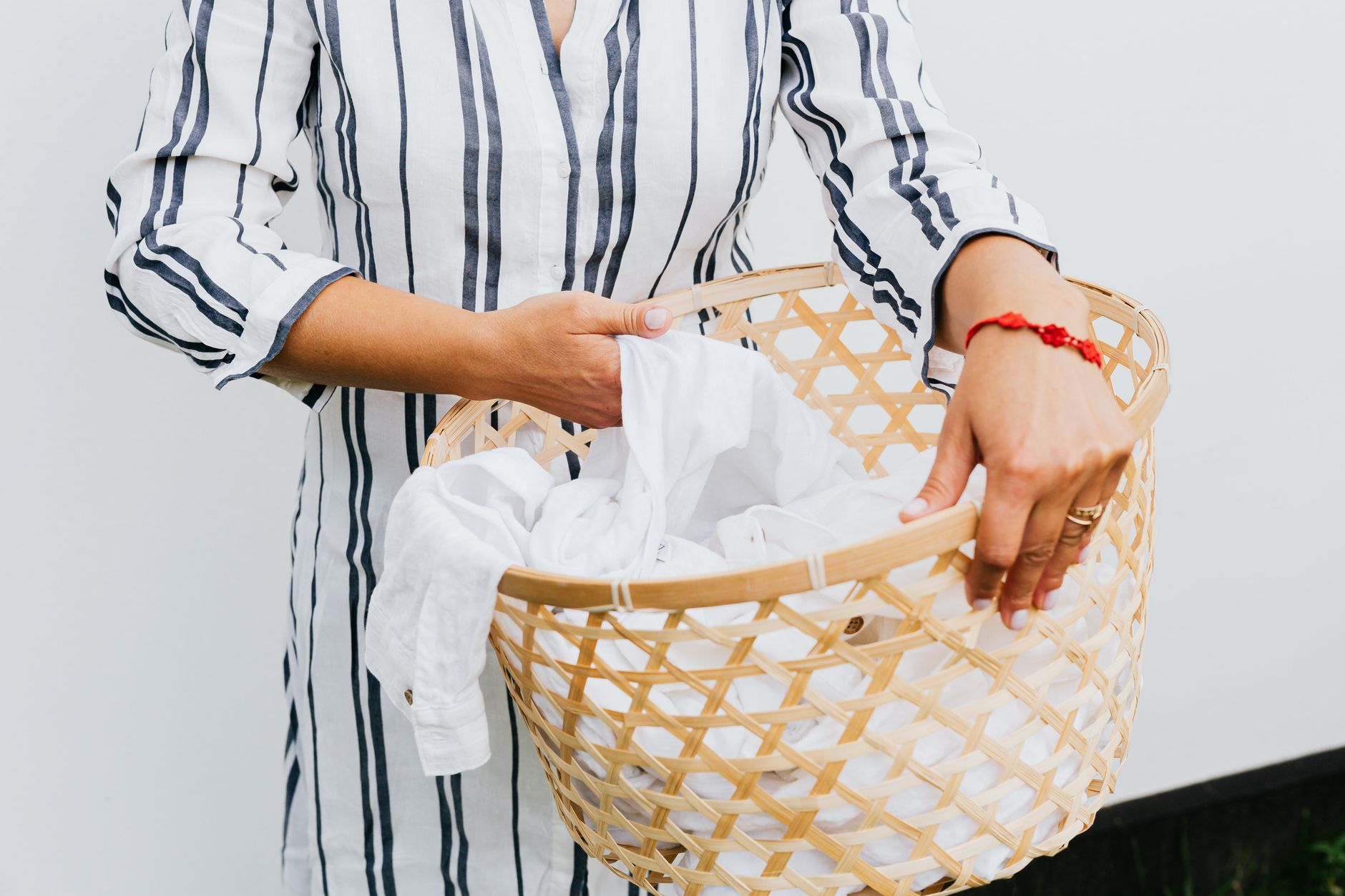
Understanding the composition of a dress is essential for making informed choices about its care and maintenance. Fabric type not only affects how a garment looks and feels but also determines the best ways to clean and store it. This guide will explore various dress materials and provide practical care tips, enabling you to extend the lifespan of your favorite pieces.
From cotton and silk to polyester and linen, each fabric requires different care methods. Knowing what your dress is made of will help you avoid common pitfalls in laundry or storage that could lead to fading, shrinking, or damaging the garment.
What Is This Dress Made Of?
The composition of a dress can greatly influence its appearance, comfort, and maintenance. Here’s a look at some common materials used in dressmaking, along with their characteristics:
-
Cotton:
Cotton is a natural fiber known for its breathability and softness. It’s often easy to wash and care for, making it a popular choice for casual dresses.
-
Silk:
This luxurious fiber drapes beautifully and feels soft against the skin. Silk is typically more delicate and often requires dry cleaning to maintain its luster.
-
Polyester:
A synthetic fiber that is durable and wrinkle-resistant. Polyester blends can mimic the look of more expensive fabrics while being low-maintenance.
-
Linen:
Made from flax, linen is known for its ability to wick moisture away and keep you cool. However, it wrinkles easily and needs careful washing and ironing.
-
Wool:
This animal fiber is warm and naturally insulating. Wool dresses can range from delicate to robust but often require special care to prevent shrinkage.
-
Rayon:
A semi-synthetic fiber derived from cellulose. Rayon can resemble silk and has great draping qualities but can be sensitive to water and requires gentle handling.
-
Modal:
Similar to rayon, modal is soft and breathable. However, it is typically more durable and less prone to shrinkage.
How to Identify Your Dress’s Fabric
If you are unsure about what your dress is made of, here are some tips for identification:
- Check the Care Label: Most garments will have a tag or label that specifies the fabric content, along with washing instructions.
- Conduct a Burn Test: This method involves burning a small fabric sample to determine its fiber type. Each material burns differently, producing specific odors or ash types.
- Feel the Texture: Familiarize yourself with different fabric textures. For example, silk feels smooth and luxurious, while cotton is more textured and breathable.
How Should I Care for This Dress?
Caring for your dress properly can significantly extend its lifespan. Here’s how to care for different fabric types:
Cotton Care Tips
- Washing: Machine wash in cold water to prevent shrinking. Use a gentle cycle for bright colors.
- Drying: Tumble dry on low or air dry. Remove while still slightly damp to help reduce wrinkles.
- Ironing: Iron on a medium setting with steam if necessary.
Silk Care Tips
- Washing: Hand wash or dry clean only. If washing, use cold water and a gentle detergent.
- Drying: Avoid wringing out silk; blot gently with a towel and lay flat to dry.
- Ironing: Iron on a low setting while the fabric is slightly damp, or use a pressing cloth.
Polyester Care Tips
- Washing: Machine wash in warm water; polyester is generally wrinkle-free and durable.
- Drying: Tumble dry on low; polyester dries quickly.
- Ironing: Iron on a low setting if needed.
Linen Care Tips
- Washing: Hand wash or machine wash on a gentle cycle with cold water. Avoid overly aggressive cycles.
- Drying: Air dry for best results and avoid tumble drying as it can cause extra wrinkling.
- Ironing: Iron while the linen is still damp for easier wrinkle removal.
Wool Care Tips
- Washing: Hand wash in cool water with a gentle detergent. Avoid agitation to prevent felting.
- Drying: Lay flat to dry; never hang a wet wool garment or it may stretch.
- Ironing: Use a steamer or iron on a low setting with steam.
Rayon Care Tips
- Washing: Hand wash or use a delicate cycle in cold water. It can shrink, so avoid hot water.
- Drying: Hang to dry or lay flat; do not tumble dry.
- Ironing: Iron on a low setting. Rayon is more delicate and can be damaged at higher temperatures.
Modal Care Tips
- Washing: Machine wash in cold water on a gentle cycle. Avoid bleach as it can damage the fibers.
- Drying: Tumble dry on low heat or air dry. Modal dries quickly and retains its shape.
- Ironing: Iron at a medium temperature if necessary; modal is less prone to wrinkles.
Fabric-Specific Considerations
In addition to knowing how to care for specific fabrics, it’s important to understand a few general considerations:
- Color Fastness: Some fabrics may bleed colors. It’s wise to wash bright colors separately to prevent discoloration of other garments.
- Stain Removal: Always treat stains as soon as possible with a suitable product based on the fabric type. For example, oil-based stains on cotton can be treated with dish soap, while silk requires a more delicate approach.
- Storage: Store dresses in a cool, dry place. Use padded hangers for delicate fabrics and opt for breathable garment bags if necessary.
Mixing and Matching Dresses with Outfits
Once you know how to care for your dress, it’s time to think about how to style it. Here are some outfit ideas based on different dress styles and occasions:
Casual Day Out
- A cotton sundress paired with white sneakers and a denim jacket is perfect for a casual day out.
- Add a crossbody bag and a wide-brimmed sun hat for a chic and practical look.
Work Appropriate
- For an office setting, consider a tailored sheath dress in a solid color. Pair with pointed-toe flats or low heels.
- Add a structured blazer to elevate your outfit, and opt for a simple, elegant tote bag.
Evening Out
- For a night out, a silk maxi dress with strappy sandals exudes elegance. Choose delicate gold jewelry to complement the look.
- A chic clutch can add a refined touch, making the outfit suitable for any upscale event.
Seasonal Layering
Adapting your dress for seasonal changes can be key to getting the most use from it:
- Spring: Layer a lightweight cardigan or denim jacket over your dress. Add ankle boots or loafers.
- Summer: Keep it simple with sandals and a sun hat. A lightweight scarf can also add a fun pop of color.
- Fall: Throw on a tailored blazer or an oversized sweater with knee-high boots to transition your dress into the cooler months.
- winter: Wear a turtleneck underneath a shift dress, and top it with a long coat and knee-high boots for warmth without sacrificing style.
Conclusion
Understanding the fabric content of your dress is essential for ensuring its longevity. Each material requires specific care instructions, from washing to storage. By following the guidelines laid out in this article, you can confidently care for your dresses while mixing and matching to create outfits suited for any occasion.
Next time you pull a dress from your closet, remember to check the care label and apply these tips for maintaining it. With the right knowledge, you can keep your wardrobe looking fabulous for years to come!
Explore related outfit ideas, styling tips, and fashion guides, such as what micromodal is and how to wash an essentials hoodie, to enhance your fashion knowledge.