
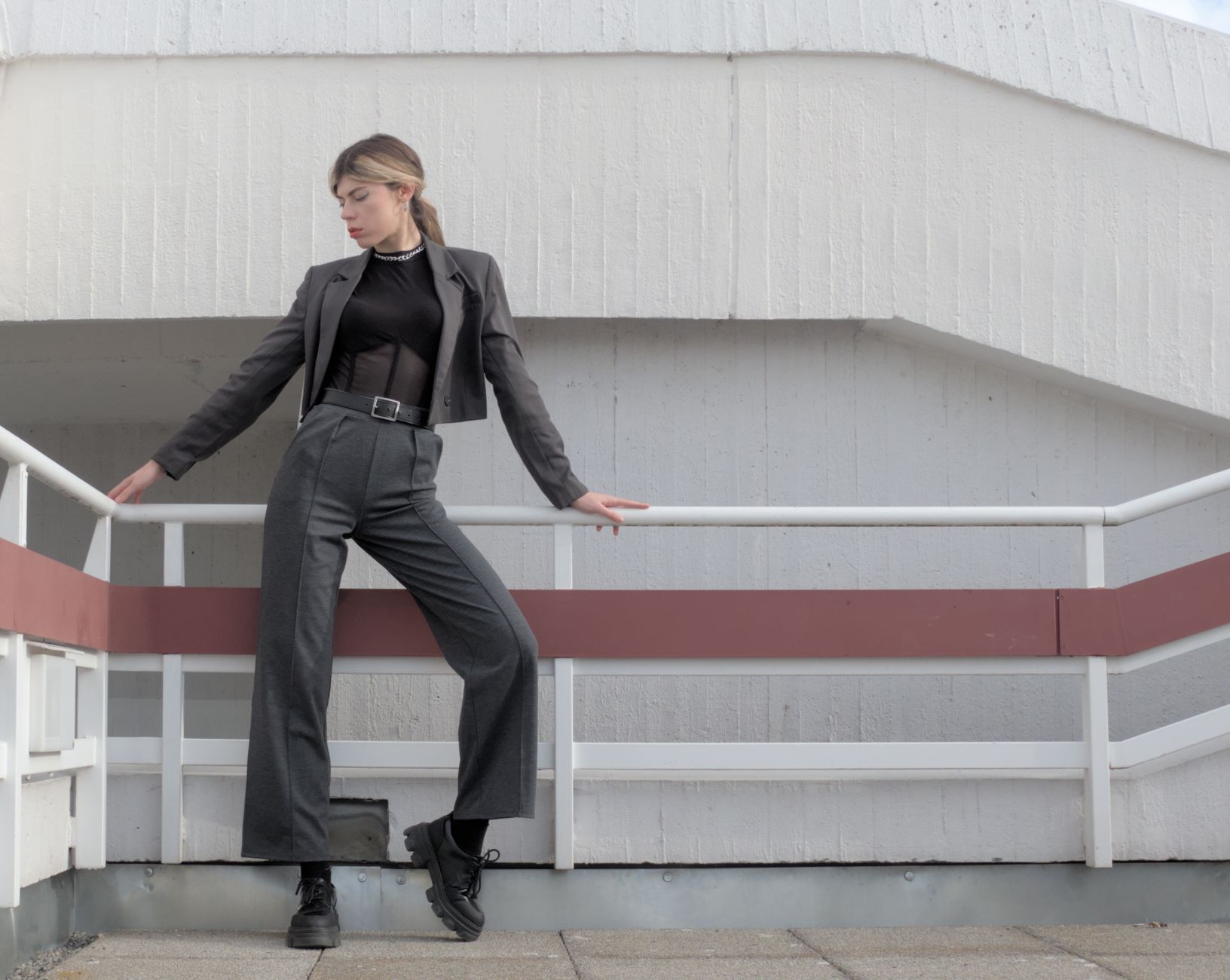
Minimalist fashion is a streamlined approach to dressing that prioritizes simplicity, functionality, and a cohesive aesthetic. It embraces the idea that less can be more, encouraging individuals to curate a wardrobe filled with versatile pieces that can be easily mixed and matched.
This style is not just about the clothes themselves; it encompasses the philosophy of intentionality in choosing garments that reflect personal style while promoting sustainability and practical living. Here is an in-depth look at the meaning of minimalist fashion and practical outfit examples to inspire your own wardrobe.
What Is Minimalist Fashion?
Minimalist fashion refers to a style characterized by clean lines, neutral colors, and simple silhouettes. It emphasizes quality over quantity, often featuring a limited color palette and fewer, but more thoughtfully chosen, garments. The essence of minimalist fashion is to reduce visual clutter while maintaining elegance and sophistication.
This approach has roots in various historical movements, such as modernism and Japanese aesthetics, which value simplicity and functionality in design. In modern contexts, minimalist fashion promotes thoughtful consumption, supporting sustainability through mindful shopping and wardrobe curation.
The Core Principles of Minimalist Fashion
1. Quality Over Quantity
Minimalist fashion encourages investing in high-quality garments that last longer. Look for well-constructed pieces made from durable fabrics, ensuring they can withstand regular wear without losing their shape or appeal.
2. Versatility
Every piece in a minimalist wardrobe should serve multiple purposes. By choosing versatile garments, you can create countless outfit combinations with fewer items, making dressing more straightforward and stylish.
3. Cohesive Color Palette
Minimalist wardrobes often feature a neutral color palette—think whites, blacks, greys, and earth tones. These colors offer ease in coordinating outfits, making it simple to layer and mix pieces for different occasions.
4. Timelessness
Rather than chasing fleeting trends, minimalist fashion focuses on classic designs that can endure the test of time. These pieces remain stylish beyond the current season, allowing for longevity in your wardrobe.
5. Functionality
Minimalist clothing prioritizes comfort and practicality, ensuring that garments serve their purpose while still being stylish. This includes functional pockets, breathable fabrics, and easy-care materials, allowing for a hassle-free wardrobe.
Building a Minimalist Wardrobe
To embrace minimalist fashion, start by paring down your existing wardrobe. Here’s a practical guide to help you get started:
1. Assess Your Current Wardrobe
- Take everything out of your closet and drawers.
- Sort items into categories—keep, donate, or discard. Be honest about what you wear and love.
- Identify garments that fit well, complement your body shape, and reflect your personal style.
2. Identify Your Wardrobe Essentials
Focus on curating a capsule wardrobe consisting of the following essentials:
- Classic white shirt
- Versatile black dress
- Tailored blazer
- High-quality pair of jeans
- Functional trousers
- Neutral tank tops
- Comfortable sweaters
- Stylish shoes (flats, boots, and heels)
- A classic coat
- Simple yet elegant accessories
3. Choose a Cohesive Color Palette
Select a color palette that meshes well with your choices. For a minimalist approach, consider sticking to three to five colors that complement each other. Think about how the colors work together during all seasons, ensuring a versatile wardrobe.
4. Invest in Quality Fabrics
Select fabrics that are comfortable and durable, such as cotton, linen, wool, and sustainable materials. Understanding fabric properties plays a crucial role in your choices:
| Fabric | Properties | Care Tips |
|---|---|---|
| Cotton | Breathable, soft, and durable | Machine washable; avoid bleach |
| Linen | Lightweight, breathable, and should be ironed | Gentle wash; can wrinkle easily |
| Wool | Warm, moisture-wicking, and retains shape | Dry clean preferred; spot clean if needed |
| Silk | Luxurious, drapes beautifully | Dry clean; handle with care to avoid snags |
5. Create Outfit Combinations
Understanding how to style your pieces together is essential for a minimalist wardrobe. Here are some outfit examples for different occasions:
Everyday Casual Outfits
- Classic white t-shirt + High-waisted jeans + Lightweight cardigan + White sneakers
- Black crew-neck sweater + Khaki chinos + Ankle boots
- Neutral tank top + Midi skirt + Denim jacket + Flat sandals
Workwear Outfits
- Tailored blazer + Tailored trousers + Silk blouse + Pointed-toe flats
- Wrap dress + Cardigan + Block-heeled shoes
- Pencil skirt + Fitted turtleneck + Chelsea boots
Formal Outfits
- Little black dress + Structured blazer + Strappy heels
- Pantsuit in neutral tone + Silk blouse + Classic pumps
- Maxi skirt + Fitted top + Statement accessories + Heeled sandals
Seasonal Dressing
When building your minimalist wardrobe, consider how outfits can be adapted through different seasons:
Spring/Summer
- Lightweight fabrics for breathability
- Layered looks with cardigans or light jackets during cooler evenings
- Light colors and floral prints for versatility
Fall/Winter
- Layering with thicker fabrics like wool and knits
- Narrow or wide-leg trousers with stylish ankle boots
- Long coats and scarves for added warmth and texture
Accessories and Footwear
Minimalist fashion allows accessories to play a crucial role in enhancing your outfit without overwhelming it. Here are some tips:
Choosing Accessories
- Stick to smaller, understated pieces such as stud earrings or a simple pendant necklace.
- Opt for a structured handbag or a sleek backpack that fits your overall aesthetic.
- Choose a watch with a minimalist design; this promotes functionality and style.
Footwear
Footwear in a minimalist wardrobe should combine comfort with style. Consider shoe options such as:
- Classic loafers or oxfords for a polished look
- Sleek ankle boots that can transition from work to casual outings
- Minimalist sneakers for comfort without sacrificing aesthetics
Garment Care for a Minimalist Wardrobe
Maintaining the quality of your minimalist pieces helps ensure they last. Here are some garment-care tips to extend their lifespan:
- Always check the care label for washing instructions.
- Invest in a good laundry basket to separate delicate fabrics from heavier items.
- Use gentle detergents, and consider air-drying to preserve fabric quality.
- Store garments in a cool, dry place and consider using garment bags for delicate items to avoid damage.
- Attend to minor repairs promptly to prevent the need for larger fixes.
The Impact of Minimalist Fashion on Sustainability
Minimalist fashion promotes a sustainable lifestyle by encouraging thoughtful consumption. Here are some of the sustainable aspects of adopting a minimalist wardrobe:
- Reduced demand for fast fashion, which is known for its environmental impact.
- Encouragement of timelessness over trends, leading to more mindful purchasing decisions.
- Support of brands that prioritize ethical production practices.
- Encouraging second-hand shopping or upcycling old garments.
Conclusion
Embracing minimalist fashion allows you to create a stylish, functional, and thoughtful wardrobe. By focusing on quality, versatility, and a cohesive color palette, you can reduce clutter and effortlessly express your personal style. Start by decluttering your closet, choosing essential pieces, and coordinating outfits that suit various occasions.
A practical step to begin your minimalist journey is to plan an outfit combination from the essential pieces you’ve identified. Aim for versatility and comfort, and remember that the art of minimalism lies in simplicity and purpose.
For more inspiration on styling and outfit ideas, check out our guides on styling maxi dresses and styling ankle boots.