
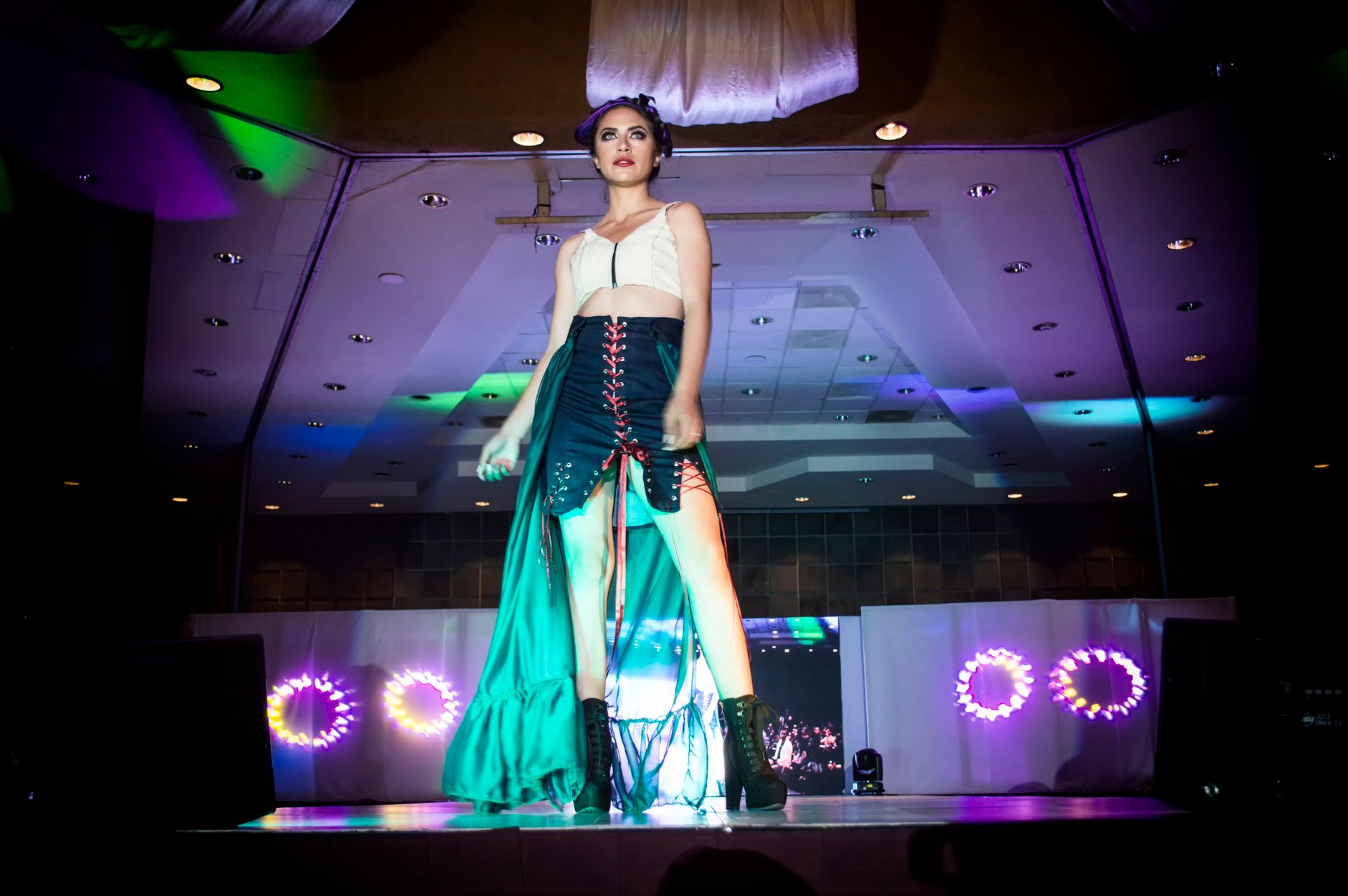
High fashion, often synonymous with luxury and exclusivity, has long captured the imagination of fashion enthusiasts and casual observers alike. Rooted in the world of couture and designer brands, it encompasses not only clothing but also the art of self-expression through style and aesthetics.
This article will explore what high fashion truly means, provide examples, and offer practical outfit tips to help you incorporate aspects of high fashion into your wardrobe, whether for an everyday look or a special occasion.
What Is High Fashion?
High fashion refers to the creation of exclusive and trend-setting clothing, often associated with renowned designers and luxury fashion houses. It is characterized by unique designs, high-quality materials, and meticulous craftsmanship. These garments are usually created for the affluent and are showcased during fashion weeks around the world.
Unlike fast fashion, which prioritizes mass production and affordability, high fashion emphasizes artistry, creativity, and a personal touch. It often sets the tone for upcoming trends and inspires various segments of the fashion industry.
The Evolution of High Fashion
High fashion has a rich history that dates back to the mid-19th century when Charles Frederick Worth, considered the father of haute couture, began showcasing his collections in Paris. Since then, the industry has evolved significantly, with different styles, trends, and movements influencing its landscape.
From the glamorous designs of the 1920s to the punk-inspired looks of the 1980s, high fashion continues to reflect cultural shifts and societal changes. It often challenges norms, pushing boundaries and reimagining what clothing can represent.
Key Characteristics of High Fashion
- Exclusivity: High fashion items are typically produced in limited quantities, increasing their desirability among consumers.
- Luxury Materials: Fabrics such as silk, cashmere, and high-quality leather are commonly used, ensuring that garments not only look good but are also long-lasting.
- Innovative Design: High fashion is known for its artistic and avant-garde designs. Designers often experiment with silhouettes, textures, and colors.
- Couture Techniques: The craftsmanship involved in creating high fashion garments includes hand-sewn details, intricate embroidery, and precise tailoring.
- Trendsetting: High fashion often dictates the style trends that trickle down to other fashion segments, influencing everyday street style and ready-to-wear collections.
Examples of High Fashion
High fashion is best understood through its prominent designers and iconic collections. Here are a few renowned names that significantly contribute to the landscape of high fashion:
- Chanel: Famous for its timeless elegance and the iconic Chanel No. 5 perfume, Coco Chanel revolutionized women’s fashion by introducing elements of comfort and simplicity.
- Dior: Christian Dior’s “New Look” in the 1940s redefined femininity, characterized by a cinched waist and full skirt. Dior remains a major player in haute couture today.
- Gucci: Known for its eclectic aesthetic and bold prints, Gucci continues to push the boundaries of high fashion under the creative direction of Alessandro Michele.
- Louis Vuitton: Renowned for its luxury leather goods and iconic monogram, Louis Vuitton extends its influence into apparel with each new collection.
- Balenciaga: Famous for its sculptural silhouettes and innovative designs, Balenciaga challenges traditional notions of fashion.
How to Incorporate High Fashion Into Your Wardrobe
Even if you’re not shopping from top-tier fashion houses, you can adopt high-fashion elements to elevate your style. Here are some essential tips for incorporating high fashion into your wardrobe:
Invest in Wardrobe Essentials
Start with timeless pieces that form the backbone of a high-fashion wardrobe. Look for items that are well-constructed and versatile:
- Classic Blazer: A well-fitted blazer can instantly elevate any outfit, from casual to professional. Choose neutral colors like black, navy, or beige for maximum versatility.
- Quality White Shirt: A crisp white shirt is a wardrobe staple that works in countless combinations. Opt for high-quality fabric to maintain its structure.
- Tailored Trousers: Invest in a pair of tailored trousers that fit impeccably. They can be dressed up for formal occasions or down for casual outings.
- Little Black Dress (LBD): The LBD is a classic that can be adapted for various occasions. Accessorize differently to refresh the look.
- Statement Outerwear: A distinctive coat or jacket can transform even the simplest of outfits, making it a worthwhile investment.
Color Coordination
High fashion often employs a cohesive color palette. Here’s how to coordinate your colors effectively:
- Monochrome Looks: Choose a single color and wear varying shades and textures for an effortlessly chic appearance.
- Accent Colors: Add pops of color through accessories like bags or shoes to make an outfit stand out.
- Neutrals: A neutral base allows for greater freedom with bolder accents without feeling overwhelming.
Layering for Style and Comfort
Layering adds dimension and interest to outfits. Here are some tips to master the art of layering:
- Base Layer: Start with a fitted base layer, such as a turtleneck or a simple tee, to avoid bulkiness.
- Middle Layer: Incorporate items like cardigans, vests, or lightweight sweaters that can be easily removed if needed.
- Outer Layer: Finish with a statement piece, such as a tailored coat or a unique jacket that defines your style.
Footwear and Accessories
Details matter when it comes to high fashion. Here are footwear and accessory tips:
- Elegant Footwear: Invest in quality heels or loafers that are both stylish and comfortable. Neutral colors can be worn with virtually anything.
- Statement Bags: A standout handbag can elevate any outfit. Look for unique shapes, colors, or textures.
- Jewelry: Choose a few key pieces, like statement earrings or a bold necklace, that can bring an outfit to life without overwhelming it.
Occasion Dressing: High Fashion for Every Event
High fashion can adapt to various occasions, from casual outings to formal events. Here’s how to style outfits for different settings:
Casualwear
For a chic yet relaxed look:
- Outfit Idea: Pair high-waisted jeans with a fitted turtleneck and ankle boots. A structured blazer can add polish.
- Accessories: Opt for a crossbody bag and minimalistic jewelry for a cohesive look.
Workwear
Elevate your office attire while maintaining professionalism:
- Outfit Idea: Tailored trousers with a silk blouse and pointed-toe flats can create a polished appearance.
- Layer: Add a tailored blazer for meetings, removing it for a more relaxed afternoon vibe.
Formalwear
For events that require elegance:
- Outfit Idea: An A-line midi dress paired with strappy heels can offer sophistication.
- Accessories: Choose a clutch and understated jewelry to highlight the outfit without overpowering it.
Occasion Dressing
For weddings or celebrations, adapt your style as follows:
- Outfit Idea: A flowing maxi dress with delicate patterns can provide a romantic vibe.
- Footwear: Block heels can offer comfort while adding elegance.
Gender-Inclusive High Fashion
High fashion is no longer confined to traditional gender norms. Many designers now offer gender-inclusive lines, allowing everyone to express themselves uniquely. Here are some ideas:
- Fluid Silhouettes: Look for pieces that can be worn by all genders, such as oversized shirts, wide-leg pants, and looser-fit jackets.
- Accessorizing: Accessories like hats, bags, and jewelry can be mixed and matched regardless of gender to create personalized looks.
Understanding Fabrics in High Fashion
Fabrics play a crucial role in high fashion, significantly influencing the silhouette and feel of a garment. Here are some key materials to consider:
- Silk: Soft and luxurious, silk drapes beautifully and adds elegance to any outfit.
- Wool: A versatile material suitable for both warm and cool weather, wool offers structure and comfort.
- Cotton: Lightweight and breathable, cotton is a staple fabric for everyday wear.
- Linen: Known for its breathability, linen is ideal for warmer months and casual styles.
Care and Maintenance of High Fashion Garments
To keep high fashion pieces looking pristine, proper care is essential. Follow these guidelines:
- Follow Care Labels: Always check and follow the care instructions on garment labels for cleaning and maintenance.
- Store Properly: Hang garments made from delicate materials like silk and wool to avoid creasing. Use padded hangers when possible.
- Professional Cleaning: For delicate or heavily embellished items, consider taking them to a professional cleaner.
- Avoid Overwashing: Wash garments only when necessary to prolong their life. Spot clean when possible.
- Protect from Sunlight: Store items in a dark place to prevent fading and damage from UV light.
The Future of High Fashion
As the fashion industry evolves, high fashion is increasingly considering sustainability and ethical production. Designers are compelled to rethink materials, production techniques, and their environmental impact. Expect high fashion to embrace eco-friendly practices while maintaining its commitment to style and luxury.
The democratization of fashion through social media also enhances accessibility to high fashion. More individuals can follow trends, connect with designers, and discover how to incorporate high-end styles into their wardrobes.
By understanding what high fashion means and how to incorporate its elements into your closet, you can elevate your personal style while expressing individuality and taste. Don’t be afraid to experiment with combinations, cuts, and colors to create looks that reflect your personal style within the realm of high fashion.
Try mixing classic pieces with statement accessories or understanding the significance of fabric choices to make outfits that feel uniquely yours. The journey of defining your style is just beginning, and incorporating high fashion principles will help you dress with intention.
For more insights, check out our articles on what couture is and what chic fashion means for additional style inspiration and ideas.