
Fashion merchandising is the crucial link between the creative aspects of fashion design and the business side of retailing. It encompasses a range of activities involved in selling and marketing clothing, accessories, and other fashion-related products. Understanding fashion merchandising can enhance your sense of style, improve your wardrobe choices, and make shopping a more informed experience.
This article breaks down what fashion merchandising entails, discussing its components and offering practical outfit examples to apply this knowledge. Whether you are preparing for a casual day out, a formal event, or enhancing your work wardrobe, understanding fashion merchandising will empower your personal style.
What Is Fashion Merchandising?
Fashion merchandising is about more than just selling clothes; it’s a strategic practice that involves planning, buying, and selling fashion products to maximize profitability. It integrates marketing, trend analysis, and consumer behavior insights to deliver the right products to the right market at the right time.
At its core, fashion merchandising includes product selection, pricing strategies, display techniques, and promotional activities designed to attract consumers. This can involve everything from choosing the most appealing fabrics and styles to training sales staff on how to best present products.
Key Elements of Fashion Merchandising
The fashion merchandising process can be broken down into several key components:
- Trend Analysis: Understanding current fashion trends is essential for successful merchandising. This includes researching popular styles, colors, and customer preferences.
- Product Development: Working with designers to create appealing and marketable collections that cater to the target audience.
- Buying & Inventory Management: Making strategic purchasing decisions to ensure the right quantities of products are available to meet consumer demand.
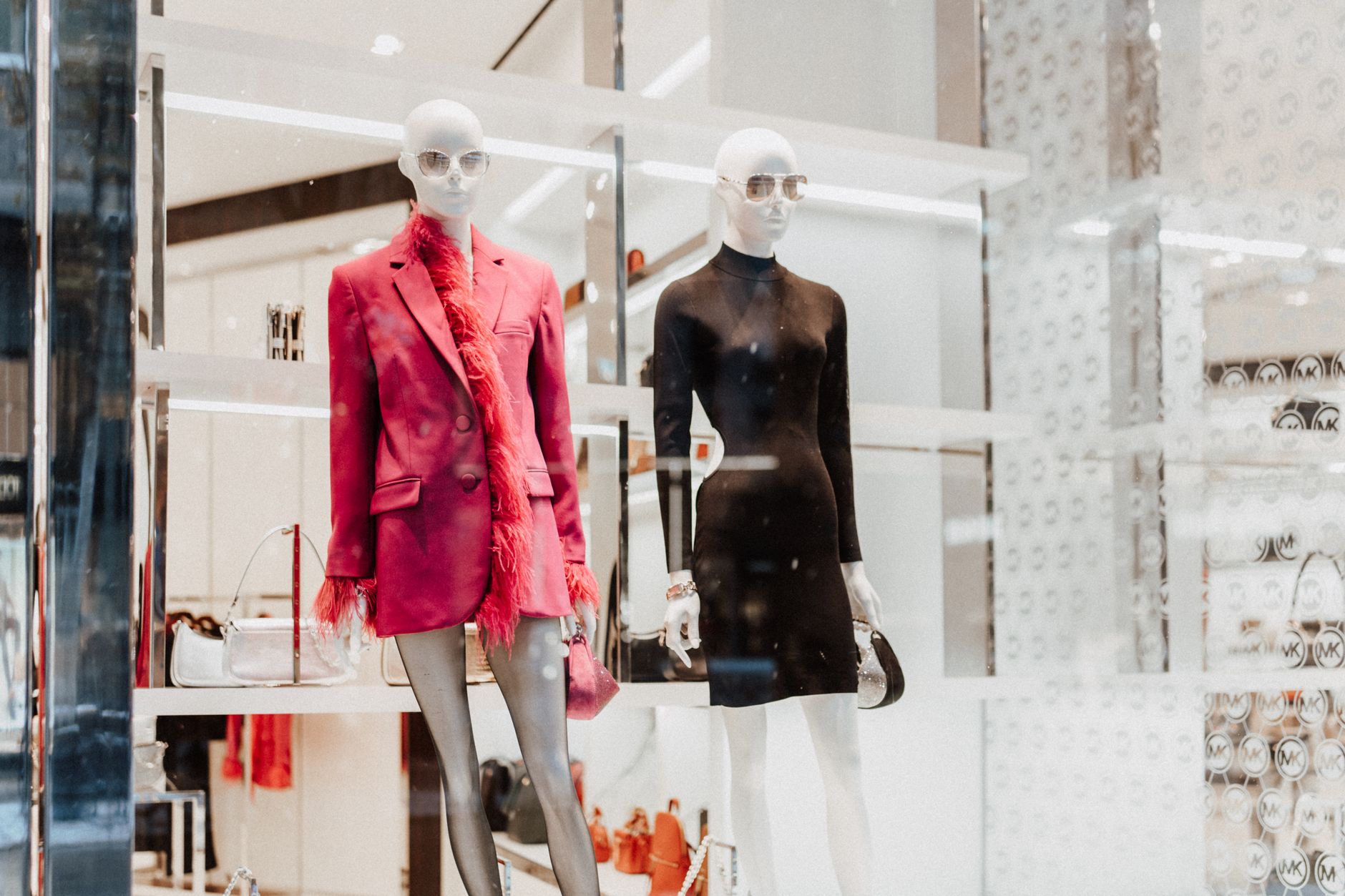
- Visual Merchandising: Creating compelling in-store displays that attract customers and showcase products effectively.
- Marketing & Promotion: Implementing promotional strategies, including advertising, social media, and public relations, to drive brand awareness and sales.
- Sales & Customer Experience: Training sales associates to enhance the customer buying experience, which can lead to repeat purchases and increased brand loyalty.
Understanding the Importance of Fashion Merchandising
Having a strong grasp of fashion merchandising is crucial for both professionals in the industry and consumers. For businesses, effective merchandising can lead to increased sales and customer satisfaction. For consumers, understanding this concept can enhance personal style and ensure wise purchasing decisions.
As a consumer, knowing how fashion merchandising works allows you to make more informed choices about your wardrobe. You can be mindful of how pieces are presented and marketed, enabling you to distinguish between fads and enduring styles.
Outfit Examples Based on Fashion Merchandising Principles
To make the concepts of fashion merchandising practical, let’s explore some outfit examples that embody these principles. These combinations will vary based on occasion, season, and styling techniques.
Causal Wear: The Everyday Outfit
- Top: White cotton t-shirt – a basic that pairs well with myriad bottoms.
- Pants: High-waisted denim jeans – offers a flattering silhouette and versatility.
- Shoes: White sneakers – classic footwear that compliments a casual look.
- Accessories: Minimalist watch and a crossbody bag for functionality.
This outfit exemplifies the casual aesthetic while utilizing a structured yet comfortable feel. The white tee ensures timelessness, while high-waisted jeans add a contemporary touch. The accessories are practical, aligning with modern consumer preferences for both style and utility.
Workwear: The Professional Ensemble
- Top: Light blue button-up shirt – polished yet approachable.
- Pants: Tailored black trousers – provides a structured look appropriate for business settings.
- Shoes: Black loafers – offers comfort and style suitable for all-day wear.
- Accessories: Leather tote bag and simple stud earrings to elevate the outfit.
This combination reflects professionalism while also allowing for individual style. The selection of fabrics should focus on comfort and durability, vital for a day at the office. Each piece ensures the wearer feels confident and competent in a work environment.
Formal Wear: Evening Event Attire
- Top: Silk blouse in jewel tones – perfect for adding elegance.
- Skirt: A-line midi skirt – flatters various body types and allows for movement.
- Shoes: Pointed-toe heels – instantly dress up any outfit.
- Accessories: Statement necklace and a clutch for a touch of glamour.
This formal outfit showcases the principles of color coordination and texture interplay. Jewel tones remain timeless, while the silk fabric stands out in evening attire. The balance between the fitted blouse and flared skirt creates a proportionate silhouette, ensuring a chic appearance at any formal gathering.
Building a Capsule Wardrobe with Fashion Merchandising
A capsule wardrobe is a collection of essential items that can be mixed and matched, allowing for numerous outfit combinations with a limited number of pieces. This concept aligns with the efficiency of fashion merchandising by focusing on value and versatility.
Essential Pieces for a Capsule Wardrobe
- Neutral Tops: Include a white tee, black top, and a versatile button-up shirt.
- Pants: A pair of tailored trousers, denim jeans, and chinos for variety.
- Dresses: A little black dress and a casual sundress for different occasions.
- Outerwear: A structured blazer and a lightweight trench coat for layering.
- Shoes: Ankle boots, loafers, and sneakers.
- Accessories: A few interchangeable scarves, hats, and bags for added flair.
This foundational piece list allows for flexibility while maintaining cohesion in style. The key is to select items based on color palettes that complement one another, enhancing outfit coordination. Fashion merchandising principles like consumer preference and functionality underscore how to curate this collection effectively.
Color Coordination and Layering Techniques
Understanding color coordination is essential in fashion merchandising. The well-known color wheel can guide you in pairing colors harmoniously. Additionally, layering enhances versatility and comfort in dressing.
Color Coordination Basics
- Monochromatic: Using variations of a single color (e.g., different shades of blue).
- Analogous: Colors next to each other on the wheel (e.g., blue and green).
- Complementary: Colors opposite each other (e.g., red and green) create vibrant contrast.
Choosing a color palette that aligns with your personal style and the current trends allows for ease in selection. Color coordination ensures outfits are visually appealing while reflecting individual personality.
Layering for Style and Functionality
Layering not only adds style but also practical advantages, allowing you to adjust to varying temperatures. Here’s how to effectively layer:
- Start with a fitted base layer (e.g., a tank top or turtleneck).
- Add a mid-layer for warmth, like a sweater or cardigan.
- Finish with an outer layer, such as a coat or jacket for added sophistication.
This technique not only elevates your overall look but also introduces texture and dimension to outfits. It’s particularly effective for transitional seasons, maximizing the use of your wardrobe.
Seasonal Dressing with Fashion Merchandising Principles
Adapting your wardrobe to the season is vital in fashion merchandising. Understanding fabric choices and styling techniques can help you feel comfortable while looking chic.
Spring/Summer Styling Tips
- Opt for lightweight fabrics like cotton or linen that allow breathability.
- Choose lighter colors and vibrant patterns to reflect the season’s energy.
- Incorporate pieces that can be layered, like cardigans or lightweight jackets.
Autumn/Winter Styling Tips
- Select warmer fabrics such as wool or cashmere for insulation against the cold.
- Layering becomes even more crucial; utilize scarves and heavier outerwear.
- Incorporate rich colors and textures to evoke a warm, cozy vibe.
By aligning your seasonal choices with fashion merchandising practices, you create a wardrobe that is not only functional but also stylish and appropriate for various surroundings.
Understanding Fabrics and Garment Care
Fabrics play a pivotal role in fashion merchandising, impacting not only the style of the garment but its longevity and care requirements as well. Understanding common fabric types will enhance your wardrobe choices.
Common Fabric Types
- Cotton: Breathable and durable, good for everyday wear.
- Silk: Luxurious feel but requires delicate care.
- Linen: Great for warm weather, has a relaxed, textured finish.
- Wool: Ideal for warmth, often used for winter wear.
Garment Care Guidelines
To maintain your clothing, it’s essential to follow these care tips:
- Always check the care labels for specific washing and drying instructions.
- Sort laundry by color and fabric type to avoid damage.
- Store clothes properly, using hangers for delicate items and folding heavier garments.
Understanding fabric requirements helps in making informed purchases, optimizing your wardrobe while ensuring items last longer.
The Role of Accessories in Fashion Merchandising
Accessories are an integral part of fashion merchandising, enhancing outfits and allowing for personal expression. Knowing how to select and style accessories can elevate any look.
Types of Accessories
- Bags: Functional yet fashionable, bags can define an outfit.
- Jewelry: From subtle to statement pieces, jewelry adds personality and flair.
- Scarves: Versatile additions that can serve as wraps or fans of color.
- Hats: Great for adding style while providing sun protection or warmth.
Styling Tips for Accessories
- Coordinate accessories with key colors from your outfit for cohesion.
- Balance statement pieces with simpler outfits to avoid overwhelming the look.
- Stay mindful of proportion; larger accessories can be paired with simpler silhouettes.
The right accessories can transform basic outfits into something extraordinary, allowing for adaptability in your wardrobe choices.
Shopping Smart: Strategies in Fashion Merchandising
Understanding fashion merchandising also empowers you as a savvy shopper. Here’s how to shop effectively:
- Create a Wish List: Identify what pieces you need before heading to the store.
- Embrace Off-Season Sales: Buying out-of-season items can save money and offer unexpected finds.
- Explore Thrift and Vintage Stores: Unique pieces often reflect quality and craftsmanship.
These strategies make shopping not just an experience but a thoughtful engagement based on the principles of fashion merchandising.
Conclusion
Fashion merchandising encompasses a complex interplay of creativity and strategy, influencing how products are designed, marketed, and sold. By understanding these principles, you can enhance your personal style and approach to wardrobe building.
Start by experimenting with the suggested outfit combinations, layer your pieces thoughtfully, and pay attention to fabric care. Explore your wardrobe for essentials that can contribute to stylistic coherence. The insights gained from fashion merchandising will guide you in making informed choices that reflect your personality and adapt to various occasions.
If you’re looking for more outfit ideas, check out how to style a crop top with jeans or discover tips on how to style baggy jeans to elevate your wardrobe on your fashion journey.