
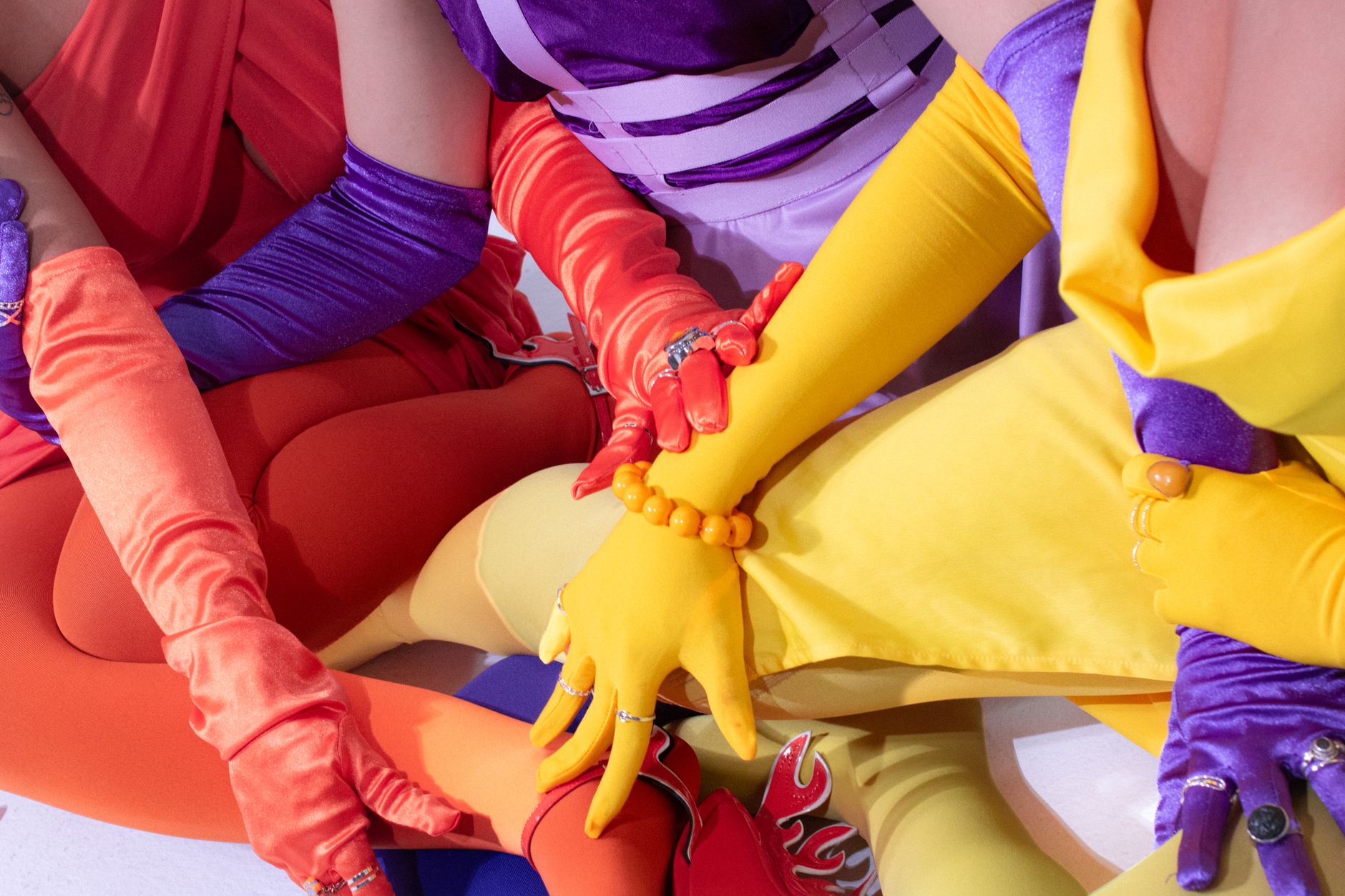
Choosing the right color jewelry can elevate your outfit and enhance your overall look. Understanding which shades complement your clothing, skin tone, and personal style is essential to creating a polished appearance. This guide offers practical advice to help you select jewelry colors that harmonize beautifully with your wardrobe and individual aesthetics.
Jewelry is a powerful form of self-expression, and the right color can play a significant role in that. Whether you’re dressing for a casual outing, a formal event, or a day at the office, knowing what color jewelry to wear will ensure you feel confident and stylish. Let’s dive into the essentials of color matching to make accessorizing a breeze.
What Color Jewelry Should I Wear?
The color of jewelry you wear should ideally complement your skin tone, the colors in your outfit, and the occasion. Use this simple answer as a starting point to explore what works for you.
Identifying Your Skin Tone
The first step in selecting the right jewelry color is determining your skin tone. Generally, skin tones fall into three main categories: cool, warm, and neutral. Here’s how to identify yours:
- Cool Tones: If you have pink, red, or blue undertones, you likely have a cool skin tone. Silver, white gold, and cool-toned gemstones (like sapphires and amethysts) tend to look best on you.
- Warm Tones: If your skin has yellow, peach, or golden undertones, you likely fall into the warm category. Gold, rose gold, and warm-toned gemstones (like amber, citrine, and garnet) can enhance your glow.
- Neutral Tones: If you can wear both gold and silver jewelry comfortably, you likely have a neutral skin tone. Versatile options such as mixed metals and various gemstone colors can be perfect for you.
Color Coordination with Your Outfit
Understanding how to coordinate your jewelry color with your outfit can take your style to the next level. Here are some guidelines to keep in mind:
Complementary Colors
Complementary colors are hues located on opposite sides of the color wheel. Wearing complementary jewelry can make both your outfit and accessories pop. Here are some examples:
- Pair blue outfits with orange or copper jewelry.
- Green outfits look stunning with red or coral accessories.
- Yellow or gold attire can be complemented by purple or violet jewelry.
- For a monochromatic look, wear varying shades of a single color, like deep and light blues, with silver jewelry for balance.
Analogous Colors
Analogous colors are next to each other on the color wheel and create a harmonious look. Here’s how to apply this when choosing jewelry:
- For earthy outfits in browns or greens, opt for jewelry in warm reds or oranges.
- Outfits with shades of blue can be paired with greens or purples in your jewelry for a cohesive look.
Neutral Outfits
If you are wearing a neutral outfit—like black, white, gray, or beige—you have the freedom to experiment with any color jewelry:
- Bright and bold colors will stand out beautifully against neutral tones.
- Soft pastels can add a touch of elegance.
- Classic metallics like gold and silver are also great options to enhance simplicity.
Seasonal Color Trends
Color trends can vary by season. Choosing jewelry that aligns with seasonal palettes can update your look effortlessly:
Spring/Summer
- Bright colors like turquoise, coral, and yellow create cheerful vibes.
- Light metals, especially gold and rose gold, enhance sun-kissed skin.
- Florals and vibrant pastels are in harmony with colorful gemstone jewelry.
Autumn/Winter
- Rich jewel tones like emerald green, sapphire blue, and ruby red are perfect for creating depth.
- Champagne and antiqued golds complement warm, cozy layers.
- Muted tones like deep browns and grays can be elevated with statement pieces—think bold, colorful necklaces or chunky rings.
Occasion Dressing
Understanding the occasion can also guide your jewelry color choice. Here’s how to consider the dress code:
Casual Wear
For everyday casual looks:
- Opt for simpler and more playful pieces in bright colors or lightweight materials.
- Layering necklaces in different lengths adds interest without being overwhelming.
Work Wear
For professional settings:
- Choose classic, timeless pieces in neutral or muted colors.
- Consider stud earrings or thin chains in gold or silver to maintain a clean and polished look.
Formal Events
For more elevated occasions, such as galas or weddings:
- Statement pieces can include bold necklaces or remarkable earrings featuring vivid gemstones.
- Dark-hued jewelry pairs beautifully with formal evening gowns.
Layering Jewelry Effectively
Layering jewelry can create a unique and personalized look. Here are some tips to achieve this with color:
- Mix different metal tones for an eclectic vibe—try combining gold earrings with silver necklaces.
- Use a color-coordinated palette; for instance, layer blue pieces with different shades of blue or similar colors for a monochromatic effect.
- Experiment with textures! Combine smooth and matte finishes to add depth to the layered pieces.
Accessorizing with Other Elements
Footwear
Footwear can also play a role in determining the color of your jewelry:
- Match the metal of your jewelry with shoe hardware. For example, gold detailing on shoes pairs well with gold jewelry.
- Consider the color of your shoes; colorful shoes can be complemented with simpler jewelry that echoes one of their shades.
Fabrics
The fabric of your clothing also influences jewelry color:
- Shiny fabrics (like satin or silk) may look better with polished metals.
- Matte fabrics (like cotton or linen) can carry both shiny and textured jewelry effortlessly.
Common Styling Pitfalls
Despite your best intentions, you may run into common pitfalls when it comes to color and jewelry pairing:
Overwhelming Clashes
- Avoid combining bright, clashing colors that can distract from your overall look. Stick to one statement piece if you’re wearing bold colors elsewhere.
Overcrowding
- Too much jewelry can spoil the elegance of your outfit. Aim for a balance—if you’re wearing large earrings, forgo a bulky necklace, and vice versa.
Ignoring Personal Preference
- While guidelines can provide a foundation, it’s vital to wear what makes you feel good. If you love a particular color that typically isn’t flattering, find ways to incorporate it in a smaller accessory.
Maintenance for Longevity
Taking proper care of your jewelry ensures its longevity. Keep these tips in mind to maintain your pieces effectively:
- Store jewelry in a cool, dry place to avoid tarnishing.
- Wipe down pieces after wearing to remove oils and dirt.
- Invest in professional cleaning for sensitive items or intricate gemstones to retain their shine.
Going Beyond Basics
Once you’re comfortable with your foundational jewelry pieces, consider adding unique elements to your collection:
- Explore vintage or artisanal jewelry that comes with unique colors and designs, adding character and story to your outfit.
- Look into adjustable or multi-use pieces that can be styled in various ways while fitting different occasions and moods.
Making Thoughtful Purchases
When shopping for jewelry, think about how the colors will fit into your existing wardrobe:
- Choose versatile items that can coordinate with multiple outfits.
- Check the quality and craftsmanship to ensure you’re selecting pieces that will last.
In summary, selecting jewelry colors that complement your skin tone, outfit choices, and personal style can create a cohesive and polished look. Don’t shy away from experimenting with layering and combining different styles. Start small and build a collection that reflects who you are while ensuring that your accessories enhance what you’re wearing.
Explore related outfit ideas and further styling tips to enhance your fashion journey. Consider checking out what jewel tones are or how to wear statement necklaces for more inspiration. Happy accessorizing!