
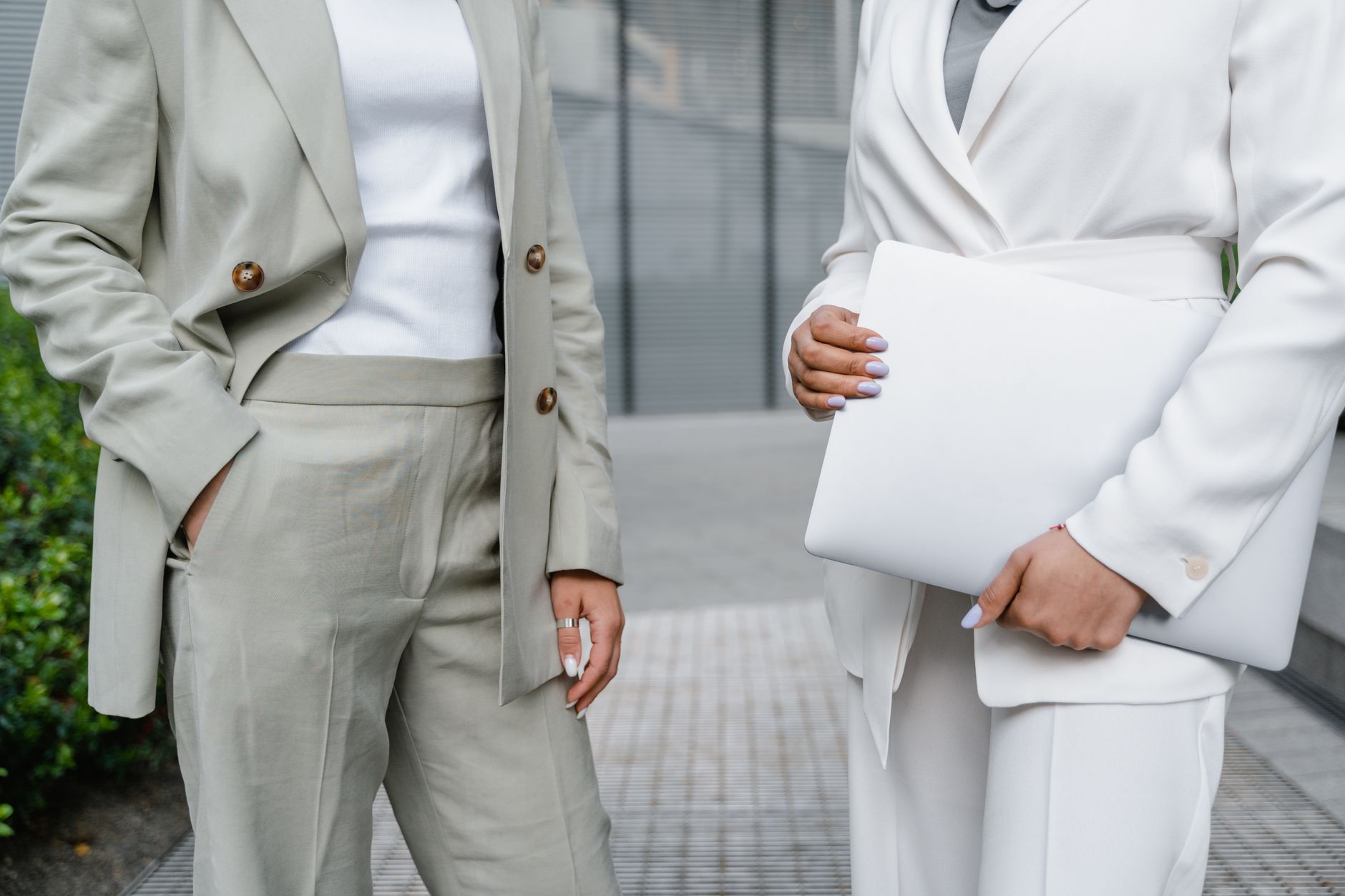
Dressing for work is an art that balances personal style, comfort, and respect for workplace culture. Getting it right not only boosts your confidence but also leaves a positive impression on colleagues and clients alike. Each job comes with its own dress code expectations, and knowing how to navigate them effectively can elevate your professional presence.
This guide will explore smart outfits, dress code tips, and wardrobe essentials to help you confidently dress for work, whether you’re in a formal office or a relaxed startup environment.
How to Dress for Work?
To dress for work effectively, you need to understand the dress code of your workplace while incorporating your personal style. This guide covers outfit ideas and tips for various dress codes, helping you mix and match pieces for the office.
Understanding Dress Codes
Most workplaces have specific dress codes that dictate how professionals should present themselves. Familiarizing yourself with these dress codes can help you decide what to wear. Here are a few common types:
- Business Formal: This is the traditional form of dress code requiring suits, ties, and dresses.
- Business Casual: This style allows for more relaxed attire, including dress shirts without a tie and slacks, but still demands a polished look.
- Smart Casual: This is a more laid-back version of business casual, mixing well-fitted jeans with blazers or nice footwear.
- Casual: Workplaces with a casual dress code permit jeans, t-shirts, and sneakers. However, clothing should still be neat and clean.
Essential Workwear Pieces
Investing in a few key pieces can simplify getting dressed each morning. Here’s a breakdown of essential workwear items that can be mixed and matched easily for different occasions:
- Blazers: A well-fitted blazer instantly elevates any outfit and works across dress codes.
- Dress Shirts: Crisp, long-sleeved shirts are versatile and can be layered under blazers or worn alone.
- Trousers: Tailored trousers provide a polished look, while chinos offer a slightly more casual feel.
- Skirts: Pencil skirts or A-line skirts are great options for a formal yet feminine look.
- Dresses: A simple sheath dress can transition seamlessly from day to night.
- Footwear: Choose classic pumps, loafers, or smart ankle boots that offer comfort and style.
- Accessories: Simple jewelry and a structured handbag can enhance your outfit without overwhelming it.
Building a Capsule Wardrobe for Work
A capsule wardrobe is a collection of timeless pieces that you can mix and match easily. By choosing a cohesive color palette and versatile items, you simplify dressing for work. Here’s how to create a work-appropriate capsule wardrobe:
- Choose Neutral Colors: Base your wardrobe around neutral colors like black, navy, gray, and white, which provide versatility.
- Add a Few Accent Pieces: Integrate a couple of colorful blouses or statement pieces that reflect your personal style.
- Incorporate Layers: Cardigans, vests, or blazers can add warmth and style without making you too bulky.
- Prioritize Fit: Ensure all items fit well; this is crucial for looking polished. Tailoring may be necessary for an ideal fit.
Color Coordination Tips
Color plays a vital role in dressing for work. Learning to coordinate colors can enhance your overall appearance and express your personality. Here are some tips:
- Monochromatic Looks: Wearing different shades of the same color creates a sleek, cohesive look.
- Complementary Colors: Pair colors that complement each other, like navy and orange or blue and yellow, for a more dynamic outfit.
- Accent Colors: Use accessories to add pops of color to a neutral outfit, keeping the overall look sophisticated.
Layering Techniques for Work
Effective layering not only adds interest to an outfit but also provides versatility for changing office temperatures. Here’s how to layer appropriately:
- Start with a Base: Choose a fitted tank top or shirt as the foundation of your outfit.
- Add a Mid-Layer: Use a lightweight sweater or cardigan for warmth and style.
- Top It Off: Finish with a blazer or tailored coat, especially useful for transitioning from outdoors to indoors.
Seasonal Dressing
Adjusting your wardrobe according to the season ensures comfort and appropriateness. Here’s how to dress for each season:
Spring
- Opt for lightweight fabrics like cotton and linen.
- Incorporate pastels or floral prints which resonate with the season.
Summer
- Choose breathable materials to stay cool, such as cotton blends and moisture-wicking fibers.
- Lightweight dresses and tailored shorts can be appropriate in casual settings.
Fall
- Layering becomes essential; thin knits and blazers work well.
- Embrace earthy tones; burgundy, mustard, and olive green hit the mark.
Winter
- Look for heavier fabrics like wool to keep warm.
- Invest in a good-quality coat that can complete formal outfits, such as a wool overcoat.
Outfit Combinations for Different Dress Codes
Knowing how to mix your wardrobe items into outfits that adhere to various dress codes is vital. Here are some outfit combinations tailored to different styles:
Business Formal
- A tailored black suit with a white dress shirt and a silk tie for men. Team it with leather oxford shoes.
- A fitted navy sheath dress with a structured blazer and pointed-toe pumps for women.
Business Casual
- A pair of chinos with a collared shirt and loafers for men creates a smart yet relaxed look.
- A flowy blouse paired with tailored trousers and block-heeled shoes offers a polished yet comfortable women’s option.
Smart Casual
- A well-fitted blazer over a graphic tee, combined with dark jeans and ankle boots for men.
- A fitted cardigan with a casual dress and ballet flats for a chic yet relaxed approach for women.
Casual
- A crisp denim shirt paired with khaki shorts and sneakers allows for an easy-going vibe.
- A comfortable t-shirt with relaxed-fit jeans and slip-on shoes creates a stylish but laid-back look.
Accessorizing for the Workplace
Accessories can enhance your work outfits, adding personality without overwhelming them. Below are a few tips for accessorizing:
- Jewelry: Opt for simple pieces like stud earrings or a classic watch; avoid anything too distracting.
- Belts: A belt can help define your waist or add a touch of style to trousers and dresses.
- Bags: A structured tote or messenger bag provides both functionality and style.
Footwear Considerations
Your choice in footwear is crucial, as comfort and professionalism should go hand in hand. Consider the following:
- For Formal Settings: Leather pumps or oxfords add class while remaining comfortable.
- Casual Environments: Stylish loafers or clean sneakers can work when styled appropriately.
- Comfort is Key: Ensure your footwear has adequate support, especially if you spend long hours on your feet.
Fabric Matters
Choosing the right fabric not only impacts your comfort but also the professionalism of your attire. Here are some common fabrics and their attributes:
| Fabric | Characteristics | Care Instructions |
|---|---|---|
| Cotton | Breathable, comfortable, and easy to clean | Machine wash, tumble dry |
| Wool | Warm, durable, and has a natural drape | Dry clean; hand wash in cold water if necessary |
| Synthetic Blends | Wrinkle-resistant, often stretchy | Machine wash; follow care labels |
| Silk | Luxurious feel, elegant appearance | Dry clean only |
Garment Care Tips
Keeping your workwear in good condition prolongs its lifespan and maintains a polished look. Here are some garment care insights:
- Read Care Labels: Every garment has unique care instructions that should be followed diligently.
- Launder Properly: Use gentle detergents and avoid harsh washing cycles to prevent wear.
- Storage: Hang blazers and trousers to maintain their shape; fold sweaters to prevent stretching.
Final Thoughts on Dressing for Work
By understanding your workplace’s dress code and incorporating your personal style, you can create a wardrobe that is both functional and expressive. Experiment with layering, color coordination, and accessories to craft ensembles that reflect who you are while remaining professional.
As you plan your outfits, consider trying different combinations of the essential pieces discussed here, ensuring that you feel comfortable and confident each day. Whether it’s a tailored suit for an important meeting or a smart casual look for a Friday at the office, the right outfit makes all the difference.
Explore related outfit ideas, styling tips, and fashion guides to keep your wardrobe fresh and exciting. Check out what to wear to an interview or find out what business casual looks like.