
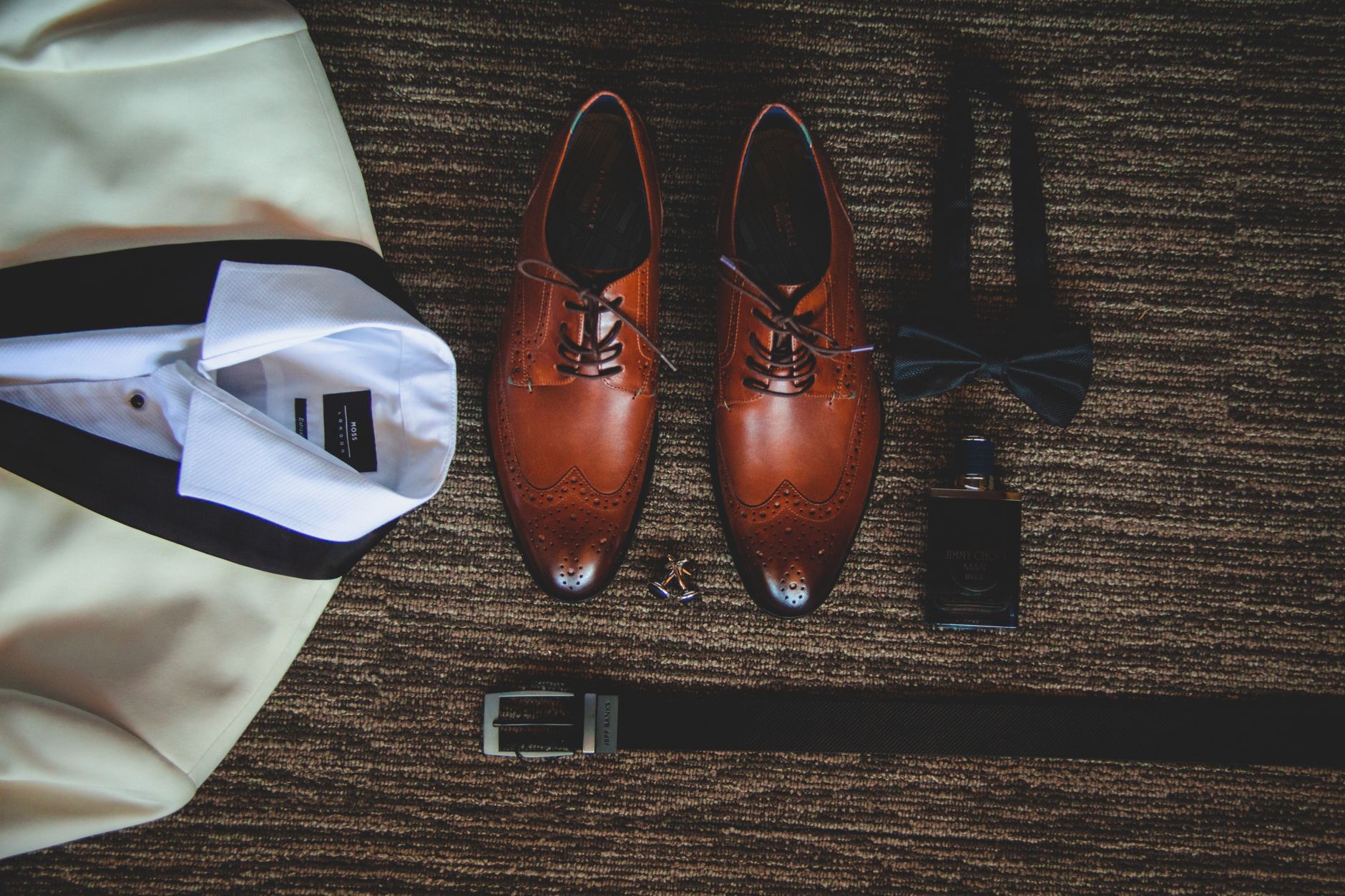
When it comes to dressing for formal occasions, the tuxedo stands as a symbol of elegance and sophistication. One common question that arises is whether to wear a belt with a tuxedo. The answer is nuanced and can depend on various factors such as personal style, the fit of the trousers, and tradition.
Understanding how to accessorize a tuxedo properly can enhance your overall look while ensuring you adhere to formal dressing conventions. This article delves into the considerations surrounding belts and tuxedos, providing styling tips and practical advice to help you look your best at any formal event.
Do You Wear a Belt with a Tuxedo?
Generally, wearing a belt with a tuxedo is not traditional and is often discouraged in formal settings. Instead, opt for suspenders or a well-fitting pair of tuxedo trousers designed to sit securely at your waist without the need for a belt. This choice offers a clean and polished appearance.
However, personal style choices and variations in tuxedo design can influence your decision. Here are some considerations to help you decide whether to wear a belt or not.
Understanding Tuxedo Trousers
Tuxedo trousers are typically designed with a higher rise and a more tailored fit. This allows them to stay in place without the assistance of a belt. Key features of tuxedo trousers include:
- Waistband Style: Many tuxedo trousers come with a hidden or satin waistband, which can lend a sleek look without the distraction of a visible belt.
- Fit: Properly tailored trousers hug the waist and rise along the hips, mitigating the need for extra support.
- Suspender Buttons: Some trousers have buttons inside the waistband for attaching suspenders, providing an alternative to belts.
- Tapered Legs: The style usually features tapered legs that offer a modern and tailored silhouette, adding to the formal nature of the outfit.
Alternative to Belts: Suspenders
Suspenders, also known as braces, are a classic alternative to belts when wearing a tuxedo. Here’s why they can be a great choice:
- Style: Suspenders add a vintage charm and elevate your overall look. They work particularly well with a tuxedo, maintaining the sophisticated vibe.
- Comfort: Unlike belts, suspenders distribute the trousers’ weight evenly and do not dig into the waist, allowing for better comfort during extended wear.
- Customization: They come in various materials, colors, and designs, allowing you to personalize your outfit while keeping it within formal boundaries.
Choosing the Right Suspenders
When opting for suspenders, consider the following:
- Material: Most formal suspenders are made of silk or a silk blend, providing a touch of luxury that complements a tuxedo.
- Color Coordination: Match the suspender color to your bow tie or cummerbund for a cohesive look. Classic colors include black, navy, or even a fine pattern that subtly stands out.
- Attachment Style: Look for clips or buttons depending on your tuxedo trousers’ design. Button-on suspenders offer a more classic look and may provide better stability.
When It’s Acceptable to Wear a Belt
While it is generally recommended to avoid belts with tuxedos, there are exceptions where wearing a belt may work:
- Casual Tuxedos: If the event is less formal and your tuxedo has a more relaxed fit, a sleek belt may complement the outfit.
- Fashion Forward Choices: Some contemporary designers incorporate belts into tuxedo designs for a modern twist; if your tuxedo is styled this way, wear the belt confidently.
- Personal Style: Ultimately, your style should reflect your personality. If a belt makes you feel more comfortable, opt for a sleek and minimalistic design.
Color and Fabric Coordination
Choosing colors and fabrics that complement your tuxedo is crucial for a polished look. Here are some guidelines:
- Classic Colors: Stick to traditional options such as black, midnight blue, or charcoal grey when selecting a tuxedo. If you decide to wear a belt, go for a matching shade for cohesion.
- Fabric Choices: Opt for luxurious materials; silk, wool, or blended fabrics enhance the elegance of a tuxedo and define a stylish silhouette.
- Contrasting Accents: Create visual interest with contrasting accents, such as a velvet bow tie with a wool tuxedo, leading to more flexibility in combining with accessories like belts or suspenders.
Footwear Considerations
Footwear plays a vital role in completing your tuxedo look. Here’s how shoes coordinate with your decision to wear a belt or not:
- Classic Oxfords: Black leather Oxfords or patent leather shoes are the preferred choice for tuxedos, aligning with both traditional and modern styles.
- Loafers: If you’re leaning toward a more relaxed tuxedo look, a sleek pair of loafers can be appropriate, especially in less formal settings.
- Color Coordination: Ensure that your shoe color matches your belt (if worn) for a harmonious appearance, typically sticking with black for formal events.
Accessorizing Your Tuxedo
Accessories can enhance your overall look. Consider adding these items if you’re not wearing a belt:
- Bow Ties and Ties: Match your bow tie to your cummerbund or vest for a well-coordinated appearance. Consider playful patterns if the event allows for it.
- Pocket Squares: A pocket square adds a dash of sophistication. Choose a color that complements your tie or shirt for an elegant pop.
- Cufflinks: Personalized cufflinks or classic designs elevate your tuxedo from ordinary to exceptional, making them a worthy addition.
Fit and Proportion
The fit of your tuxedo is arguably the most essential aspect of looking sharp. Here’s what to consider:
- Tailoring: Ensure your tuxedo is tailored to fit your body perfectly. Consider visiting a professional tailor if necessary.
- Proportion: Maintain balance in your outfit. If your tuxedo trousers are slim, pair them with a slim-fit tux jacket. Conversely, if you prefer a relaxed-fit trouser, ensure the jacket mirrors this style.
- Jacket Length: The jacket should cover your seat and fit well at the shoulders. This balance ensures the overall pairing looks intentional.
Seasonal Dressing with a Tuxedo
The season can dictate your fabric choices and layering options. Here’s how to adapt your tuxedo style throughout the year:
- Summer: Lightweight fabrics such as linen or tropical wool can help you stay cool. Look for sleeveless options or lighter tuxedo colors while adhering to formal guidelines.
- Winter: Choose thicker fabrics, such as wool blends or velvet, and layer with a thermal undershirt if necessary. Keep accessories like scarves and gloves aligned with the tuxedo color for unity.
Garment Care for Tuxedos
Proper care can extend the life of your tuxedo. Here’s how to manage its upkeep:
- Cleaning: Check the care label and opt for professional dry-cleaning, especially for formal materials.
- Storage: Hang your tuxedo in a breathable garment bag to prevent wrinkles and fabric damage.
- Repairs: Address any minor damage, such as loose threads or buttons, immediately to prevent larger issues over time.
The Fashion History of Tuxedos
Tuxedos have a rich history that adds to their significance in formal settings. Understanding this history amplifies your appreciation for the garment:
- Origins: The tuxedo originated in the mid-19th century as a more relaxed version of formal tailcoats.
- Evolution: It gained popularity through the 20th century, evolving with changes in fashion and social norms.
- Cultural Significance: Today, tuxedos are often associated with high-profile events such as weddings and galas, making them a staple in formal menswear.
Final Thoughts on Tuxedo Styling
Your tuxedo should reflect your personal style while adhering to the expectations of formal attire. A belt may not be standard, but the choice ultimately lies with you. Consider how your selections align with the overall look you want to achieve.
Pay attention to fit, fabric, and the accessories that complement your tuxedo. Ultimately, the goal is to feel confident and poised, making the occasion memorable for all the right reasons.
For those interested in formal wear, check out our guides on black tie attire for men and black tie attire for women for more insights and tips on dressing sharply for formal events.