
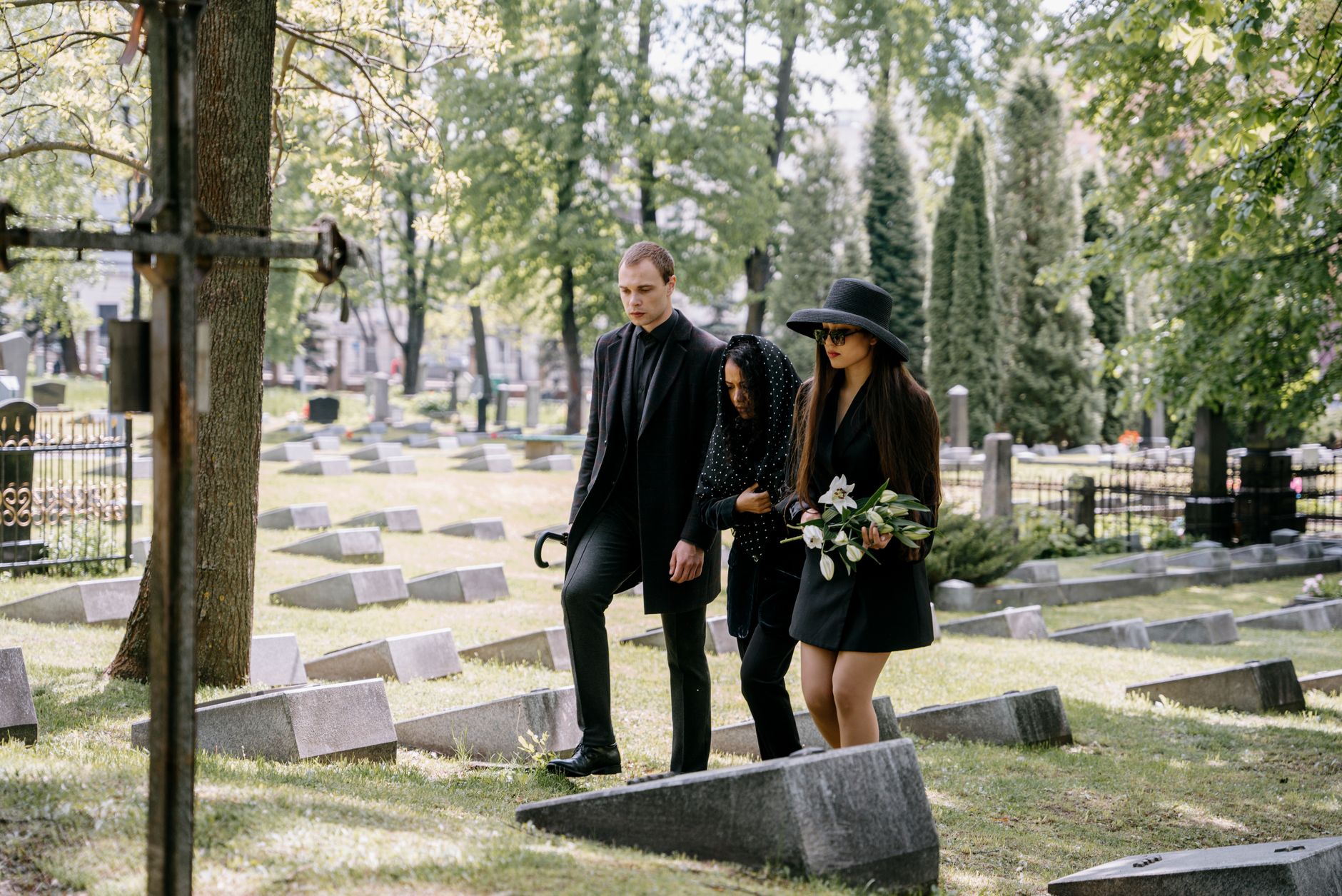
When attending a funeral, dressing appropriately is essential to show respect for the deceased and their family. While the primary focus should always be on the occasion and the people involved, knowing what not to wear can help ease the decision-making process.
Funerals can vary widely in terms of location, culture, and personal customs, but there are generally accepted guidelines regarding attire. This guide will break down the main faux pas, clothing options to avoid, and tips to create a respectful and suitable outfit.
What Not to Wear to a Funeral?
When attending a funeral, the goal is to dress in a way that conveys respect and mourning. Avoid bright colors, casual clothing, overly revealing outfits, loud patterns, or anything that could distract from the solemnity of the occasion. Aim for understated elegance and professional attire.
Colors to Avoid
In general, darker colors are favored for funerals, but there are specific shades that are best avoided:
- Bright Colors: Neon hues like bright pink, yellow, orange, and vivid green are too cheerful for a funeral atmosphere.
- Pastels: Soft colors might also come off as too light and inappropriate for a solemn occasion.
- Patterns: Loud prints can draw attention away from the grieving family and the purpose of the gathering. Opt for solids or subtle textures instead.
Types of Clothing to Skip
Choosing the right outfit can be tricky. Here are categories of clothing to avoid:
- Casual Wear: This includes items like sweatpants, ripped jeans, shorts, and graphic tees. These may seem comfortable, but they come off as disrespectful.
- Revealing Attire: Low-cut tops, short skirts, or overly tight clothing can be deemed inappropriate. It’s essential to dress in a way that reflects the mood.
- Denim: While dark jeans can sometimes be acceptable in more casual settings, it’s generally best to avoid denim entirely. Opt for dressier materials to maintain a more formal appearance.
- Sportswear: Avoid athletic gear such as leggings or joggers unless specified in the dress code. They fall too far into the casual category.
- Overly Trendy Items: Outfits that are too fashion-forward or experimental disrupt the tone of the occasion. Stick to classic pieces that won’t fight for attention.
Footwear Choices to Avoid
Appropriate footwear can further elevate or diminish your funeral outfit. Here’s what to stay away from:
- Flip-Flops: Open-toed sandals or excessively casual shoes like flip-flops usually come off as disrespectful and are not appropriate for formal occasions.
- Brightly Colored Shoes: Just like your clothing, your shoes should also reflect somberness. Avoid loud colors or excessive embellishments.
- Sneakers: Unless specified as acceptable, athletic shoes or sneakers are typically out of place at funerals. Opt for more polished options instead.
Accessories to Avoid
Even accessories can detract from the experience. Here are items to leave at home:
- Overly Flashy Jewelry: Avoid large, ostentatious pieces that may create noise or draw attention. Stick with simple and muted accessories.
- Bright Handbags: A colorful handbag may divert attention from the solemnity of the event. Opt for understated side bags in dark or neutral colors.
- Large Hats: While a subtle hat can be stylish, overly large or attention-grabbing hats can distract from the service.
Seasonal Considerations
How you dress may also vary depending on the season. Here’s how to adapt your outfit for different climates:
Winter Attire
- Layer up with a tailored coat, ensuring it’s in a dark color for seriousness.
- Wool trousers or dark tailored pants paired with a smart shirt and sweater work well.
- Footwear should include closed-toed shoes or boots in leather or a dark finish.
Summer Attire
- Opt for lightweight, breathable fabrics like cotton or linen without compromising on modesty. A knee-length dress is a good choice for women.
- For men, consider tailored shorts or chinos with a shirt. Use breathable dress shoes.
- If outdoors, remember to factor in potential sun exposure and headwear, ideally a subtle, dark cap.
Modern Alternatives and Personal Style
While tradition is key, personal style can still shine through within the dress code’s framework. Here are ways to incorporate that personal touch:
- Wardrobe Essentials: A well-fitted black blazer and dark trousers are timeless staples. You can layer over a classic white shirt or blouse.
- Footwear Options: Despite the general recommendations, you can opt for stylish loafers or ankle boots that complement your outfit without being attention-seeking.
- Textures and Fabrics: Incorporate subtle textures like a fine wool blend or silk for added sophistication without straying into flamboyance.
Respecting Cultural Sensitivities
Attire can also depend on religious or cultural customs. Always try to honor these aspects:
- For example, some traditions may embrace vibrant colors instead of all-black outfits, while others may have specific dress codes regarding head coverings.
- If you’re unsure, do some research in advance or consult family members who can guide you.
Final Touches
When finalizing your outfit, consider additional components that enhance your respectful presentation:
- Grooming is vital. Make sure your hair is neat, and minimize makeup use to keep a natural look.
- Consider bringing a understated wrap or pashmina for warmth and added modesty during the service.
- Be mindful of scent. Opt for minimal or no fragrance to respect sensitivity around smells in curated indoor environments.
Common Mistakes to Avoid
Being mindful of alternatives can significantly affect your overall presentation. Here are a few pitfalls to be wary of:
- Oversized Garments: While comfort is important, clothing that is too baggy can appear sloppy. Aim for a well-fitted silhouette.
- Ignoring Dress Codes: Some families may specify dress requirements. Check invitations or consult with family if unsure.
- Wearing Casual Watches: A watch that’s too flashy or sports-oriented can distract. Choose something simple and timeless.
Garment Care and Maintenance
Ensure your chosen attire looks polished for the funeral:
- Ironing: Make sure to iron clothes ahead of the event to produce a crisp, neat appearance.
- Stain Removal: Always check for stains before the event. If you’ve worn the clothes prior, give them a good lookover.
- Cleaning: Follow the care label for cleaning instructions to maintain the garment’s integrity.
Conclusion
Dressing appropriately for a funeral doesn’t have to be overwhelming. By avoiding bright colors, casual clothing, and overly flashy accessories, you can create a respectful outfit while still reflecting your own style. It’s essential to keep the focus on honoring the deceased and supporting the grieving family.
Take time to plan your outfit and check the fit, ensuring everything is polished and presentable. For further insights on appropriate attire, consider exploring more about what to wear to a funeral for women and general funeral attire guidance.