
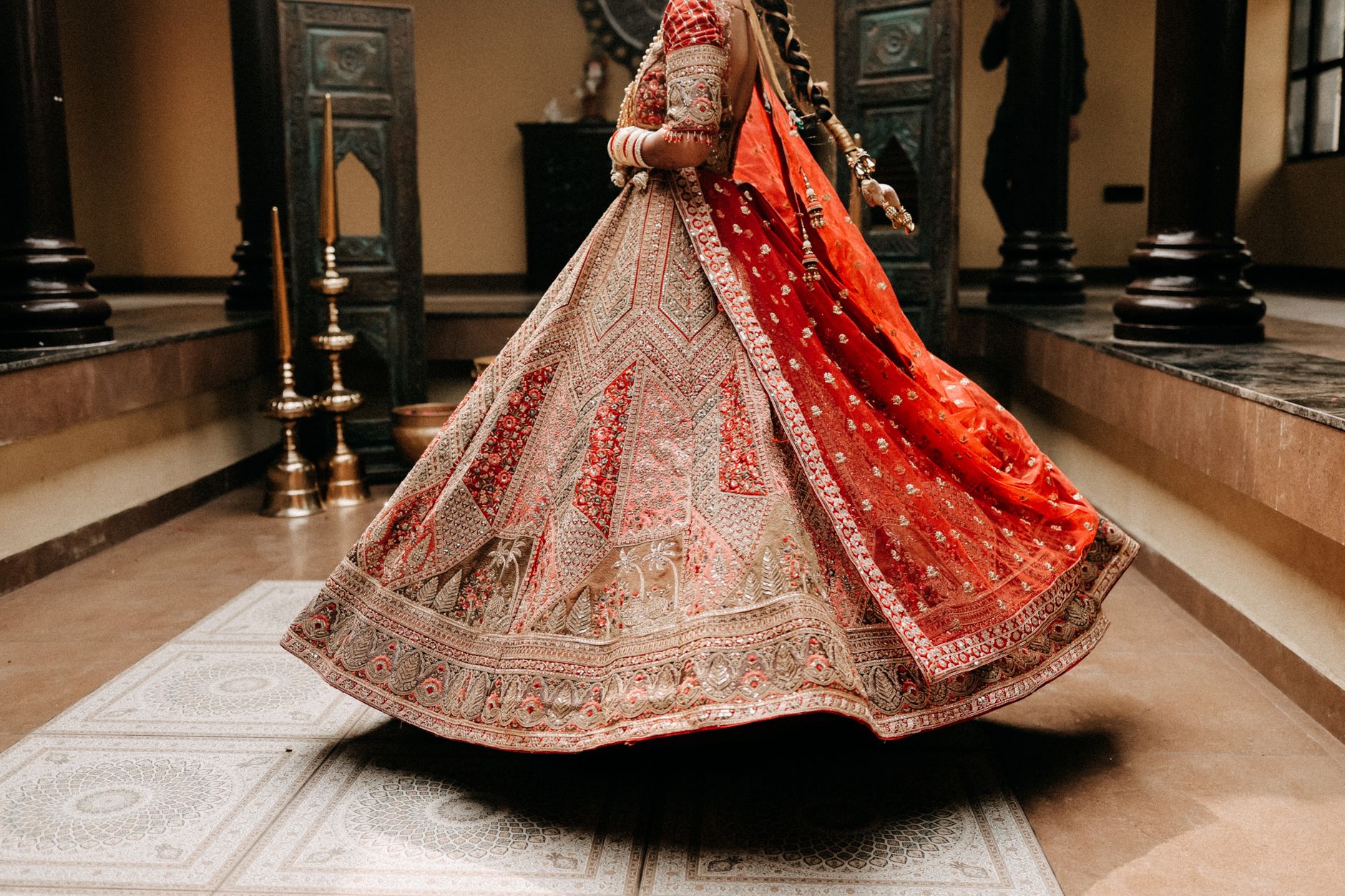
Traditional Indian design is a rich tapestry woven from the diverse cultures, histories, and artistry of India. It encapsulates distinct patterns, textures, and techniques that have evolved over centuries, showcasing the essence of regional craftsmanship and storytelling through textiles and apparel.
This style guide will delve into the significant aspects of traditional Indian design, including its artistic meaning, vibrant patterns, essential garments, and how to incorporate these styles into your modern wardrobe for a balanced and expressive look.
What Is Traditional Indian Design?
Traditional Indian design refers to the artistic and cultural expressions found in India’s various textile arts, clothing, and ornamentation. Characterized by intricate designs, vibrant colors, and a deep connection to cultural heritage, these designs often reflect historical influences, regional craftsmanship, and spiritual significance.
Woven into the fabric of India’s identity, traditional designs are seen in sari drapes, embroidered kurtas, and handcrafted accessories. These elements not only represent aesthetic beauty but also convey stories, festivals, and traditions, making each piece a wearable piece of art.
Key Elements of Traditional Indian Design
Understanding traditional Indian design requires appreciating various key elements that distinguish it from other styles. The crucial aspects include motifs, colors, fabrics, and craftsmanship.
Motifs and Patterns
Traditional Indian textiles often feature intricate motifs inspired by nature, mythology, and geometric shapes. Common motifs include:
- Floral patterns
- Peacock designs
- Geometric shapes
- Religious symbols
Each design tells a story or represents cultural symbolism. For instance, floral motifs can symbolize prosperity and beauty, while geometric patterns often signify harmony and balance.
Color Palettes
The color palette in traditional Indian design is vibrant and bold. Bright hues such as reds, yellows, and greens reflect the vivacious spirit of Indian festivals, while earthy tones like browns and beiges reflect regional crafts and textiles. Here are some common color associations:
- Red: Love and passion
- Yellow: Joy and brightness
- Green: Fertility and growth
- Blue: Peace and tranquility
Fabrics and Textiles
India is known for its diverse textile production, including:
- Cotton: Known for its breathability, perfect for the hot climate.
- Silk: Luxurious and often used for formal wear and weddings.
- Wool: Suitable for colder regions and elaborate shawls.
- Linen: Lightweight and ideal for casual wear.
Each fabric carries its history and cultural significance. For instance, silk from Varanasi (Banaras) is revered for its traditional weaving techniques and elegance.
Craftsmanship and Techniques
The craftsmanship present in traditional Indian clothing is often done by hand, showcasing techniques passed down through generations. Some notable techniques include:
- Block printing: Using hand-carved wooden blocks to create patterns.
- Embroidery: Styles such as Zardozi and Kantha embroidery add depth and texture.
- Weaving: Techniques like Ikat and Jamdani produce intricate textile designs.
This dedication to craftsmanship ensures that every piece is unique, telling the story of the artisan who made it.
Popular Traditional Indian Outfits
To fully experience traditional Indian design, familiarizing oneself with popular garments is essential. Each piece serves a purpose based on occasion and cultural significance.
Women’s Attire
- Sari: A quintessential piece of Indian clothing, the sari is a long piece of cloth draped elegantly around the body. It comes in various fabrics and styles, perfect for occasions like weddings or festivals.
- Kurti: A stylish tunic, kurtis can be paired with leggings or palazzos for both casual and formal settings. Look for intricate embroidery or block prints for a traditional touch.
- Anarkali Suit: This elegant dress features a fitted bodice and a flared bottom, usually paired with a dupatta. The Anarkali is often chosen for festive celebrations.
- Lehenga: A traditional skirt paired with a choli (blouse), lehengas are often worn at weddings and significant events. They can be heavily embellished, embodying the artistry of traditional designs.
Men’s Attire
- Kurta: A comfortable, loose-fitting tunic that can be worn with churidars or jeans; ideal for casual settings or festive gatherings.
- Sherwani: A formal jacket-like attire often worn at weddings, sherwanis come embellished with embroidery and can be paired with churidars for a regal look.
- Dhoti: A traditional men’s garment, the dhoti is a long piece of cloth tied around the waist, offering comfort and elegance, especially at cultural events.
- Nehru Jacket: This stylish waistcoat can be layered over a kurta for a polished look, suitable for formal gatherings.
Incorporating Traditional Indian Design into Your Wardrobe
Integrating traditional Indian designs into your everyday wardrobe can be a rewarding way to reflect personal style while honoring cultural heritage. Here are some practical tips and outfit ideas to help you get started.
Mix and Match Outfits
Combining modern silhouettes with traditional textiles allows for versatile outfits. Here are some combinations:
- Pair a cotton kurta with white straight-leg jeans for a casual lunch meeting.
- Style a patterned sari with a fitted blouse and statement earrings for an evening celebration.
- Combine a printed Anarkali with flat sandals for a relaxed yet polished look.
- Layer a Nehru jacket over a plain t-shirt with chinos for a sophisticated brunch outfit.
Wardrobe Essentials for Traditional Styles
Building a capsule wardrobe around traditional Indian designs can ensure you have versatile options on hand. Key essentials to consider include:
- A variety of kurtas in different lengths and patterns for casual and formal occasions.
- At least one elegant sari or lehenga for weddings and festive events.
- A couple of pairs of well-fitted churidars or leggings.
- Stylish footwear, including juttis or kolhapuri chappals, that complement your outfits.
- Statement jewelry pieces that can elevate even the simplest attire.
Color Coordination and Layers
When coordinating colors, consider complementary shades to enhance traditional designs. Use the following tips for effective color coordination:
- Choose a primary piece (like a vibrant saree) and select accessories in muted tones to balance the look.
- For printed outfits, opt for solid-color bottoms or vice versa.
- Layering with contrasting textures, such as pairing a silk kurta with cotton trousers, adds depth to your outfit.
Occasion Dressing with Traditional Indian Design
Dressing for specific occasions often requires a thoughtful approach to outfit selection, especially when incorporating traditional elements. Here are some guidelines based on common occasions:
Festivals
Festivals are rich with color and vibrancy. Consider wearing:
- Brightly colored saris embellished with traditional embroidery for women.
- Elegant kurtas made of silk with intricate detailing for men.
Weddings
Wedding attire typically requires more flamboyance. Opt for:
- Heavily embroidered lehengas or anarkalis for ladies, paired with statement jewelry.
- A well-fitted sherwani with embellishments and a dupatta for men.
Workwear
Modernizing traditional designs is perfect for professional settings. Choose:
- Simple kurtas with straight pants or palazzos for comfort and style.
- A tailored waistcoat with a shirt and trousers for men, maintaining a professional yet cultural flair.
Casual Outings
For casual outings, look for:
- Comfortable cotton kurtas paired with denim or leggings.
- Soft, unembellished lehengas for brunches or casual parties.
Garment Care for Traditional Fabrics
Understanding how to care for traditional Indian fabrics is vital to preserve their beauty and longevity. Different fabric types require different care methods.
Cotton Care
- Always wash in cold water to avoid shrinking.
- Avoid harsh detergents; opt for mild soap instead.
- Dry in shade to preserve color vibrancy.
Silk Care
- Dry clean silk garments to maintain their luster.
- If washing at home, use lukewarm water with a gentle silk detergent.
- Avoid sun exposure to prevent fading.
Wool Care
- Hand wash in cold water with wool-specific detergent.
- Lay flat to dry to prevent stretching.
- Store in a cool, dry place to avoid moths.
Where to Shop Traditional Indian Design
Finding authentic traditional Indian clothing and accessories can be a delightful experience. Here are some tips for shopping:
Local Markets and Boutiques
Exploring local markets can help you discover unique handcrafted pieces.
- Look for local artisans selling their creations, ensuring that you support small businesses.
- Check for traditional fabric stores specializing in regional textiles.
Online Retailers
Many online platforms offer a wide range of traditional Indian clothing. Consider these guidelines while shopping online:
- Read sizing information carefully, as sizes may vary across brands.
- Check return policies to ensure you can exchange or return if items do not fit.
Craft Fairs and Festivals
Attending craft fairs provides opportunities to meet artisans and purchase directly from them.
- Look for regional fairs celebrating Indian craftsmanship, where unique designs often emerge.
- Participate in cultural festivals that showcase traditional wear often available for purchase.
Conclusion
Traditional Indian design is a beautiful blend of culture, history, and artistry. By understanding its key elements and incorporating them into your wardrobe, you can celebrate this vibrant heritage stylishly and meaningfully. Start by mixing traditional pieces with modern clothing in ways that resonate with your personal style, and don’t hesitate to experiment with different colors and patterns.
As you embrace this enchanting style, consider experimenting with an outfit combination that excites you, such as a vibrant sari paired with elegant accessories or a well-fitted kurta with modern bottoms. Embrace traditional Indian design as you explore the depths of your personal fashion journey!
For further inspiration, explore related outfit ideas, styling tips, or fashion guides to enrich your wardrobe and elevate your personal style.