
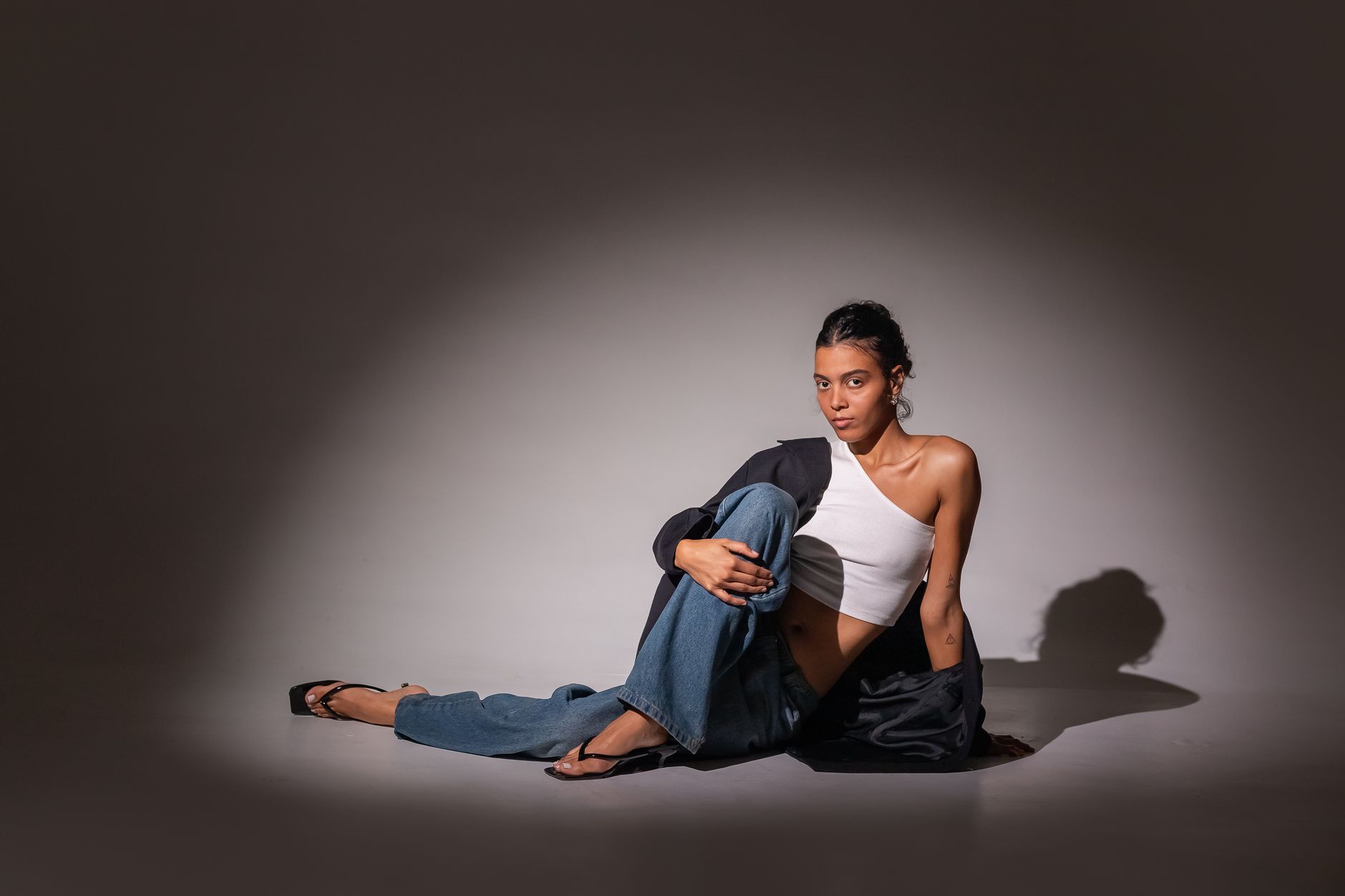
Posing for photos in modeling is an essential skill that can significantly impact how garments are presented and perceived. It’s not just about standing still; it involves a blend of body angles, facial expressions, and movements that can enhance the appeal of clothing and accessories. This article explores the nuances of posing in modeling, guiding you through effective techniques, outfit ideas, and the importance of posture and expression.
The art of posing goes beyond simply looking good for the camera. It’s about telling a story through your body language and expression, facilitating a visual narrative that resonates with the viewer. Whether you’re a budding model or an enthusiastic content creator, mastering the basics of posing can elevate your photography game.
What Is Posing for Photos in Modeling?
Posing for photos in modeling means adopting specific body positions and expressions to create visually captivating images. This not only showcases garments beautifully but also conveys a mood or theme that enhances the overall aesthetic. Effective posing can draw attention to the fashion being displayed and communicate a designer’s vision.
The Importance of Posing in Fashion Photography
Posing plays a crucial role in fashion photography for several reasons:
- Showcases the Garment: Good poses highlight the fit and flow of the clothing, allowing viewers to appreciate the fabric, cut, and design details.
- Conveys Emotion: Different poses evoke varying emotions, allowing the model to connect with the audience and convey the desired sentiment of the shoot.
- Enhances Composition: Thoughtful poses can create a more dynamic composition, drawing the viewer’s eye and making the photograph more engaging.
- Represents Brand Identity: Models embody the brand’s image, and how they pose can communicate the brand’s ethos, whether it’s playful, sophisticated, or edgy.
Basic Posing Techniques
For those new to posing, here are fundamental techniques to ensure successful photos:
1. Use Angles
Instead of standing straight on, use angles to create a more flattering silhouette. Position your body slightly to one side and shift weight onto one leg. This technique can create curves and add dimension to your pose.
2. Relax Your Body
Stiff poses often lead to awkward images. Make sure to relax your shoulders, hands, and facial muscles. A relaxed body looks more natural and engaging. Try shaking out tension before the shoot.
3. Find Your Best Side
Most people have a preferred side that they feel more confident showcasing. Experiment with turning your body slightly left or right to discover angles that highlight your facial features and shape.
4. Mind Your Hands
Hands can be expressive, but they can also look awkward if not positioned correctly. Avoid letting your arms hang limply. Instead, consider placing hands on hips, lightly touching your face, or creating gentle shapes to convey motion or elegance.
5. Facial Expressions
The face tells a story. Practice different expressions in front of a mirror. Smiling, looking away from the camera, or using a soft gaze can evoke various emotions. Be mindful of your mouth and eyes, as they significantly influence the image’s tone.
Posing for Different Types of Outfits
Each outfit type may require different posing techniques to best showcase the clothing. Here’s how to pose effectively for various styles:
Casual Wear
For casual outfits, adopt relaxed poses. Here are some ideas:
- Leaning: Lean against a wall or sit casually on a staircase. This can create a laid-back vibe and help you appear more approachable.
- Movement: Incorporate slight movement by walking toward the camera or twirling. This emphasizes the comfort and flow of casual wear.
- Hands in Pockets: Place hands in your pockets for a nonchalant look. This can also accentuate any trousers or jeans.
Business Attire
Professional wear should project confidence and authority. Here are tips for posing in business attire:
- Standing Tall: Maintain good posture, standing tall with shoulders back. This posture conveys confidence.
- Crossing Arms: A powerful pose, crossing your arms can suggest authority. Just ensure it doesn’t seem closed off.
- Sitting with Poise: When seated, keep your legs crossed at the ankles and sit straight. This maintains a professional aesthetic.
Formal Wear
For elegant attire, such as gowns or tuxedos, posing should reflect sophistication:
- Soft Angles: Rather than sharp angles, employ gentle curves. This flatters the figure and complements formalwear.
- Using Props: Consider utilizing props like a clutch or a jacket. These can add interest and streamline your poses.
- Graceful Movement: Incorporate movement like a slight turn or tilting your head for a more dynamic shot.
Active Wear
When it comes to activewear, focus on movement that showcases flexibility and comfort:
- Action Poses: Jumping, stretching, or running can capture the essence of activewear while demonstrating its performance.
- Dynamic Angles: Tilt your torso or shift your legs for more energetic angles that reflect vitality.
- Interactive Props: Use items like yoga mats or weights to pose with, adding authenticity to your photoshoot.
Posing for Different Occasions
Adjust your posing style according to the occasion at hand. Here are a few tips for different settings:
Casual Gatherings
In friendly settings, adopt more playful poses. Here are suggestions:
- Laughter: Laughing or mid-sentence expressions create a warm and inviting atmosphere.
- Group Poses: Experiment with different configurations, such as forming a triangle, to create balance and harmony.
Professional Events
Maintain poise and confidence at professional gatherings:
- Smart Stance: Keep a steady, confident stance. Avoid slouching to project professionalism.
- Engaged Expressions: A slight smile can create an inviting demeanor while keeping a serious undertone.
Celebrations and Special Events
Bring charisma into celebratory occasions:
- Fun Poses: Use props like balloons or champagne glasses to make poses feel festive.
- Partner Poses: Involve friends or loved ones. Using body language that connects with them builds a lively atmosphere.
Understanding Your Body Type and Outfit Coordination
Not all poses flatter all body types equally. Knowing your body shape helps you choose outfits and poses that resonate with your physical features. Here’s how to coordinate your posing with your body type:
Hourglass Shape
With a balanced bust and hip ratio, your focus can be enhancing your curves:
- Waste Highlight: Use poses that draw attention to your waist, like placing a hand on your hip.
- Lean Forward: Leaning slightly can accentuate your neckline and create a more defined silhouette.
Pear Shape
With a narrower bust and wider hips, the goal is to create balance:
- Employ A-Line Styles: Choose outfits that provide structure around your waist and flow around your hips.
- Showcase Your Upper Body: Focus on poses that highlight your shoulders and arms, creating a more proportionate appearance.
Apple Shape
With wider shoulders and a less defined waist, the objective is to elongate your torso:
- Avoid Straight-At-You Poses: Position your body at a slight angle to create more definition.
- Layering: Employing layers can provide structure and styling options, creating interest beyond the waist.
Rectangular Shape
Offering a straight silhouette, your goal may be to create curves:
- Utilizing Belts: Use belts to cinch your waist and build a defined shape.
- Emphasizing Movement: Engage in dynamic poses that evoke flair, like twisting your torso or bending your knees.
Tips for Capturing Great Photos
Now that you understand posing, let’s consider tips for making the actual shot count:
Lighting
Good lighting can transform a photo. Aim to shoot in natural light whenever possible. This soft, flattering light minimizes shadows and highlights contours of the outfit effectively.
Background Selection
The background can enhance or detract from the overall photo. Choose settings that complement the colors and style of your outfit. Neutral backgrounds often work well, letting the clothing and model shine.
Working with a Photographer
Clear communication with the photographer about the desired mood, style, and angles helps in capturing the intended outcome. Don’t hesitate to share your vision, as collaboration can yield better results.
Practice Makes Perfect
Take time to practice your posing skills regularly. Here are approaches to refine your poses:
- Selfie Practice: Use your phone’s camera in different settings to experiment with angles and face expressions.
- Mirror Work: Practice in front of a mirror to see how different poses work with your body shape.
- Study Great Poses: Look at fashion magazines and Instagram accounts to analyze how professional models pose and what makes their images engaging.
Wardrobe Essentials for Posing
Having a versatile wardrobe can assist in posing for different occasions. Here are key pieces to consider:
- Basic Tops: Opt for an array of fitted and flowing tops to allow for various poses.
- Structured Blazers: These create a tailored look, adding polish to poses.
- Tailored Trousers: A staple that works well in both casual and formal settings, offering good angles.
- Versatile Dresses: A classic little black dress can be styled differently and works well across various occasions.
- Comfortable Footwear: Shoes should complement your outfit but also let you pose comfortably.
Fabrics and Fit Considerations
Understanding fabrics and fit plays a significant role in modeling poses:
Fabric Characteristics
Selecting the right fabric helps in achieving the desired silhouette. Here’s what to consider:
- Drape: Fabrics that drape well, like silk or jersey, can create soft, flowing lines in poses.
- Stiffness: Structured fabrics, such as cotton blends, offer a tailored look that can enhance angles.
Fit Considerations
Fit is fundamental in posing. Well-fitted clothing allows for ease of movement, ensuring you feel comfortable while posing:
- Know Your Size: Always choose the right size for a flattering silhouette. Consider trying sizes above and below your usual size for unexpected fits.
- Tailoring: When necessary, tailoring can help pieces mold exactly to your body shape, enhancing your overall appearance in photos.
Conclusion and Next Steps
Posing for photos in modeling is more than merely standing in front of the lens; it’s a vital skill that can enhance any outfit and capture the viewer’s attention. Whether you’re modeling casual wear or formal attire, understanding which poses work best for different situations and your unique body shape can significantly impact your photos. Start incorporating some of these techniques into your next photoshoot to discover what works best for you and your individual style.
As you practice your posing skills, explore related outfit ideas and styling tips on our blog for further inspiration about wardrobe essentials and seasonal dressing. Check out our guide on fashion and style tips or read more about smart casual dress codes to enhance your fashion sense.