
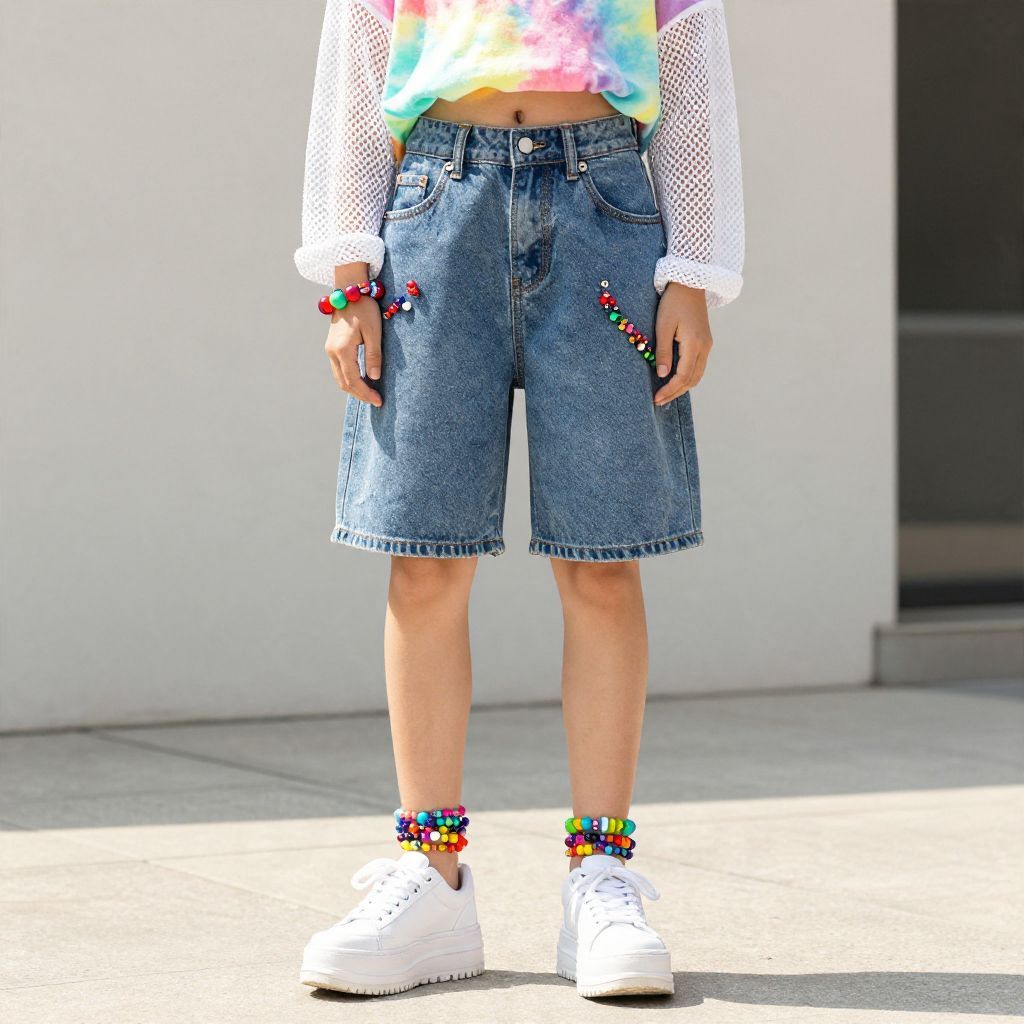
Kandi is a vibrant and expressive form of jewelry made primarily from plastic beads, often associated with rave culture and electronic dance music festivals. Originating from the P.L.U.R. (Peace, Love, Unity, Respect) philosophy embraced by rave attendees, kandi encompasses a visual and tactile celebration of creativity and individuality.
The allure of kandi lies in its ability to transcend mere adornment, allowing wearers to express their personal style and connection to the music and community they cherish. This article will explore what kandi is, its significance, and how you can incorporate it into your outfits for various occasions.
What Is Kandi?
Kandi is a type of handmade accessory usually made from colorful plastic beads, string, and other embellishments. Rave goers wear kandi on wrists, necks, and sometimes even as hair accessories. The creations can range from simple bead bracelets to intricate, multi-layered necklaces that showcase a variety of shapes, colors, and embellishments.
The term “kandi” itself is derived from the idea that these pieces create a sense of unity and friendship among festival-goers and ravers. Often, kandi is exchanged between individuals as a symbol of connection and shared experiences, notably during music festivals. This act of exchanging kandi is an extension of the PLUR philosophy, reinforcing bonds within the community.
History of Kandi
The evolution of kandi can be traced back to the 1990s when rave culture began to explode in popularity in cities around the world. Originally, kandi was created using simple bead techniques and often incorporated elements of pop culture, personal interests, and the aesthetics of the time. As the rave scene diversified and grew, so too did the intricacy and creativity of kandi creations.
Over time, kandi has become more than an accessory; it embodies the spirit of the electronic dance music (EDM) culture. As new music genres emerged, so did new styles of kandi, with individuals embracing more complex designs, glitter, and innovative bead patterns. The versatility of kandi continues to be a driving factor in its popularity, as it attracts not only rave enthusiasts but also those drawn to DIY culture and vibrant fashion.
Examples of Kandi
Kandi comes in a multitude of forms, each expressing the unique style and creativity of its creator. Here are some popular examples of kandi pieces:
- Kandi Bracelets: The most common form of kandi, these can be worn in stacks or individually. Colors and patterns vary greatly, allowing for personalization with charm beads, words, or symbols that carry specific meanings.
- Kandi Necklaces: Often larger than bracelets, necklaces can span large lengths and include unique pendants, charms, and intricate beading techniques.
- Kandi Rings: Many kandi enthusiasts create rings using stretchy string and beads. These can be simple or heavily embellished.
- Kandi Hats and Hair Accessories: Beads can also be strung into hats, headbands, and hairpieces, allowing wearers to express their creativity in a distinctive, eye-catching way.
- Kandi Outfits: Some individuals take kandi to the next level by incorporating beaded elements into their clothing, creating full ensembles that are as colorful and vibrant as the festivals themselves.
Incorporating Kandi into Your Wardrobe
While kandi is traditionally associated with festival culture, it can also be seamlessly integrated into everyday outfits. Here are some ideas on how to incorporate kandi into various styles:
Casual Wear
For a laid-back, casual outfit, consider pairing a simple t-shirt and high-waisted jeans with a stack of colorful kandi bracelets. This effortlessly adds a pop of color and personality to any outfit. Choose t-shirts with fun graphics or band logos to combine multiple styles.
Work Wear
To subtly include kandi in a professional setting, opt for a single, elegant kandi bracelet paired with a structured blouse and tailored pants or a pencil skirt. Choose more muted colors for the kandi piece to maintain a sophisticated look without overwhelming your office attire.
Festival Outfits
Festivals are the perfect opportunity to unleash your creativity with kandi. Consider layering multiple kandi bracelets, pairing them with a bold crop top and high-waisted shorts or a flowing maxi skirt. Complete the look with breathable shoes, like gladiator sandals or brightly colored sneakers, and don’t forget to accessorize with kandi earrings or hair clips!
Special Occasions
For themed events, such as parties or costume gatherings, you can embrace the flamboyant aspects of kandi through extravagant jewelry designs. Coordinate your kandi with a vibrant dress or jumpsuit that emphasizes your personal flair. You could even create special kandi pieces personalized for the theme or occasion.
Choosing Kandi Colors and Patterns
Selecting the right colors and patterns for your kandi is essential in expressing your individual style. Here are some tips on how to choose colors effectively:
- Consider your skin tone: Warm skin tones often pair well with earthy colors and warm shades, while cooler skin tones can complement brighter, bolder colors.
- Go for contrast: Use complementary colors to create dynamic looks. For example, pairing bright colors like pink and green can create striking visual interest.
- Experiment with gradients: Gradually transitioning colors within your kandi pieces can create stunning effects and ensure a cohesive appearance.
- Add patterns: Don’t hesitate to mix and match patterned beads with solid colors. Stripes, florals, and geometric prints can add depth to your kandi ensembles.
Layering Kandi for Maximum Impact
Layering kandi is not only a method for achieving a bold aesthetic but also a way to convey personal messages through your accessories. Here’s how to layer effectively:
- Start with a base: Begin with a foundational piece, such as a simple single-strand kandi bracelet. This will serve as a base for additional layers.
- Mix sizes and textures: Incorporate varying bead sizes and textures for a visually engaging look. Beads can range from large focal points to delicate accent pieces.
- Be mindful of balance: When layering thicker pieces, balance them with lighter ones to maintain a comfortable fit and visual harmony.
- Intentional spacing: Space out different styles to create an organized layered look. Avoid overcrowding by alternating between larger and smaller pieces.
Care Instructions for Kandi
Kandi items, although fun and vibrant, require care to maintain their quality over time. Here are some guidelines for taking care of your kandi:
- Avoid moisture: Keep your kandi away from water to prevent deterioration. This means removing it before physical activities like swimming or exercising.
- Store properly: Keep kandi in a cool, dry place. Use containers like pencil cases or jewelry boxes to avoid tangles and damage.
- Cleaning: If your kandi gets dirty, gently wipe it with a damp cloth and pat dry. Avoid excessive scrubbing as this may damage the beads’ surface.
- Handle with care: When putting on or taking off your kandi, do so gently to prevent stretching or breakage.
Kandi-Making Tips
If you’re interested in creating your own kandi, here are some essential tips to get you started:
- Gather your supplies: You’ll need elastic string, assorted beads, scissors, and any additional embellishments or charms you’d like to include.
- Plan your design: Before stringing beads, sketch out a basic design with a color scheme or pattern. This helps in visualizing the final product.
- Measure properly: When cutting your elastic string, allow extra length for tying knots. A good rule is to measure it around your wrist (or desired area) plus a few extra inches.
- Be creative: Don’t be afraid to experiment with various colors, shapes, and styles. The beauty of kandi lies in its diversity and personal expression.
Where to Buy Kandi
While creating your own kandi offers a personal touch, you can also purchase premade pieces from various sources. Consider the following options:
- Online retailers: Websites like Etsy, Amazon, and specialty rave clothing shops often have unique kandi options, including handmade and customizable pieces.
- Local craft stores: Craft and hobby stores often carry supplies for making kandi as well as premade jewelry.
- Community events and festivals: Attending local raves or craft fairs can connect you with local kandi artists and vendors, where you can find unique pieces.
Cultural Significance of Kandi
While kandi is often associated with rave culture, it’s essential to acknowledge the broader cultural significance it can carry. Kandi serves as a method for community building, allowing wearers to connect with others on a personal level, regardless of their background or personal narrative.
The tradition of exchanging kandi, especially during significant moments at parties or festivals, reinforces themes of acceptance and connection. Each piece serves as a reminder of shared experiences and friendships forged in the most inspirational of environments.
Conclusion
Kandi embodies self-expression, creativity, and community, making it more than just a fashion accessory. Whether you choose to incorporate it into your casual, work, or festival attire, kandi can enhance your personal style while connecting you to a broader cultural movement. With an array of options at your disposal, from handmade creations to inspiring layering, your kandi journey can be as enjoyable as the vibrant jewelry itself.
To further explore outfit ideas and styling tips, visit our articles about business casual options and smart casual dress codes to find the perfect pieces for any occasion.