
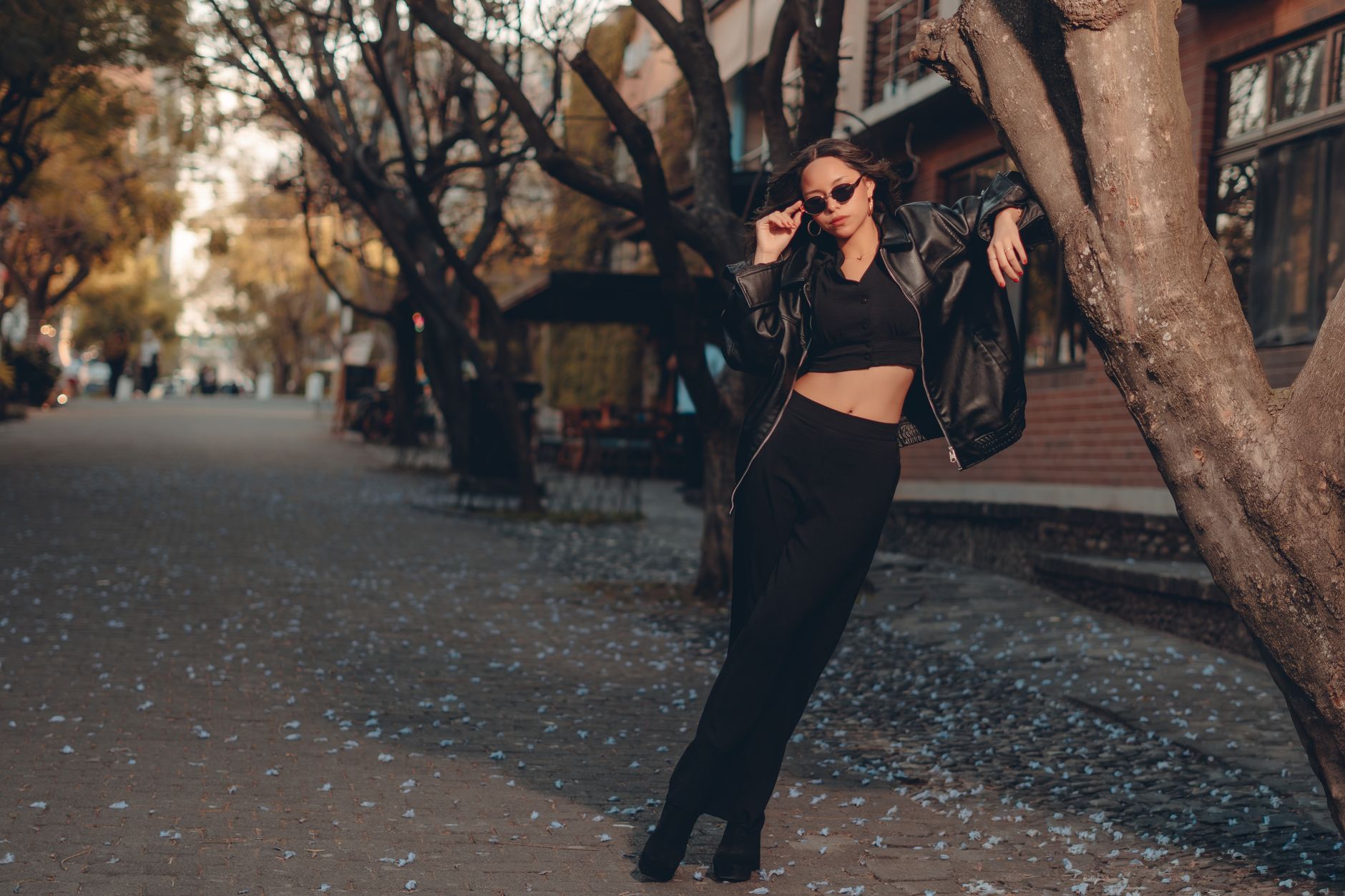
Understanding the term “petite” goes beyond just height. In fashion, it refers to a specific sizing category designed for individuals typically 5’4″ (162.5 cm) and under. This article dives deep into what petite means, its origins, and how to style your wardrobe effectively if you fall into this category.
The petite category isn’t just for women; it can also encompass a range of stylish options for men and those who identify outside the traditional gender binary. Let’s explore how to embrace this sizing and effectively build a wardrobe that suits your unique frame.
What Does Petite Mean?
Petite is a term used in the fashion industry to classify clothing specifically designed for individuals who are shorter than average—often under 5’4″. This sizing encompasses not only length but also proportion adjustments. Petite clothing typically features shorter inseams, adjusted waistlines, and structured silhouettes that streamline and enhance a smaller frame.
The Origins of the Petite Concept
The term “petite” has its roots in the French language, where it means “small” or “little.” In the early 20th century, as fashion evolved, it became apparent that shorter individuals faced challenges in finding well-fitting clothing. Designers began to acknowledge this need, ultimately leading to the classification of petite sizing in fashion.
The Evolution of Petite Sizes
Once a niche market, the demand for fashionable petite options has grown significantly. Today, many brands recognize the importance of catering to this demographic, offering not only conventional clothing but also activewear, evening gowns, and casual outfits specifically tailored for shorter frames.
Understanding Fit and Proportion
For petite individuals, fit and proportion are crucial. Generally, standard sizes can be overwhelming and ill-fitting, leading to a variety of styling challenges. Here are a few key aspects of fit to consider:
- Length: Petite clothing usually has shorter lengths on sleeves, tops, and pants, ensuring that everything sits at the right place on your body.
- Proportion: Garments are designed to maintain balance. For example, a petite person may look proportional in a higher waistline, which elongates the legs.
- Silhouette: Structured clothing with clean lines can help define body shape without overwhelming proportions.
Style Tips for Petite Fashion
Finding the right pieces and putting together flattering outfits can make a world of difference. Here are some styling tips to help you choose and combine your wardrobe essentials:
Outfit Combinations
Creating outfits as a petite person can be streamlined with a few foundational pieces. Below are outfit ideas that cater to various occasions:
Casual Look
- Top: Fitted turtleneck sweater in a solid color.
- Bottom: High-waisted girlfriend jeans:
- Shoes: Ankle boots with a slight heel.
- Accessories: A crossbody bag and statement earrings.
This outfit elongates the legs with high-waisted jeans while the fitted turtleneck highlights your frame.
Office Attire
- Top: Tailored blouse with subtle patterns.
- Bottom: Slim-fit ankle trousers.
- Shoes: Pointed-toed pumps.
- Accessories: A structured handbag and minimalistic jewelry.
The tailored blouse helps create a streamlined silhouette, while the ankle trousers keep the focus on the legs.
Evening Wear
- Dress: A-line midi dress.
- Shoes: Strappy heels.
- Accessories: Clutch bag and bold earrings.
An A-line dress that cinches at the waist offers an elegant look while giving a sense of balance to the body.
Wardrobe Essentials for the Petite Closet
Building a versatile wardrobe takes understanding which pieces work best together. Here’s a helpful list of wardrobe essentials specifically for the petite body type:
- Fitted Tops: Start with basics like t-shirts, blouses, and sweaters. Look for styles that are slightly cropped or fitted.
- High-Waisted Bottoms: This can include jeans, trousers, and skirts, all of which can help elongate your legs.
- A-Line Dresses: Versatile for both casual and formal occasions.
- Tailored Blazers: Add a structured layer that complements the silhouette.
- Midi Skirts: These can elongate the frame and can also be dressed up or down.
Color Coordination and Layering
Utilizing color and layering effectively can enhance any outfit. Here’s how to get started:
Color Selection
Choosing the right colors can make your outfits feel cohesive. Here are some suggestions:
- Monochromatic Looks: Wearing shades of the same color can elongate your figure.
- Light Colors: Softer hues can draw attention upward, especially when combined with darker bottoms.
- Vertical Stripes: These can create an illusion of height when incorporated into dresses or blazers.
Layering Techniques
Layering can add dimension to your outfits, but it’s essential to do so thoughtfully:
- Shorter Outer Layers: Opt for cropped jackets or cardigans that hit at the waist to prevent overwhelming your frame.
- Lightweight Fabrics: Layers made from lightweight fabrics can add texture without bulk.
- Underlayers: Slip a fitted camisole or tank under a loose top for added detail without losing shape.
Seasonal Dressing for Petites
Adapting your wardrobe for different seasons is vital. Here’s a guide to seasonal dressing as a petite individual:
Spring
In spring, consider incorporating pastel colors and lightweight fabrics. Floral prints and cropped jackets can elevate a casual look.
Summer
Opt for breathable materials like cotton or linen. Maxi dresses should be tailored to ensure they don’t overwhelm your frame.
Fall
Layer with scarves, cardigans, and fitted coats. Opt for rich colors like burgundy, mustard, and burnt orange to reflect the season.
Winter
Focus on warmth while keeping proportions in check. Look for tailored coats and high-waisted trousers to balance outfits with bulkier items.
Workwear for Petites
Finding the right work attire is essential for both confidence and professionalism. Here are some tips:
- Structured pieces: Look for blazers and tailored shirts that define your shape.
- Chic Footwear: Heels are not mandatory. Consider stylish flats or low-heeled options that maintain elegance.
- Avoid Overwhelming Patterns: Small, subtle patterns or solid colors work best in professional settings.
Footwear Recommendations
Choosing the right shoes can elevate your outfit. Some shoe recommendations for petite individuals include:
- Pointed-Toe Flats: These elongate the leg line while keeping comfort in mind.
- Heeled Ankle Boots: Great for casual outfits; look for a mid-heel for comfort.
- Strappy Sandals: For formal occasions, opt for strappy designs to create a leg-lengthening effect.
Accessorizing for Petites
Accessories can make or break an outfit. Here are some guidelines for petite individuals:
- Scale: Choose smaller bags and delicate jewelry that won’t overwhelm your frame.
- Long Necklaces: These can elongate the neck and draw the eye downward.
- Wide Belts: Stay away from large, bulky belts; opt for slender styles that define your waist.
Fabrics and Garment Care
Understanding fabric types can influence how well your petites fit and wear over time. Here are some practical recommendations:
Fabric Characteristics
Petite individuals often benefit from the following fabric qualities:
- Stretch: Fabrics with a bit of give, like cotton blends, can provide comfort and maintain shape.
- Drapey Styles: Materials like rayon and chiffon can create flow without added bulk.
- Weight: Choosing medium to lightweight fabrics can help maintain a polished look.
Garment Care
- Always check care labels before washing or drying to prevent shrinking or warping.
- Invest in quality hangers to maintain garment shape and prevent stretching.
- Consider professional cleaning for delicate fabrics or tailored items where structure is vital.
Shopping Tips for Petites
Shopping for petite clothing can be a challenge, but there are ways to streamline the process:
- Know Your Measurements: Keep a size chart handy to determine where you fit in brands that cater to petites.
- Explore Specialty Stores: Brands specializing in petite clothing, like ASOS, Nordstrom, or Ann Taylor, will have a wider selection of options.
- Watch for Returns: Understand the return policy in case you need to exchange items that don’t fit quite right.
Common Styling Challenges and Solutions
Even with all the right pieces, petite individuals can encounter specific styling challenges. Here are some common issues and how to resolve them:
Issue: Overwhelming Patterns
Solution: Choose smaller or strategic patterns that won’t dwarf your frame. Pair a patterned top with solid bottoms for balance.
Issue: Lengthy Hemlines
Solution: When purchasing dresses or skirts, opt for items that are specifically labeled as “petite” to avoid excessive length.
Issue: Proportions with Layers
Solution: Stick to shorter layers that enhance your silhouette instead of hiding it. Aim for fitted and cropped styles to highlight waistlines.
Be True to Your Style
Fashion is deeply personal, and “petite” doesn’t equal “limited.” Use these tips to explore and express your unique style confidently. The goal is to find pieces that resonate with you while flattering your stature.
Understanding what petite means allows you to embrace your frame fully and explore style options that enhance your wardrobe. Connecting with your personal style takes time, so be patient and have fun experimenting!
As you refine your dressing choices, remember to check your fit regularly, assess your wardrobe essentials, and consider new layering techniques or seasonal adaptations. If you’re looking for further outfit ideas or fashion guides, explore additional articles on casual styles, workwear essentials, and layering techniques to enhance your fashion journey.