
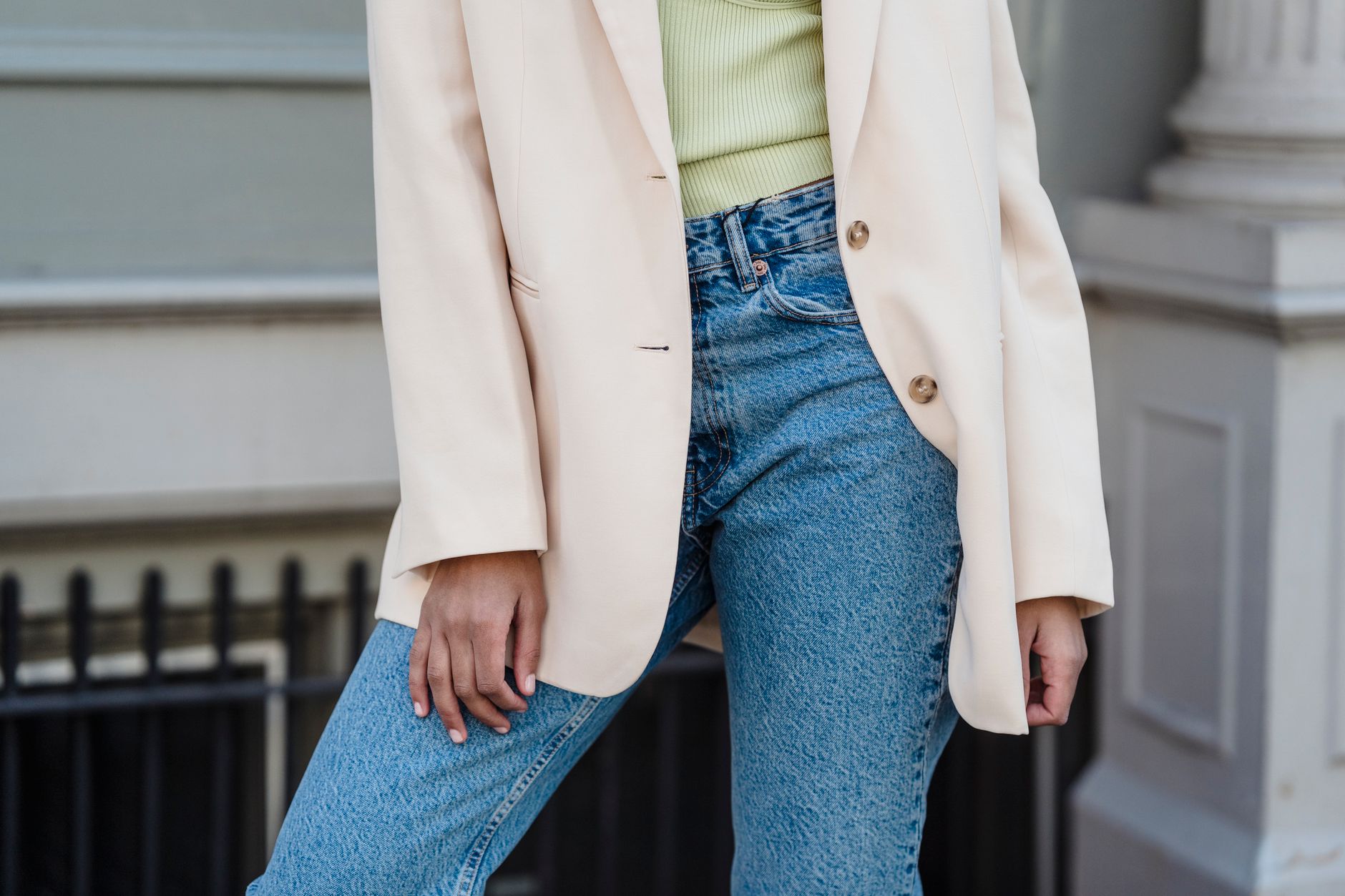
When it comes to contemporary fashion, Zara stands out as one of the leading retail brands across the globe. Known for its trendy styles and rapid inventory turnover, it often raises the question: Is Zara fast fashion? Understanding this term involves delving into aspects such as quality, pricing, and the brand’s overall impact on the fashion industry.
In this article, we aim to explore the fast fashion model embodied by Zara. We’ll discuss the quality of their garments, how pricing reflects their market positioning, and present some key facts about the brand. By the end, you will have a clear insight into whether Zara aligns with the fast fashion label.
Is Zara Fast Fashion?
Zara is widely recognized as a fast fashion brand due to its ability to rapidly design, produce, and distribute clothing that reflects the latest trends. This model allows them to refresh their collections frequently, often launching new styles twice a week. While they do offer a wide variety of designs, the question of quality and sustainability remains prevalent in discussions about fast fashion.
The Fast Fashion Model Explained
Fast fashion refers to a retail strategy where brands emphasize quick turnaround times from design to sale. The objective is to respond to emerging trends almost instantly. This model has both its advocates and critics. Supporters appreciate affordable trendy clothing, while detractors often highlight concerns over ethical manufacturing and environmental impacts.
Key Characteristics of Fast Fashion
- Trendy Styles: Fast fashion brands frequently introduce new styles based on current trends.
- Rapid Production: Design-to-store timelines are shortened, sometimes taking weeks rather than months.
- Affordability: Prices are kept low, making fashion accessible to a wider audience.
- High Volume: Brands produce large quantities of low-cost clothing which often leads to disposable fashion.
Zara’s Quality Analysis
Quality is a significant factor when discussing whether Zara is truly fast fashion. While Zara’s garments often feature modern designs and on-trend aesthetics, their quality can show variability.
Material Construction
Zara uses a range of materials to balance cost and quality. Common fabrics include cotton, polyester blends, and wool, among others. The choice of fabric influences the durability and feel of each piece. For example, natural fabrics often provide breathability and comfort, while synthetic materials may offer ease of care.
- Cotton: Generally soft and breathable, it is ideal for everyday casual wear.
- Polyester: Often used for its durability but can feel less breathable compared to natural fibers.
- Wool: Commonly used in outerwear, providing warmth and structure.
Garment Fit and Construction
Zara clothing often boasts trendy silhouettes that cater to contemporary styles. However, fit can vary across different designs, making it essential for shoppers to try on items or check size charts before purchasing.
The construction of garments, including seams, linings, and finishes, will vary depending on the price point of each item. Generally, higher-end Zara pieces may reflect a higher level of quality in these areas.
Pricing and Accessibility
Zara’s pricing strategy is another hallmark of its fast fashion identity. The brand categorizes its products from affordable basics to more premium items, which can affect consumer perception.
Affordability
Zara offers a wide range of prices, catering to different consumer budgets. Most items typically fall within the mid-range pricing category, which is considered accessible for the majority. This allows shoppers to feel stylish without breaking the bank.
- Basiс Tees: Generally priced between $10 to $30.
- Dresses: May vary from $30 to $150 depending on the material and complexity of the design.
- Outerwear: High-quality jackets or coats can reach up to $300.
Consumer Buying Patterns
The pricing encourages frequent purchases as consumers become accustomed to affordable, on-trend pieces. This cycle of buying leads to quicker wardrobe turnover, which is a core aspect of the fast fashion model.
Brand Facts to Consider
Zara was established in 1974 in Spain and has since expanded to operate over 2,000 stores worldwide. Here are some facts about Zara that inform its identity within the fast fashion sector:
- Frequent Stock Updates: Zara introduces about 12,000 new designs each year, ensuring a constant influx of fresh styles.
- Sustainability Efforts: Zara has announced sustainability initiatives, including using organic and recycled materials, although critiques still arise regarding their overall impact.
- In-Store Experience: Stores are designed to provide a streamlined shopping experience, encouraging consumers to browse through frequently updated product offerings.
Shopping Strategies: Building Your Wardrobe with Zara
Understanding that Zara operates within the fast fashion model, you can adopt thoughtful shopping strategies to build a versatile wardrobe without accumulating unnecessary clutter.
Essentials and Versatility
To maximize your purchases at Zara, consider the following wardrobe essentials that can be paired in multiple ways:
- Classic White Shirt: Perfect for layering or wearing on its own, versatile across casual or formal settings.
- Tailored Blazer: Elevates any outfit instantly and works well for both workwear and casual settings.
- Well-Fitted Jeans: A staple in any wardrobe, can be styled with a variety of tops.
- Little Black Dress: A timeless piece that can be dressed up or down for different occasions.
Seasonal Dressing and Outfit Ideas
Each season presents a unique opportunity to refresh your wardrobe. Here we delve into seasonal dressing using Zara pieces that can adapt to various occasions.
Spring Outfits
As the weather warms, consider outfits that combine comfort and style:
- Pair a floral midi dress with ankle boots and a denim jacket for an effortless day look.
- A lightweight knit sweater with high-waisted trousers and loafers creates a balanced yet chic appearance.
Summer Outfits
Summer styles should be breathable and versatile:
- Opt for a linen playsuit paired with sandals for a casual day out.
- A cotton maxi dress layered with a lightweight cardigan is perfect for evening outings.
Fall Outfits
As temperatures drop, layering becomes key:
- Combine a fitted turtleneck with a plaid skirt and knee-high boots for a trendy look.
- A cozy oversized sweater, layered with a slip dress, offers comfort without sacrificing style.
Winter Outfits
For colder months, warmth and style can coexist:
- Pair tailored trousers with a chunky knit and a long-line coat for a sophisticated appearance.
- Jeans, a turtleneck, and ankle boots topped with a statement scarf create an elegant look without being overly formal.
Care Tips for Zara Garments
To extend the life of your Zara purchases, proper care is pivotal. Here’s a general guide for maintaining various fabric types:
Garment Care by Fabric Type
- Cotton: Most cotton items can be machine washed in cold water. Always follow care labels.
- Polyester: Drip dry or tumble dry on low heat; avoid high temperatures to prolong the fabric’s life.
- Wool: Hand wash or dry clean to maintain the integrity of the fibers.
General Garment Care Tips
- Store garments properly to avoid wrinkles, utilizing hangers or neatly folding items.
- Rotate wearing items to prevent excessive wear on any single garment.
- Keep an eye out for stains; treat them as soon as possible to maintain the look of your clothing.
Navigating Ethical Considerations
With fast fashion comes a myriad of ethical discussions, particularly surrounding production practices and sustainability. Understanding Zara’s approach in these areas is critical for conscious consumers.
Production Practices
Zara has made strides toward transparency about its supply chain but still faces scrutiny. Being aware of the working conditions and wage standards in factories is vital when supporting a brand.
Sustainability Initiatives
- Zara has pledged to use 100% sustainable cotton, linen, and polyester by 2025.
- The brand is undertaking measures to create collections aimed at recycling and using eco-friendly materials.
Final Thoughts
Determining if Zara is fast fashion hinges on defining qualities like style, pricing, and the production process. While it indeed follows the fast fashion model with quick turnover and trendy pieces at accessible prices, it also shows an effort toward sustainability. As a consumer, being informed can guide you in making choices that align with your values while still allowing for stylish and practical wardrobe options.
As you explore fashion, consider experimenting with outfit ideas while keeping in mind your personal style. Check out garment fit, experiment with layering, and perhaps plan a wardrobe refresh with versatile pieces. For further reading, explore whether Uniqlo is fast fashion or discover if Cider is fast fashion for more context on the industry landscape.