
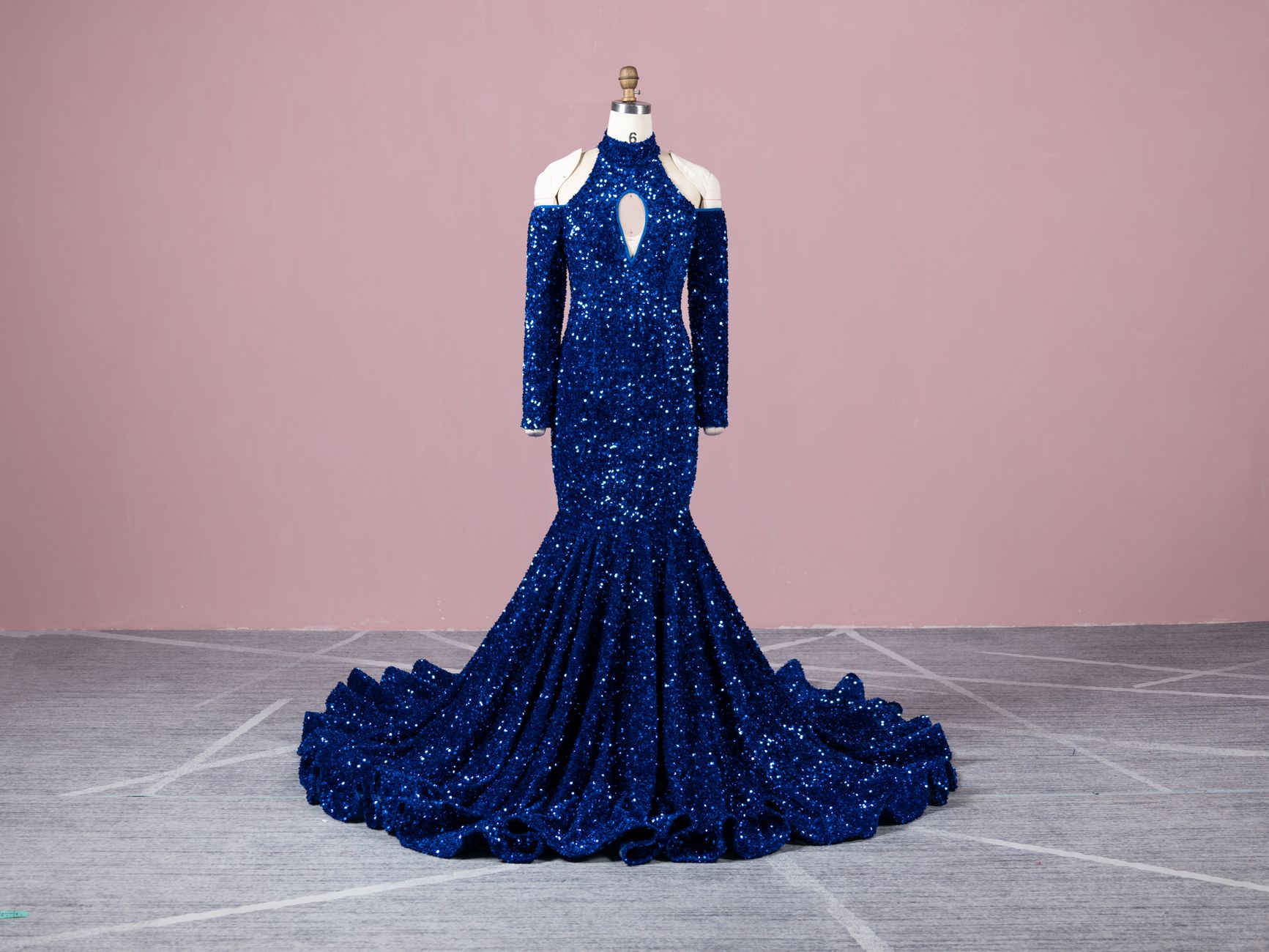
Evening gowns represent elegance and sophistication, making them essential for formal occasions. Choosing the perfect gown involves understanding your personal style, body shape, and the event’s requirements. Here, we will explore key factors to consider, outfit ideas, and styling tips to help you select a gown that truly makes you shine.
From elegant silhouettes to fabric choices, this guide will help demystify the gown selection process. Get ready to make confident choices for your next special event!
How to Choose Evening Gowns?
To choose the right evening gown, consider your body shape, personal style, event type, color preferences, and fabric qualities. Additionally, think about accessorizing and potential outfit combinations that enhance your overall look.
Understand Your Body Shape
Choosing the right evening gown begins with knowing your body shape. Here are the most common body types and gown styles that suit them:
- Hourglass: Accentuate your curves with fitted gowns that feature a defined waist. A mermaid gown or an A-line dress with a corset bodice works well.
- Pear Shape: Balance wider hips by choosing A-line gowns that flow from the waist down. Off-shoulder styles can highlight the upper body.
- Apple Shape: Opt for gowns that create a waistline illusion, such as empire waist styles or dresses with ruching. A-line or flowing gowns can also help.
- Rectangle Shape: Look for dresses that add curves and definition, such as ball gowns or fit-and-flare styles with ruffles or embellishments.
- Inverted Triangle: Soft A-line or flowing gowns can help create balance. Styles with fuller skirts and intricate detailing at the hem help to diversify proportions.
Personal Style & Occasion
Your personal style and the event’s atmosphere play a significant role in selecting the right evening gown. Here are some considerations:
Formal Events
For black-tie events, consider floor-length gowns made from luxurious fabrics like silk and satin. Classic designs, such as mermaid or ballroom silhouettes, are ideal. Keep accessories elegant, incorporating statement jewelry but balancing it with the gown’s design.
Semi-Formal Gatherings
When attending cocktail parties or semi-formal events, you can choose shorter evening gowns or midi-length options. A structured A-line dress or a fitted sheath gown can fit well here. Play with colors and patterns to express your style through your outfit.
Cultural or Themed Events
If the event has specific cultural or themed elements, look for gowns that honor those aspects. Researching traditional styles or colors associated with the theme can help you select an appropriate outfit that respects cultural values while still being fashionable.
Color Coordination
Selecting the right color is vital for making an impact with evening gowns. Here are some tips:
- Skin Tone: Identify whether your skin tone is warm, cool, or neutral. Warm tones often look great in earthy hues like browns, golds, and warm reds, while cool tones shine in blues, purples, and jewel tones.
- Occasion: Consider event formality when selecting colors. Darker shades like navy, black, or deep green are typically preferred for formal settings, while bright colors and pastels reflect a more casual atmosphere.
- Season: Seasonal colors can also guide your choice. Pastel shades suit spring and summer, whereas rich jewel tones resonate beautifully in autumn and winter.
Fabric Choices
Understanding fabric types and their properties will enhance your overall comfort and appearance. Here are common options:
- Satin: This fabric has a smooth finish and a luxurious feel, draping beautifully over the body. However, it can be delicate and may require professional cleaning.
- Chiffon: Lightweight and flowy, chiffon adds an ethereal quality to gowns. It layers well but requires careful handling as it can be prone to snagging.
- Tulle: Often used for fuller skirts, tulle is soft and sheer. It can add volume but may feel restrictive when layered excessively.
- Silk: Known for its premium quality and shine, silk gowns are timeless staples. While comforting against the skin, they can also be expensive and require careful maintenance.
- Lace: Lace can add texture and character to a gown. Look for lined styles that offer coverage, especially for modest fashion.
Silhouette and Fit
Focus on the overall silhouette to create a balanced look. Here’s how to think about fit:
- Structured vs. Flowing: Consider structured gowns to create a bold, powerful statement or flowing styles for a more whimsical presence. Try to balance structured bodices with relaxed skirts or vice versa.
- Tailoring: The perfect fit is essential for making any gown look its best. Invest in tailoring to adjust length, curvatures, and seams, which can radically enhance the gown’s fit.
- Comfort: Make sure you can move and breathe comfortably in your gown. If a dress feels too tight or restrictive in any area, it might not work for you, regardless of the design.
Accessorizing Your Evening Gown
Accessories can elevate your evening gown look. Here are some key tips:
- Jewelry: Select statement pieces that complement your gown. For example, if your gown is detailed, opt for simpler jewelry, while a minimalist gown can handle bolder accessories.
- Footwear: Choose shoes that match the gown’s formality. High heels work well for elegant gowns, but ensure they are comfortable enough for wear throughout the event.
- Bags: Clutches or small crossbody bags maintain the evening’s elegance. Match the color and style with the gown for a cohesive look.
- Outerwear: In cooler climates, consider wraps or boleros. Keep them in sophisticated fabrics and colors to seamlessly integrate with the gown.
Layering and Seasonal Dressing
Adapting your gown for seasonal variations increases its versatility. Here are some suggestions:
Layering in Cooler Weather
To ensure warmth during colder months, choose gowns with long sleeves or layer with elegant outerwear. Chic wraps, shawls, or fitted jackets can complement your look without overshadowing the gown.
In Warmer Weather
Consider breathable, lightweight fabrics like chiffon or silk. A gown with adjustable straps or a halter style can help stay comfortable while adding elegance to your attire.
Garment Care
Taking care of your evening gown will keep it looking beautiful for multiple occasions. Here are essential garment care tips:
- Follow Care Labels: Always check the care label for specific washing and maintenance instructions. This ensures the fabric is treated correctly.
- Dry Cleaning: For special fabrics like silk or embellished gowns, professional dry cleaning is often preferred to maintain their beauty.
- Storage: Store gowns in breathable garment bags to prevent dust build-up. Avoid plastic covers that trap moisture and cause fabric deterioration.
- Ironing & Steaming: Use a low-heat setting for silk and satin. Otherwise, consider using a gentle steamer to avoid damage.
Budget Considerations
Evening gowns can range significantly in price. Here’s how to manage your budget effectively:
- Quality Over Quantity: Choose well-made gowns that will last for years over cheaper, trend-based fast fashion options.
- Sales & Discounts: Pay attention to seasonal sales or promotions at your favorite retailers. Outlet stores can also be great for finding high-quality gowns at reduced prices.
- Renting vs. Buying: Consider renting if you may wear the gown only once. Many platforms offer designer gowns for rental, allowing you to wear high-quality pieces without the investment.
Fashion History & Inspirations
An understanding of evening gown history can influence your choices. The evolution of evening gowns reflects changes in society, culture, and personal expression:
- The luxurious gowns of the Victorian era featured corsets and voluminous skirts, emphasizing modesty and femininity.
- In the 1920s, flapper styles emerged, representing liberation with drop-waist silhouettes and intricate beading.
- Hollywood glamorized evening gowns in the mid-20th century, inspiring bold colors, daring necklines, and extravagant designs.
- Today, evening gowns reflect diverse cultures, body types, and personal styles, demonstrating how fashion evolves while remaining versatile.
Common Mistakes to Avoid
Even the most stylish among us can make errors when picking evening gowns. Here’s a checklist of common pitfalls to sidestep:
- Ignoring Fit: Finding a gown that fits well is more important than simply selecting the size you usually wear. Don’t rely solely on the label; prioritize how it feels.
- Over-Accessorizing: While accessories enhance a gown, too many can overwhelm the look. Opt for one or two statement pieces that complement rather than compete.
- Not Considering the Event: Dressing inappropriately for the occasion can lead to feeling out of place. Always check event dress codes before deciding on your gown.
- Choosing Uncomfortable Fabrics: A beautiful gown is worth little if you can’t enjoy wearing it. Choose fabrics that feel good against your skin and don’t restrict movement.
Final Styling Tips
To ensure you look and feel your best in your chosen evening gown:
- Confidence Is Key: No matter what you wear, confidence will elevate your look. Choose a gown that resonates with your personality.
- Plan a Fitting: If possible, schedule a fitting before any important events. This will allow you to make adjustments if needed.
- Grooming & Makeup: Complement your gown with suitable hair and makeup. Consider the gown’s neckline and color when choosing makeup shades and hairstyles for a harmonious look.
Choosing the right evening gown involves more than the gown itself; it encapsulates your personal style, comfort, and understanding of different events. By following these tips and insights, you’ll not only find the perfect gown but also make a memorable impression at any occasion.
For more fashion guidance, you can explore related outfit ideas, learn about black-tie attire for women or what constitutes a cocktail dress at these links: black-tie attire for women and what is a cocktail dress.