
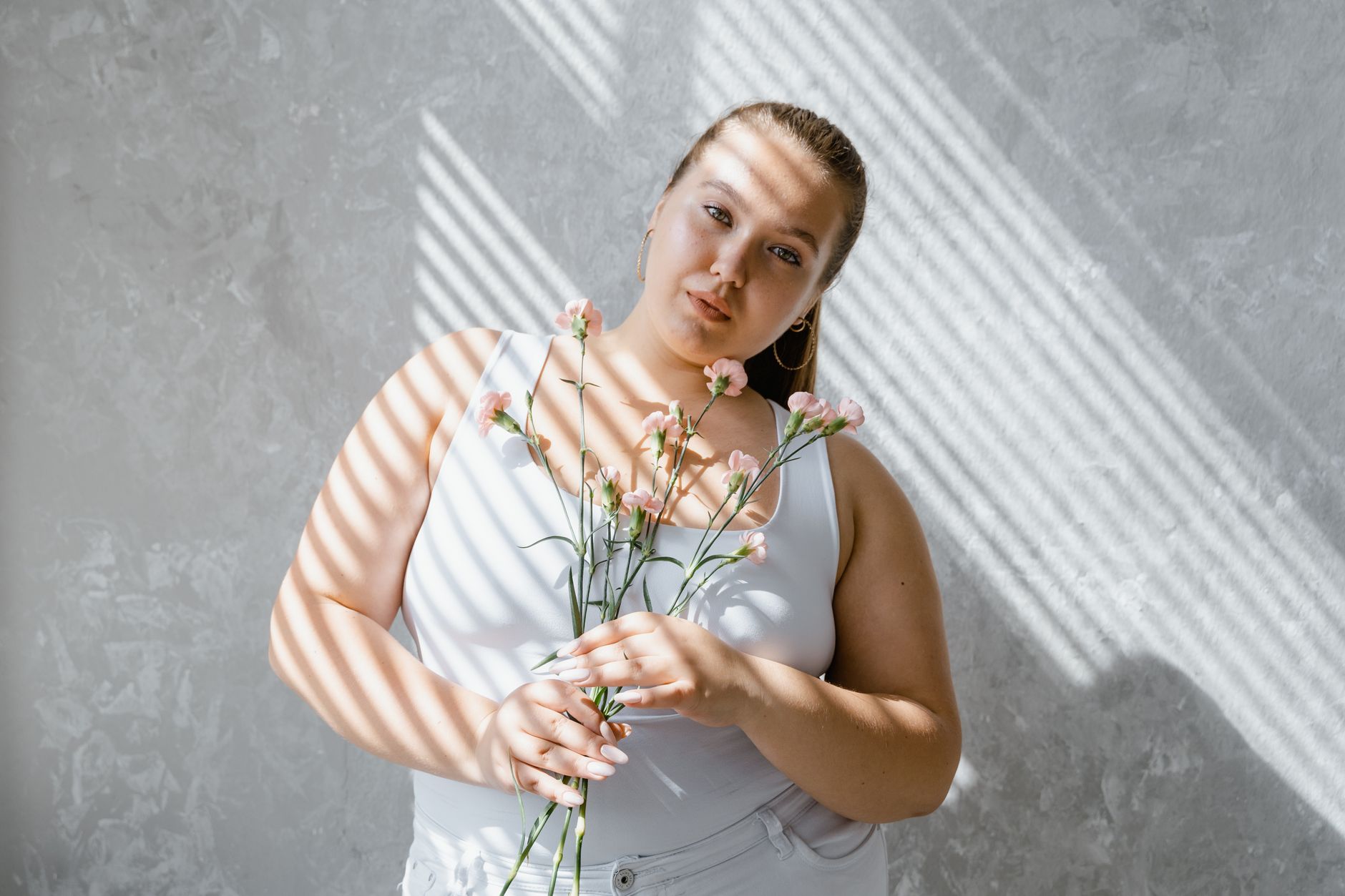
Understanding what constitutes plus size clothing is essential for anyone navigating the fashion world today. Plus size generally refers to clothing that is designed for individuals who wear sizes larger than the standard women’s range, often starting around size 14 in the U.S. However, this can vary between brands and countries, which can sometimes lead to confusion.
In this guide, we will break down what plus size means, how it relates to sizes and measurements, and offer valuable fit tips to help you embrace your personal style, whether you’re shopping for casual wear, formal outfits, or seasonal pieces.
What Is Plus Size?
Plus size clothing typically refers to garments that are designed for fuller figures, accommodating a range of body types. Size inclusivity plays a crucial role in today’s fashion landscape, aiming to provide stylish options for every body, no matter its shape or size.
While the term originally came about to define clothing ranging from size 14 and beyond, the specifics can change based on different brands or retailers. This inclusivity is essential as it opens up a broader range of options for those who may have previously felt overlooked in standard sizing.
Understanding Plus Size Measurements
To make the most of plus size fashion, it’s critical to understand your measurements. The most relevant measurements for clothing include:
- Bust: Measure around the fullest part of your bust while keeping the tape level.
- Waist: Measure around the smallest part of your waist, typically just above your belly button.
- Hips: Measure around the widest part of your hips, usually about 8 inches below your waist.
- Inseam: Measure the inside of your leg from the top of your thigh to the bottom of your ankle, which is particularly important for trousers and jeans.
To get the best fit, consider these measurements and compare them to the size charts provided by brands. Remember that sizing can vary significantly between different companies; always check their specific guidelines.
Plus Size Fit Tips
An understanding of fit is vital when it comes to shopping for plus size clothing. Many fashion-forward brands have taken strides to ensure their fits are not only stylish but also flattering for varied shapes.
1. Choose the Right Silhouette
The silhouette of a garment significantly influences how it looks on your body. Here are some styles to consider:
- A-Line: This cut flares gently from the waist, flattering your curves and providing a balanced shape.
- Empire Waist: Positioned just below the bust, this style elongates the torso and offers comfort.
- Fit-and-Flare: This style is tailored through the bodice and then flares out, accentuating the waist while providing movement.
2. Fabric Matters
Different fabrics behave differently. Here are some recommendations:
- Stretch Fabrics: Look for materials with elastane or spandex, as they provide a bit of give, allowing for better movement and fit.
- Structured Fabrics: Fabrics like cotton blends or thicker knits can help hold shape and provide support for a flattering look.
- Flowy Fabrics: Fabrics such as chiffon or jersey can be visually appealing while remaining comfortable and forgiving.
3. Layering Techniques
Layering can help create polished outfits while allowing you to express your personal style. Here are some ideas:
- Long Cardigans: Pair a long cardigan over a fitted top to create an elongating effect.
- Lightweight Jackets: A structured blazer can elevate a simple outfit and create a tailored appearance.
- Scarves and Accessories: Add dimension by introducing scarves or statement jewelry to complete the outfit.
4. Tailoring for a Perfect Fit
If you struggle to find the perfect fit in store-bought clothes, consider visiting a tailor. Adjustments can transform an average outfit into something that feels custom-made. Common areas for tailoring include:
- Taking in or letting out seams.
- Adjusting sleeve or pant lengths.
- Adding darts to improve fit across the bust or back.
5. Color and Pattern Play
Colors and patterns can express your individual style and enhance your silhouette. Here are some suggestions:
- Monochromatic Looks: Wearing one color head-to-toe can create a streamlined appearance.
- Vertical Stripes: These can elongate and slim the body visually.
- Bold Patterns: Don’t shy away from fun prints; they can draw attention to your favorite features.
Building a Plus Size Wardrobe
Creating a cohesive wardrobe starts with high-quality essentials that can be mixed and matched. Here are suggestions for a well-rounded plus size wardrobe:
Wardrobe Essentials
- Classic White Shirt: A tailored button-up can be worn for work and be easily dressed down for casual outings.
- Dark Wash Jeans: These are versatile and can be styled for both casual and more formal occasions.
- Versatile Dress: A LBD (little black dress) can serve as the foundation for countless outfits.
- Comfortable Footwear: Invest in quality shoes that can be worn for various occasions, such as loafers or ankle boots.
- Layering Pieces: Cardigans, blazers, and lightweight jackets that can elevate your outfit with ease.
Capsule Wardrobe Ideas
A capsule wardrobe minimizes choices but maximizes versatility. Here’s how to build one for plus size:
- Choose a cohesive color palette (consider neutrals, one or two accent colors, and some patterns).
- Select 10 to 15 key pieces that can create multiple looks; include tops, bottoms, and layering pieces.
- Incorporate seasonal items that can be swapped out as the weather changes.
Occasion Dressing in Plus Size
Understanding how to dress for particular occasions can elevate your fashion game. Here’s how to approach different events:
Workwear
When dressing for the office, focus on professionalism while maintaining comfort. Consider the following:
- Blouse with Trousers: A tailored blouse paired with straight-leg trousers is a classic choice.
- Pencil Skirt with a Fitted Top: This classic silhouette can be sophisticated while flattering your figure.
- Structured Dress: A well-fitting sheath dress can work great and transition beautifully to after-work events.
Casualwear
Casual outfits can still look put together. Try pairing:
- Graphic Tee with High-Waisted Jeans: Combine with sneakers for a laid-back vibe.
- Maxi Dress: Perfect for summer days; can be dressed down with sandals or up with wedges.
- Lightweight Joggers with a Tank Top: A fresh look that offers both comfort and style.
Formalwear
Plus size formalwear should be comfortable and sophisticated. Choose fabrics that drape well. Here are some ideas:
- Wrap Dress: This figure-flattering silhouette adds elegance to any formal event.
- Full-Length Gown: Opt for gowns that skim over the body for comfort while still having a touch of glamour.
- Tailored Jumpsuit: A chic alternative to dresses, especially when accessorized well.
Footwear and Accessories
The right shoes and accessories can elevate any outfit. Consider the following:
Plus Size Footwear
When selecting footwear, consider both comfort and style:
- Supportive Flats: Ideal for every day, keeping both style and comfort in mind.
- Chunky Heels: Provide stability and can be paired with various outfits.
- Stylish Sneakers: A good pair of trendy sneakers is essential for a laid-back yet stylish vibe.
Accessorizing Effectively
Accessories can make or break an outfit:
- Statement Jewelry: Pick bold earrings or a chunky necklace that can become conversation starters.
- Bags: Consider shape and size; a structured bag can add polish.
- Belts: A belt can define your waist and enhance your outfit’s silhouette.
Fabrics and Garment Care
Choosing the right fabric plays a significant role in how an outfit looks and feels. Here’s what to keep in mind:
Fabric Choices
Some fabrics are more advantageous for plus size clothing than others:
- Cotton: Breathable and versatile, it is excellent for layering.
- Jersey: Stretchy and comfortable, ideal for everyday wear.
- Silk and Satin: These provide a luxurious feel and can elevate any outfit, although they may require special cleaning.
Garment Care Tips
To maintain the longevity of your plus size clothing, consider these care tips:
- Always check and follow the care label before laundering.
- For delicate fabrics, opt for cold water and hand wash when possible.
- Air-drying is less damaging than tumble drying, which can shrink or distort fabrics.
A Brief Look into Fashion History
The plus size fashion industry has evolved significantly over the years. Initially, fashionable options were limited, leading to the stereotype that fuller bodies should dress conservatively. However, the late 20th century saw a shift with the emergence of brands catering to diverse body types, culminating in today’s more inclusive environment. The conscious push for body positivity has propelled change, embracing all shapes and sizes in vibrant ways.
Shopping Smart for Plus Size Clothing
When it comes to shopping, keep these tips in mind:
- Research Brands: Look for labels that specialize in plus size to find styles that meet your taste.
- Shop Sales and Clearance: Brands often offer great deals, and plus size sections can have excellent sales.
- Read Reviews: Other customers often provide insights on fit and comfort that can guide your selections.
Plus size fashion is about feeling confident in your skin and expressing your unique style. By understanding your measurements, choosing the right fabrics, and exploring various styles, you can curate a wardrobe that not only looks great but feels comfortable as well.
As you embrace plus size fashion, remember that style is personal. Everyone should wear what makes them feel best. Whether you’re dressing for work, casual outings, or special occasions, confidence is the best accessory you can wear. Now, take the time to evaluate your wardrobe, try out new combinations, or even invest in that statement piece you’ve been eyeing.
For more information on different styles and tips, feel free to explore some related topics such as what is the biggest bra size or what is a bustier. These resources can help you further refine your understanding of fashion and style.