
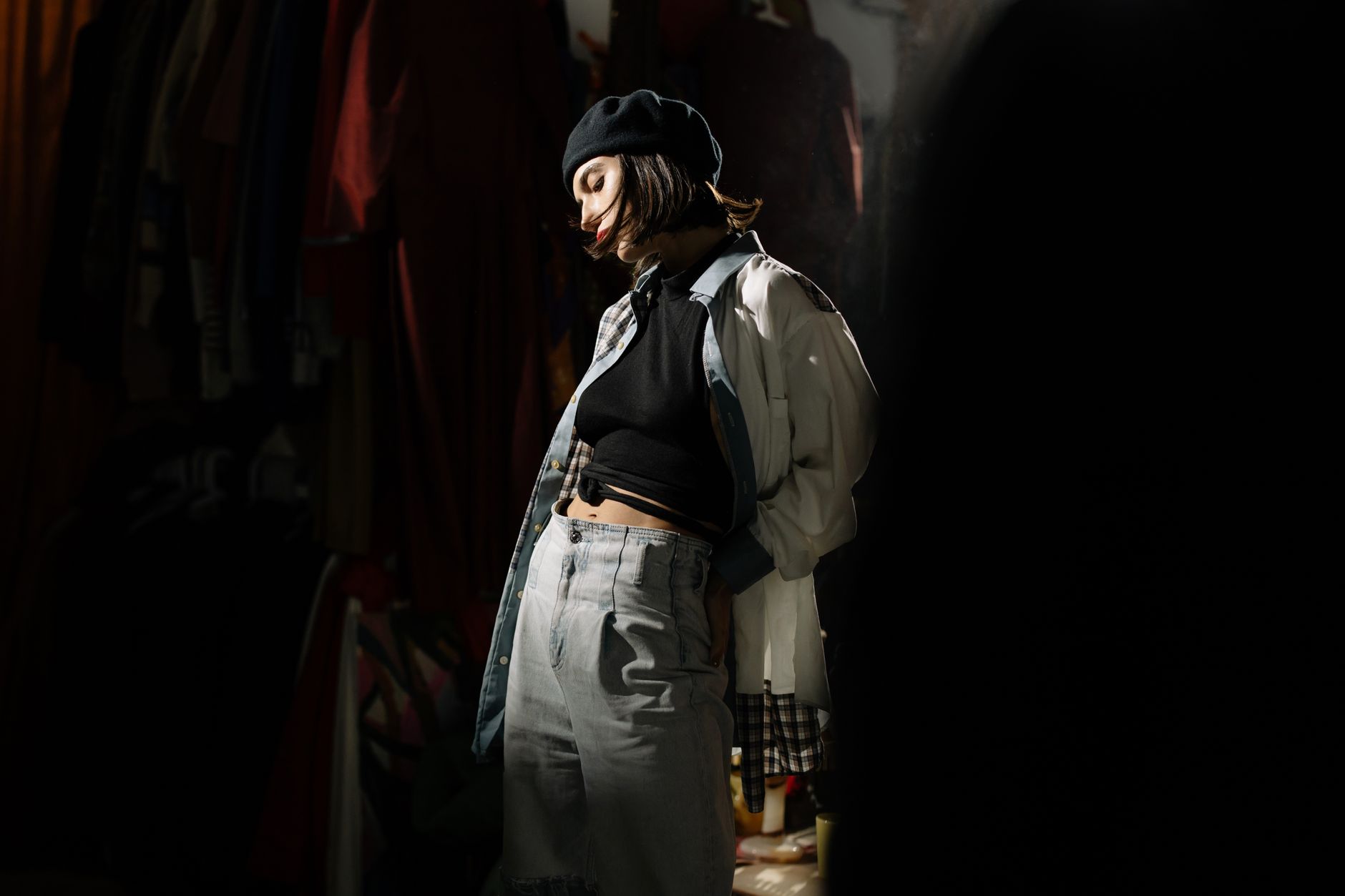
Wearing vintage clothing is a delightful way to express your personal style while paying homage to the fashionable eras of the past. With a bit of guidance, you can effortlessly incorporate vintage pieces into your wardrobe, creating unique outfits that reflect your individuality.
This article provides step-by-step styling tips to help you make the most of vintage clothing, covering everything from outfit ideas and color coordination to garment care and styling strategies.
How to Wear Vintage Clothing (Step-by-Step Styling Tips)
To wear vintage clothing successfully, focus on integrating unique pieces that resonate with your personal style, while considering fit, color, and occasion. Understanding how to blend vintage with modern elements is key to creating a balanced and cohesive look.
Understanding Vintage Styles
Vintage clothing often falls within a broad range of styles influenced by specific decades. Familiarizing yourself with these styles allows you to pick pieces that align with your aesthetic.
- 20s Flapper Style: Characterized by drop-waist silhouettes, fringe, and bold beadwork.
- 30s Glamour: Focused on elegant gowns, soft fabrics, and feminine shapes.
- 40s Utility: Known for practical designs featuring tailored jackets and high-waisted trousers.
- 50s Rockabilly: Features full skirts, fitted bodices, and playful patterns.
- 60s Mod: Defined by bold prints, shift dresses, and a youthful spirit.
- 70s Bohemian: Embraces flowy fabrics, earth tones, and retro patterns.
- 80s Power Dressing: Known for shoulder pads, bold colors, and statement accessories.
- 90s Grunge: Characterized by oversized silhouettes, plaid patterns, and casual layering.
Building a Vintage-Inspired Wardrobe
Creating a vintage-inspired wardrobe begins with selecting key pieces that can be easily mixed and matched with contemporary items. Here’s how to build such a collection:
- Identify Your Style: Determine what vintage styles resonate with you. Do you prefer romantic silhouettes, bold patterns, or utilitarian looks?
- Focus on Versatile Pieces: Look for garments that can transition between day and night, such as a classic A-line dress or tailored blazer.
- Category Essentials: Include essential categories such as tops, bottoms, dresses, outerwear, and accessories to ensure diversity in your outfits.
Color Coordination and Patterns
Vintage clothing is often associated with unique prints and colors that can elevate your outfits. Here’s how to coordinate colors and patterns effectively:
- Choose a Color Palette: Start with a color palette that includes a mix of vintage-inspired colors like mustard yellow, teal, and peach. This will guide your selection of pieces.
- Mixing Patterns: Embrace the art of mixing patterns by pairing a floral blouse with striped trousers. Aim for contrasting scale (e.g., larger florals with smaller stripes) to maintain balance.
- Solid Foundations: Anchor your pattern-heavy outfits with solid-colored pieces to avoid overwhelming your look.
Fit and Proportion
The fit of vintage clothing can differ significantly from modern styles, so being mindful of proportions is crucial. Here’s how to approach fit:
- Know Your Measurements: Accurately measure your dimensions, as vintage sizing often runs smaller than contemporary sizes.
- Tailoring is Key: Consider having garments tailored to ensure an ideal fit. Small adjustments can transform a piece into a perfect fit.
- Balance Silhouettes: Combine structured pieces with relaxed ones for a flattering look. For instance, pair a fitted jacket with a flowy skirt.
Layering Techniques
Layering is an excellent way to add depth and interest to your vintage outfit. Follow these tips for effective layering:
- Start with Base Layers: Begin with fitted base layers, such as a simple turtleneck or tank top.
- Add Vintage Outerwear: Incorporate vintage blazers, cardigans, or vests for texture and warmth.
- Accessorize: Use scarves or brooches to enhance your layers, adding visual interest and personality.
Seasonal Dressing with Vintage Clothing
Adapting vintage styles to different seasons can be straightforward with the right approach:
- Spring: Light fabrics like cotton or linen are perfect. Pair a flowy sundress with a denim jacket.
- Summer: Look for breathable pieces such as vintage maxi dresses or shorts. Complete with sandals for a relaxed vibe.
- Fall: Layer vintage sweaters over collared shirts and wear with high-waisted trousers. Boots add warmth and style.
- Winter: Incorporate vintage coats and scarves. Wool skirts and tailored pants work well with chunky knits.
Vintage Casualwear and Workwear
Incorporating vintage pieces into your casual and work outfits can be done seamlessly:
Casualwear
- Graphic Tees and Denim: Combine a vintage graphic tee with high-waisted jeans and canvas sneakers for an effortlessly cool look.
- Overalls: Settle into a pair of vintage overalls layered over a fitted top. Accessories can include a crossbody bag and loafers.
Workwear
- Tailored Blazer: A vintage tailored blazer over a simple blouse and tailored trousers creates a polished office look.
- Pencil Skirt: Pair a high-waisted vintage pencil skirt with a conservative top for a classic professional outfit.
Formal and Occasion Dressing
Vintage clothing can shine at formal events. Here are tips for dressing up:
- Evening Gowns: Opt for a vintage evening gown with intricate embellishments for elegance. Pair with heels and statement jewelry.
- Tuxedo Looks: For formal occasions, a vintage tuxedo jacket paired with tailored trousers provides a unique twist to traditional attire.
Accessorizing Vintage Outfits
Accessorizing is essential when it comes to vintage styling. Consider these guidelines:
- Bold Jewelry: Vintage pieces often feature statement jewelry, such as oversized earrings or chunky necklaces. Use these to elevate your look.
- Hats and Bags: Incorporate vintage hats and bags to add personality and flair.
- Footwear Choices: Utilize classic vintage shoes, such as loafers or Mary Janes, that echo the era from which your clothing originates.
Understanding Fabrics and Garment Care
Knowing the fabric of your vintage clothing will help in both styling and care:
- Common Vintage Fabrics: Look for cotton, silk, linen, and wool which offer breathability and comfort.
- Caring for Vintage Pieces: Always follow the care label. Hand wash delicate items and store them properly to preserve their lifespan.
Shopping for Vintage Clothes
Scouting for vintage clothing requires some finesse. Here are tips for effective vintage shopping:
- Thrift Stores: Explore thrift shops and consignment stores. Take your time to dig through racks; you may find hidden gems.
- Online Shopping: Utilize online platforms specializing in vintage wear. Pay attention to sizing and detailed descriptions.
- Flea Markets: Visit local flea markets for a diverse range of vintage items, from clothing to accessories.
Dealing with Common Styling Challenges
Here’s how to address common styling challenges with vintage clothing:
- Mismatch Issues: If colors and patterns clash, revert to a solid piece as a neutralizer.
- Fit Concerns: When encountering fit issues, don’t hesitate to visit a tailor for adjustments. A seamless fit can transform your look.
- Age-Related Wear: Vintage clothing may show signs of wear. Minor repairs or freshening up with a wash may restore its charm.
Embracing Inclusivity in Vintage Fashion
Vintage clothing can be enjoyed by everyone, regardless of gender, size, or age. Aim for:
- Gender-Inclusive Styles: Seek out pieces that appeal to various gender expressions. Oversized shirts and tailored trousers suit many body types.
- Extended Size Options: Look for vintage shops that cater to a range of sizes; many pieces can be adapted or tailored.
- Timeless Appeal: Recognize that vintage clothing transcends trends and can be worn confidently by all.
Final Touches and Confidence
Ultimately, wearing vintage clothing is about confidence and embracing your unique style. Here are tips to say “yes” to your style:
- Own Your Look: Confidence is key! Wear vintage outfits with pride as a reflection of your personality.
- Experiment: Don’t be afraid to try new combinations until you find what suits you best.
- Enjoy the Process: The journey of curating a vintage wardrobe should be enjoyable — take your time and have fun!
Wearing vintage clothing allows you to stand out while connecting with fashion history. By following these styling tips, you’ll be able to mix vintage pieces seamlessly into your daily wardrobe, enhancing both your style and confidence. Start experimenting with outfit combinations using vintage accents and enjoy expressing your personality through fashion.
For more styling inspiration, consider trying out how to dress 70s with normal clothes, or discover how to wear denim on denim in fashionable ways. Each of these resources can help you expand your vintage wardrobe further while maintaining a cohesive, stylish look.