
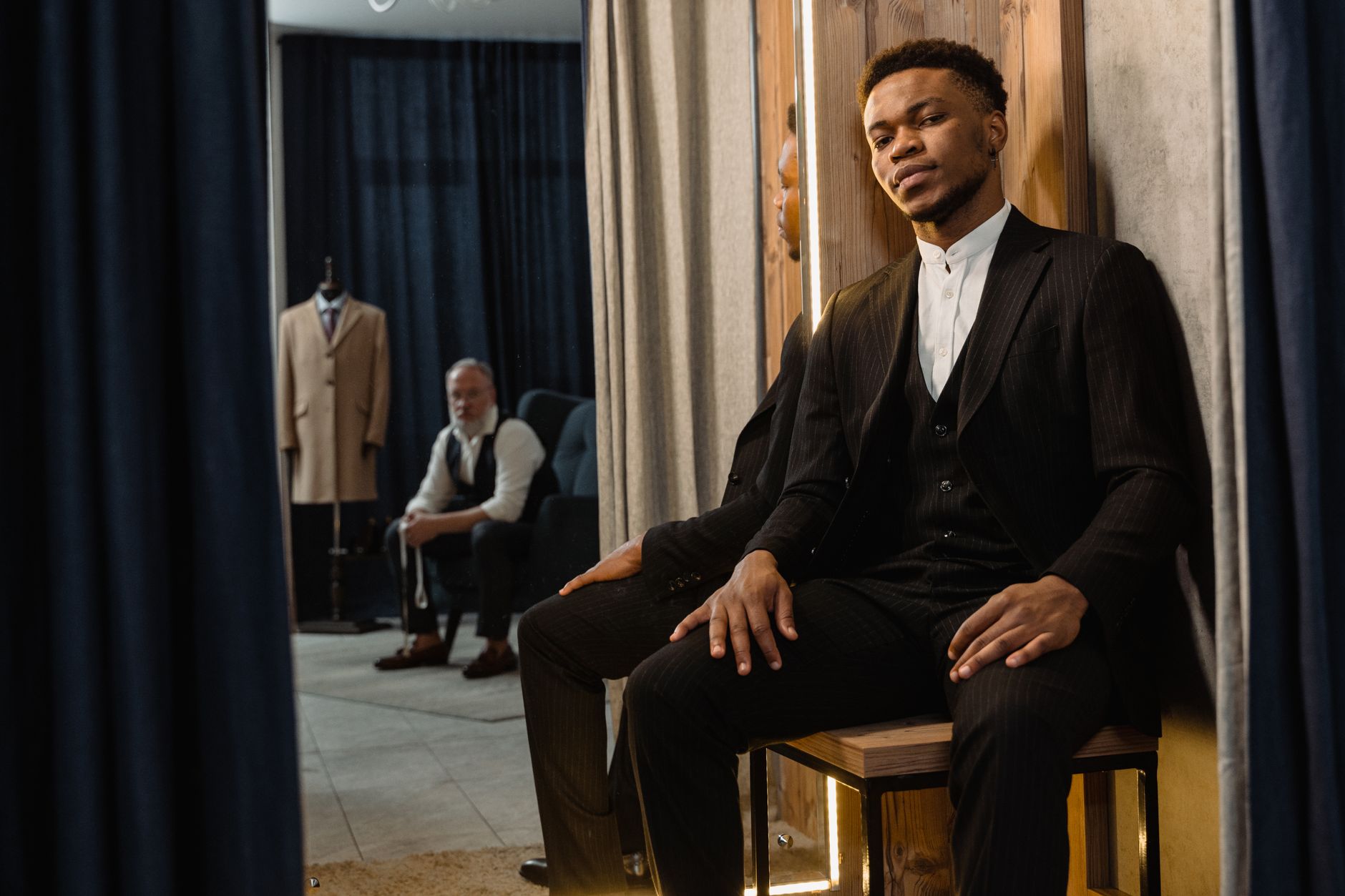
When it comes to men’s and women’s tailoring, the term “slim fit suit” often comes up, but what exactly does it mean? A slim fit suit offers a modern take on traditional suit silhouettes, designed to follow the natural contours of the body without being restrictive. The result is a polished look that combines comfort with style.
In this article, we will break down everything you need to know about slim fit suits, including sizes, measurements, styling options, and practical tips for both formal and casual settings. Understanding these elements will help you make informed decisions when choosing a slim fit suit that fits not just your body, but also your personal style.
What Is a Slim Fit Suit?
A slim fit suit is tailored to have a narrower cut, meaning it hugs the body more closely than traditional fits. The design emphasizes a streamlined silhouette, which can help create a modern, sharp appearance. Slim fit suits typically feature narrower lapels, a shorter jacket length, and tapered trousers that maintain a slim yet comfortable fit around the legs.
Sizes and Measurements of a Slim Fit Suit
Understanding sizes and measurements is crucial when shopping for a slim fit suit. Here’s a breakdown of essential sizes and what to consider.
Sizing Basics
- Chest Size: Measure around the fullest part of your chest. For slim fit suits, aim for a size that fits comfortably without excess fabric.
- Waist Size: For trousers, measure around the natural waistline. Trousers in a slim fit style will sit lower on the waist and taper down.
- Inseam: This measurement is crucial for pants; measure from the crotch to the desired hem length. Slim fit trousers often have a shortened inseam for a more contemporary look.
- Jacket Length: The jacket should end near your wrist bone when your arms are at your sides. Slim fit jackets are typically shorter than traditional ones.
Finding Your Fit
Sizing can vary significantly between brands. Ensure you check size charts and consider trying on suits in-store when possible. Understanding your measurements allows for adjustments; an experienced tailor can fine-tune the suit to achieve the perfect fit.
Fit Tips for a Slim Fit Suit
Here are some practical tips to ensure your slim fit suit looks its best:
Balance Proportions
When wearing a slim fit suit, balance is essential. Consider the proportions of your body. If you’re taller, a longer jacket can help provide a proportional look. For those with a more robust build, opt for slightly more room in areas such as the chest and waist to avoid feeling squeezed.
Choose the Right Fabric
Fabric choice plays a significant role in the fit and appearance of a suit. Here’s what to look for:
- Wool: A classic choice, wool suits offer good breathability and stretch, making them ideal for a tailored fit.
- Blends: Fabrics like polyester or linen blends can offer lightweight options suitable for warmer weather, but be wary of overly shiny synthetic fabrics.
- Stretch Fabrics: Look for suits with a small percentage of elastane. This added stretch allows for greater movement while maintaining a slim profile.
Layering Considerations
When layering with a slim fit suit, choose lighter materials to prevent bulk. A fitted shirt is preferable to maintain the streamlined look. Opt for a well-fitted turtleneck in cold weather for an excellent alternative to a dress shirt.
Outfit Ideas with a Slim Fit Suit
The versatility of slim fit suits lends itself well to various occasions, from business meetings to casual outings. Here are some outfit ideas:
Business Attire
- Navy Slim Fit Suit: Pair it with a light blue dress shirt, a dark tie, and brown leather shoes. This combination is appropriate for any office environment.
- Charcoal Slim Fit Suit: Team it with a crisp white shirt and a charcoal patterned tie. Complete this look with black oxford shoes for a classic business look.
Casual Wear
- Light Grey Linen Suit: Perfect for summer events, wear it over a white crew neck t-shirt and espadrilles for a relaxed, beachy vibe.
- Two-Piece Suit with Patterned Shorts: Pair a slim fit blazer with tailored shorts and loafers. This look works fantastically for garden parties or casual gatherings.
Formal Occasions
- Black Slim Fit Suit: Ideal for formal events, pair it with a white dress shirt, black bow tie, and patent leather shoes for a classic black-tie look.
- Dark Green or Burgundy Suit: These colors make a bold statement at formal events, matching well with a simple white shirt and dark shoes.
Color Coordination with Slim Fit Suits
Color plays a key role in the overall appearance and vibe of your slim fit suit. Here are some tips for effective color coordination:
Navigating Colors
- Neutrals: Colors like navy, charcoal, and black are versatile and can be paired with a variety of shirt colors. They work well in both professional and casual settings.
- Pops of Color: Don’t hesitate to play with vibrant colors in your shirt or accessories. A bright tie or pocket square can elevate a basic suit.
- Complementary Tones: Choose colors that complement your skin tone. Warmer tones usually look great in earthy shades, while cooler skin tones often pull off blues and greys.
Layering Options and Seasonal Dressing
Adapting your slim fit suit for different seasons is essential for versatility. Here’s how to layer effectively throughout the year.
Spring and Summer
- Opt for lighter fabrics such as linen or cotton blends.
- Pair with a short-sleeve shirt for a relaxed look or a fitted tee under a blazer for outings.
Fall and Winter
- Layer with a fitted turtleneck under your suit jacket for warmth without bulk.
- Consider wool suits which are not only warm but also sophisticated.
- Add accessories like scarves and gloves to complete the look.
Shoe and Accessory Options
Complement your slim fit suit with the right footwear and accessories:
Footwear Choices
- Dress Shoes: Oxfords, brogues, or loafers are classic choices to wear with a slim fit suit. Stick to leather for a polished look.
- Casual shoes: Sneakers can work with casual suit styles, especially when paired with a t-shirt or polo.
Accessory Considerations
- Ties: Choose silk or knit ties for a classic touch. A slim tie complements the suit’s silhouette.
- Pocket Squares: An easy way to add personality to your suit. Match it to your tie or choose a contrasting color for a bolder look.
- Watches: A classic watch with a metal or leather band can elevate your suit look without being overbearingly formal.
Garment Care for Slim Fit Suits
To maintain the integrity of your slim fit suit, proper garment care is crucial. Here are some care tips:
Washing and Cleaning
- Check the care label for specific washing instructions—many suits require dry cleaning.
- For minor stains, spot cleaning can often suffice without full laundry.
- Steam your suit instead of ironing to avoid fabric damage.
Storage Tips
- Use a quality suit hanger to maintain the shape. Avoid hanging them in direct sunlight.
- Store suits in breathable garment bags instead of plastic to prevent moisture buildup.
Fashion History of Slim Fit Suits
The evolution of the slim fit suit has roots in various fashion movements. Understanding its history can enhance appreciation for its modern function.
In the 1960s, the slim fit suit began gaining traction, particularly with the rise of mod culture, which favored more tailored styles. By the 1990s, the trend solidified in menswear, pushing away from looser fits. This legacy continues today, adapting to contemporary trends while maintaining core elements of elegance and sophistication.
Shopping for a Slim Fit Suit
When shopping for a slim fit suit, consider both online and in-store options for the best fit. Here are some points to remember:
Online Shopping Tips
- Carefully review size charts and customer reviews to understand the fit.
- Look for retailers that offer free returns or exchanges so you can try items at home.
In-Store Shopping Tips
- Try on suits with the type of shirt and shoes you plan to wear to ensure comfort.
- Walk around in the suit to assess movement and adjust according to personal comfort.
Final Thoughts
A slim fit suit is a stylish choice that balances modern tailoring with comfort and versatility. By understanding how to measure and fit this type of suit, you can build a wardrobe that is suitable for a variety of occasions.
To start, examine your current wardrobe and identify which slim fit suit works best for you. Don’t hesitate to try mixing different outfits and colors to express your unique style, leading to a polished appearance every time.
For more insights on dressing for various occasions, check out our guides on business casual for women and learn what constitutes black tie attire for men.