
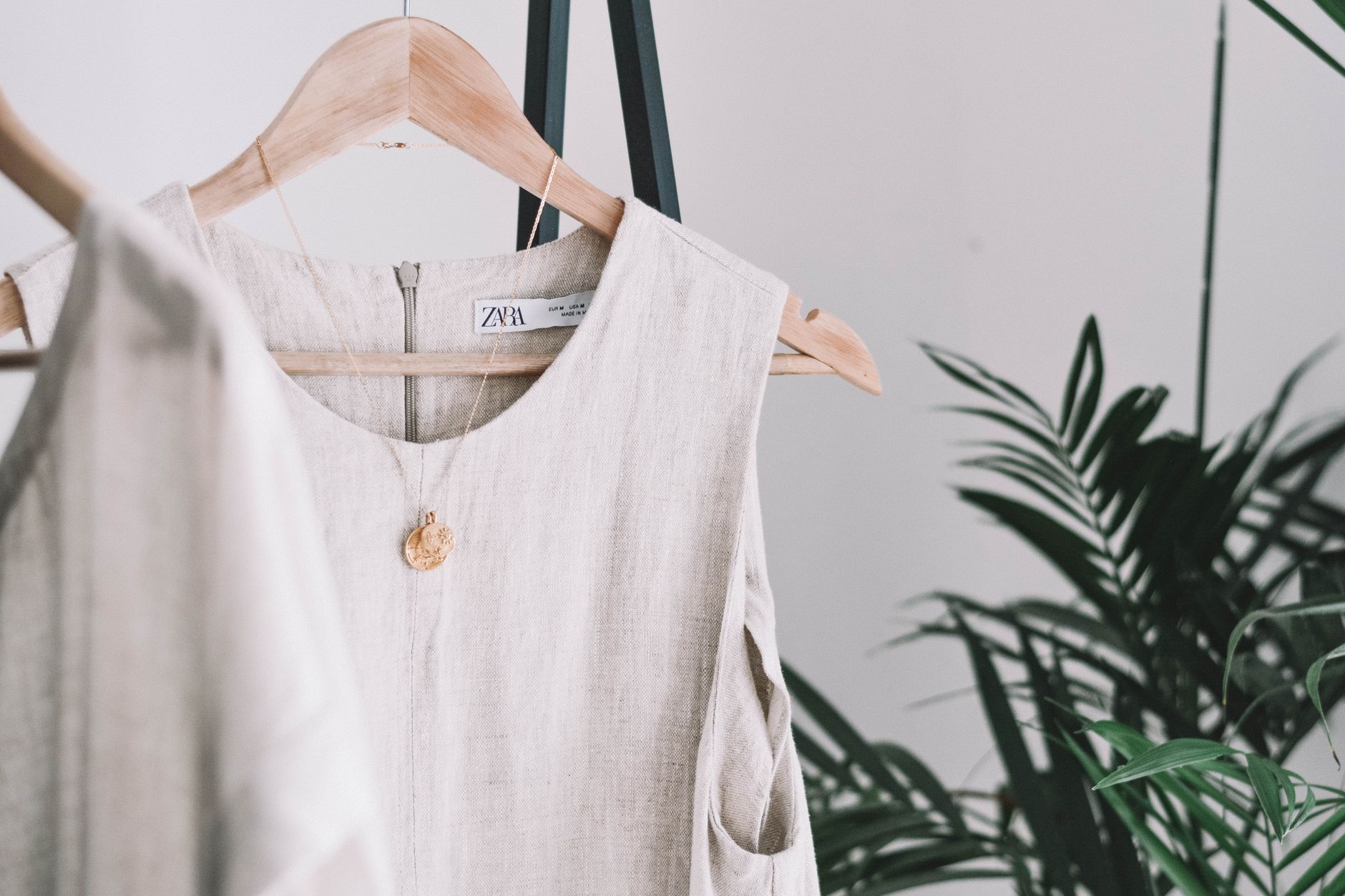
When it comes to fashion, one of the most frequently asked questions is about quality. Shoppers often want to know whether the products they are buying will stand the test of time and wear. Zara, a global fast-fashion retailer known for its trendy and stylish pieces, is no exception to this inquiry. As you explore your wardrobe and style options, understanding whether Zara offers good quality can be instrumental in making informed purchases.
This article delves into the quality of Zara’s offerings, price points, and key brand facts. By evaluating its materials, construction, and design philosophy, we aim to provide a comprehensive overview that will assist you in answering the question: Is Zara good quality?
Is Zara Good Quality?
Zara’s quality can be a mixed bag, largely depending on the individual piece, its materials, and how you intend to use it. While many shoppers appreciate Zara for its trendy designs and affordable pricing, others have raised concerns about durability and fabric authenticity. Overall, it tends to be an excellent choice for fashion-forward pieces that may not require long-term wear.
Understanding Zara’s Collection
To assess the quality of Zara clothing, it helps to first understand the variety within its collections. Zara offers a wide range of items, including:
- Womenswear
- Menswear
- Footwear
- Accessories
Each category has its own quality markers, from fabric choice to garment construction. Familiarizing yourself with the type of clothing you’re interested in can provide information on potential longevity and value.
Womenswear Insights
Zara’s womenswear collection often features current trends, with styles reflecting runway inspirations. While Zara frequently uses fabrics like polyester and cotton blends, some pieces incorporate natural fibers such as linen and silk.
- Pros: Trendy cuts and patterns, affordable price point.
- Cons: Synthetic fabrics can lack breathability, leading to discomfort.
Menswear Considerations
For menswear, Zara similarly offers stylish options that cater to various tastes, from casual wear to more formal attire. Materials used in men’s clothing often mirror those of women’s collections, focusing on affordability.
- Pros: Fashionable and diverse selections.
- Cons: The fit may vary greatly; checking size guides is essential.
Footwear Quality
In recent years, Zara has expanded its footwear line significantly. Shoes range from casual sandals to formal dress shoes, yet most commonly utilize synthetic materials alongside some leather options.
- Pros: On-trend designs at competitive prices.
- Cons: Lower-end options may wear out faster than higher-quality brands.
Accessory Options
Zara’s accessories, which include jewelry, bags, and hats, are a popular choice for completing outfits. Much like their clothing, the quality can vary widely based on material and design.
- Pros: Affordable and fashionable.
- Cons: Some pieces may not hold up over time due to the use of delicate materials.
Pricing and Zara’s Value Proposition
Pricing is one of the significant factors that draw shoppers to Zara. With most items reasonably priced compared to other high-street retailers, Zara positions itself as an accessible entry point for trend-driven fashion. Typically, you can expect to pay:
- Basic tops and tees: $20 – $50
- Dresses and skirts: $30 – $90
- Outerwear: $50 – $200
Given these price points, Zara provides a serviceable balance between affordability and trendiness, but assess quality by checking the fabric composition and construction details before purchasing.
Fabric and Garment Care at Zara
The variety of fabrics used in Zara’s garments is noteworthy. Much of their collection employs easy-care fabrics suited for everyday wear but may require special treatment to prolong their lifespan.
Here are some common fabrics found in Zara clothing:
- Polyester: Durable and wrinkle-resistant but may lack breathability.
- Cotton: Soft and breathable; should be checked for blend quality for higher durability.
- Silk: Luxurious feel but requires delicate wash care.
- Linen: Breathable and ideal for warm weather, but wrinkles easily.
When caring for Zara garments, always refer to the care label. General care tips include:
- Always wash on a gentle cycle for delicate fabrics.
- Consider air drying instead of using a dryer for stretchy fabrics.
- Use a cool iron if needed, particularly for linens and cotton.
- Store items like knits flat to maintain shape.
The Fast Fashion Factor
As a fast-fashion retailer, Zara operates under a quick turnaround model, allowing them to produce new styles frequently. This business strategy can have implications for quality:
- Items are often produced quickly, leading to inconsistencies in quality.
- Trendy items might be designed for short-term use rather than long-term wear.
- The focus on fast production can lead to lower overall quality in materials.
While this can be a drawback, if you are mindful of how you shop, you can select pieces that offer a better quality-to-price ratio.
Styling Zara Pieces
When it comes to styling Zara items, the key is to create balanced outfits that reflect your personal style. Here’s how you can style your Zara finds effectively:
Workwear Essentials
For a chic work look, try pairing a structured blazer with tailored trousers and a simple blouse. Here’s a suggested outfit combination:
- Structured black blazer
- White silk blouse
- High-waisted tailored trousers
- Pointed-toe flats or modest heel
- Structured tote bag
This combination provides a polished appearance suitable for both meetings and casual Fridays.
Casual Looks
Zara’s casual pieces are perfect for everyday wear. For a laid-back weekend outfit, consider this combination:
- Graphic tee
- Distressed denim jeans
- Lightweight bomber jacket
- Chunky sneakers
- Crossbody bag
This look balances comfort with style, making it ideal for brunch or casual outings.
Formal Occasions
If you have a formal event coming up, Zara can accommodate with its array of elegant pieces. Consider this outfit:
- Floor-length evening gown
- Classic clutch bag
- Stiletto heels
- Simple diamond studs
Opting for timeless color palettes, like black, navy, or deep jewel tones, can enhance the look without compromising the quality of the pieces.
Common Styling Difficulties and Solutions
Even with trendy pieces, some common styling challenges may arise. Here are a few difficulties and essential tips to resolve them:
- Fit Issues: If a piece doesn’t fit perfectly, consider visiting a tailor. Their expertise can elevate garments to suit your frame.
- Color Coordination: If unsure about color pairing, stick to a monochrome palette, or explore a complementary color wheel to find appealing combinations.
- Layering: For cooler weather, explore layering with lightweight turtlenecks under dresses or oversized cardigans over fitted tops.
Conclusion
In summary, Zara can be a great option for finding trendy, budget-friendly pieces, but the quality will depend on the specific item and your shopping approach. By assessing fabric choices, paying attention to fit, and understanding care needs, you can make effective selections that work for your personal style. To maximize your wardrobe’s potential, aim to develop outfits using the guidance provided in this article and assess both the longevity and style of Zara’s offerings.
For more insights into the fast-fashion industry, including whether Zara is fast fashion, you can explore this article. If you’re curious about Zara’s approach to fashion or its brand history, you may find this resource helpful.