
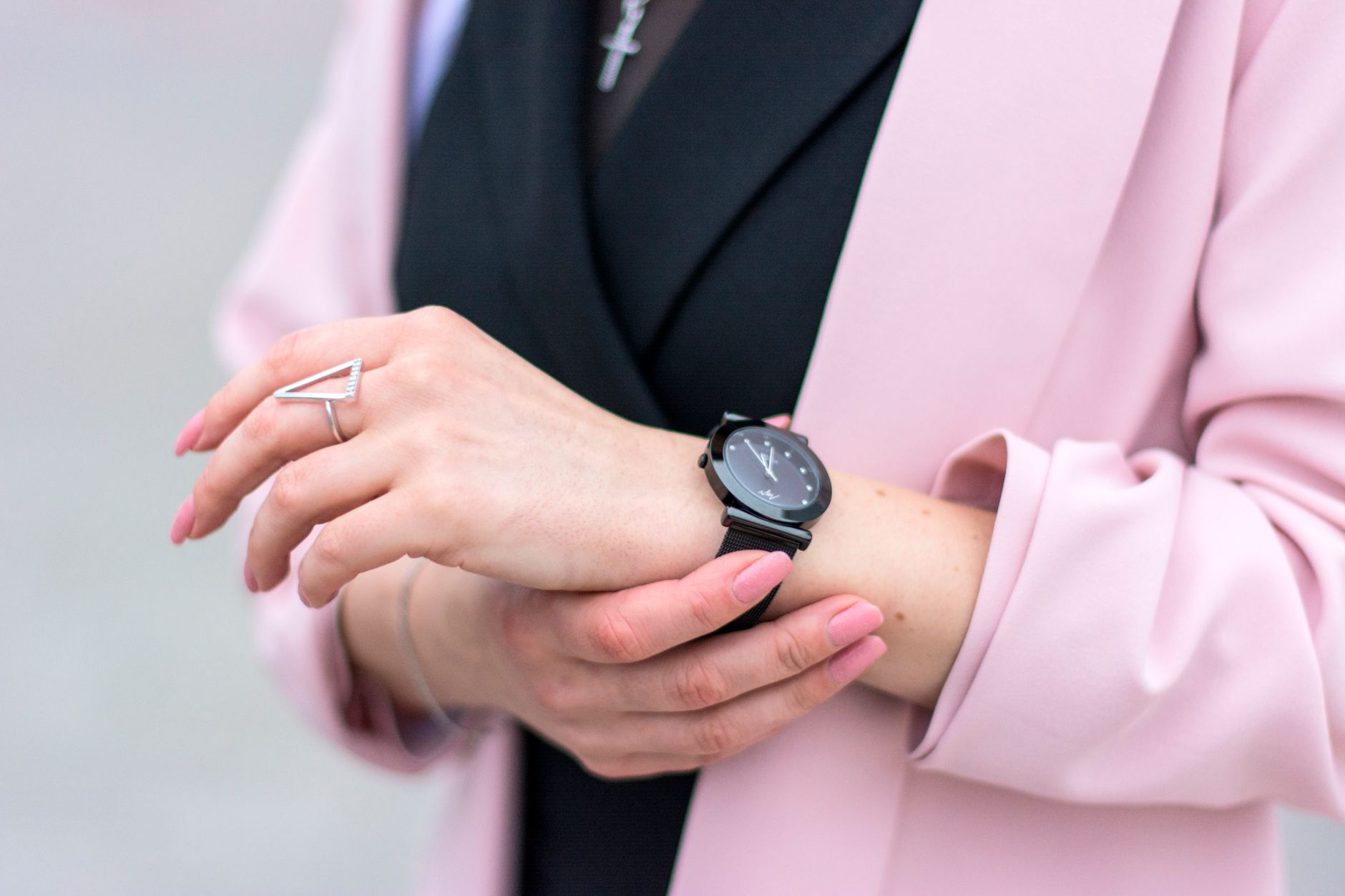
Choosing the right wrist to wear a watch is more than just a matter of personal preference; it can influence the overall aesthetic of your outfit. It’s important not just to consider practicality but also how a watch complements your personal style and the occasion. In this guide, we will explore the considerations for selecting a wrist, from style and comfort to outfit coordination.
The general guideline is to wear your watch on the non-dominant wrist, as this ensures that it remains unobtrusive during daily activities. However, there are various styling options and cultural practices to consider that may influence your choice. Let’s delve into the finer details of wrist selection and watch styling!
Which Wrist Should You Wear a Watch On?
Determining which wrist to wear a watch on typically depends on whether one is left-handed or right-handed. For most right-handed individuals, wearing a watch on the left wrist is standard and practical, while left-handed individuals may prefer the right wrist. However, there are various factors to consider:
- Comfort: Choose a wrist that feels most comfortable to you. Test wearing a watch on both wrists to see which feels more natural.
- Style: Consider how the watch looks on each wrist, as some designs may stand out more when worn on your non-dominant hand.
- Activity Level: If you are engaged in activities where your wrist is more active—like sports or manual labor—it may make sense to wear your watch on the opposite wrist to keep it protected.
Cultural Context and Personal Preference
In some cultures, there are specific traditions surrounding which wrist to wear a watch on. For example, in certain parts of Asia, it’s common to wear a watch on the right wrist. Adapting your watch-wearing habits can also be a fashion statement, allowing you to express individuality.
Regardless of cultural norms, personal preference plays a vital role. Some people may prefer to wear their watch snugly enough to avoid slipping down their arm or rotating, while others may appreciate the looseness of a more relaxed fit.
Outfit Ideas for Coordinating Watches
Watches can be a powerful accessory that enhances an outfit. Understanding how to style them with various ensembles is essential for achieving a polished look. Here are outfit ideas that incorporate different styles of watches:
Casual Looks
- Watch Type: A casual wristwatch with leather or fabric straps.
- Outfit: Pair a denim jacket, white tee, and black skinny jeans. Accessorize with low-top sneakers and a canvas belt. The watch adds a relaxed vibe to this effortlessly chic look.
Business Casual
- Watch Type: A classic analog watch with a metal bracelet.
- Outfit: Style a tailored blazer with a fitted blouse and tailored trousers. Wear loafers for polish. The structured watch complements the smart outfit, enhancing the overall professional appearance.
Formal Attire
- Watch Type: A luxury timepiece, preferably in gold or silver.
- Outfit: Consider a sleek cocktail dress or an elegant suit. Pair it with high heels or dress shoes. Your watch can serve as a statement piece, adding a touch of sophistication to your formal look.
Seasonal Dressing and Watch Styling
Seasonality can also dictate the style and choice of watch you opt for. Here’s how to coordinate your watch with seasonal outfits:
Spring and Summer
- Watch Type: Lightweight watches with colorful bands.
- Outfit: Choose floral dresses or light-colored shorts and a cute top. A bright watch can complement pastel colors beautifully.
Fall and Winter
- Watch Type: Watches with leather straps in darker tones.
- Outfit: Consider layering with oversized sweaters and skinny jeans. A watch in a warm tone can add richness to your autumnal or winter wardrobe.
Durability and Material Considerations
The watch’s material impacts both its longevity and how well it blends with your wardrobe. Here’s a breakdown of common watch materials and their applications:
| Material | Durability | Style |
|---|---|---|
| Leather | Good | Classic, versatile |
| Metal (Stainless Steel) | Very Good | Modern, upscale |
| Fabric (Nylon, Canvas) | Moderate | Casual, sporty |
| Plastic (Silicone) | Low to Moderate | Active, playful |
When selecting a watch, keep in mind that higher durability may result in weightier designs. Balance comfort against your desired look, especially if you have plans for prolonged wear.
Layering and Accessorizing with Watches
Layering watches with other accessories can make for an exciting style statement. Here are some tips for layering:
- Bracelets: Pair a slim watch with delicate chains or bangles on the same wrist for a chic layered effect. Ensure the bracelets do not disrupt the watch’s functionality.
- Rings: Wearing statement rings can draw attention without overshadowing the watch. Consider color and metal to ensure a cohesive look.
- Statement Pieces: If your watch is minimalistic, don’t hesitate to layer with a chunky cuff bracelet or oversized earrings to maintain balance.
Maintaining Your Watch
Taking care of your watch is essential for preserving its longevity and aesthetic appeal. Consider the following tips:
- Regular Cleaning: Wipe your watch regularly with a clean, soft cloth to remove dirt and moisture. Avoid using harsh chemicals that can damage the finish.
- Proper Storage: Store your watch in a designated box or pouch to protect it from scratches and dust when not in use.
- Battery Checks: For quartz watches, keep track of battery life to avoid potential damage from leakage.
- Professional Servicing: Schedule professional servicing every few years, particularly for automatic or luxury watches, to keep them functioning optimally.
Color Coordination for Watches
A watch can act as a focal point in your ensemble. Color coordination plays a vital role in achieving a harmonious outfit. Consider the following strategies:
- Metal Tones: Match your watch with other metal elements in your outfit, such as jewelry and belt buckles. For instance, a gold watch pairs well with gold earrings and a gold belt.
- Character Colors: Use the watch to add a pop of color to neutral outfits, or choose a watch that matches or complements the vibrant hues in your clothing.
- Contrasting Shades: For bolder styling, consider contrast. A dark watch can create a striking effect against lighter fabrics, whereas a brighter watch can brighten up darker outfits.
Styling for Different Dress Codes
The choice of watch can often reflect the intended dress code of an occasion. Here’s how to adapt your wristwatch to various settings:
Casual Events
Opt for fun, colorful watches or those with fabric straps. Look for watches that have playful designs or patterns that reflect your casual style.
Professional Settings
In business environments, stick to classic analog watches. A minimalistic design tends to convey professionalism, working effectively with a suit or business-casual attire.
Formal Occasions
Choose elegant watches made of precious metals or those adorned with gemstones, ideal for formal galas or weddings. Accessories should be understated to allow the watch to take center stage.
Active Wear
Select sports watches that are built for activity, featuring waterproof or shock-resistant properties. These often have functionalities like timers and heart rate monitors, ideal for fitness enthusiasts.
Common Styling Mistakes to Avoid
A few common errors can hinder your watch styling. To avoid a fashion faux pas, keep the following in mind:
- Over-layering: Avoid overwhelming your wrist with too many accessories. Keep it balanced for a more sophisticated look.
- Improper Size: Ensure the watch fits well and does not slide around your wrist. An acutely tight fit may also bring discomfort.
- Neglecting Maintenance: Disregard for the watch’s condition can lead to unappealing aesthetics. A dirty or tarnished watch detracts from even the most polished outfit.
Finding the right wrist to wear a watch on, along with how you style it, can greatly enhance your personal fashion statement. Whether you opt for a casual look or dress for a formal occasion, the watch should reflect your unique style while maintaining functionality.
By following the advice in this article, you’ll be well on your way to making informed choices about the wrist you choose and how best to style your watch for any situation you find yourself in. Consider experimenting with different outfits and styles, and don’t hesitate to accessorize with your personal touch!
For more tips on styling success, explore our guides on wearing a watch which hand to wear a watch and discover how to style ankle boots with confidence!