
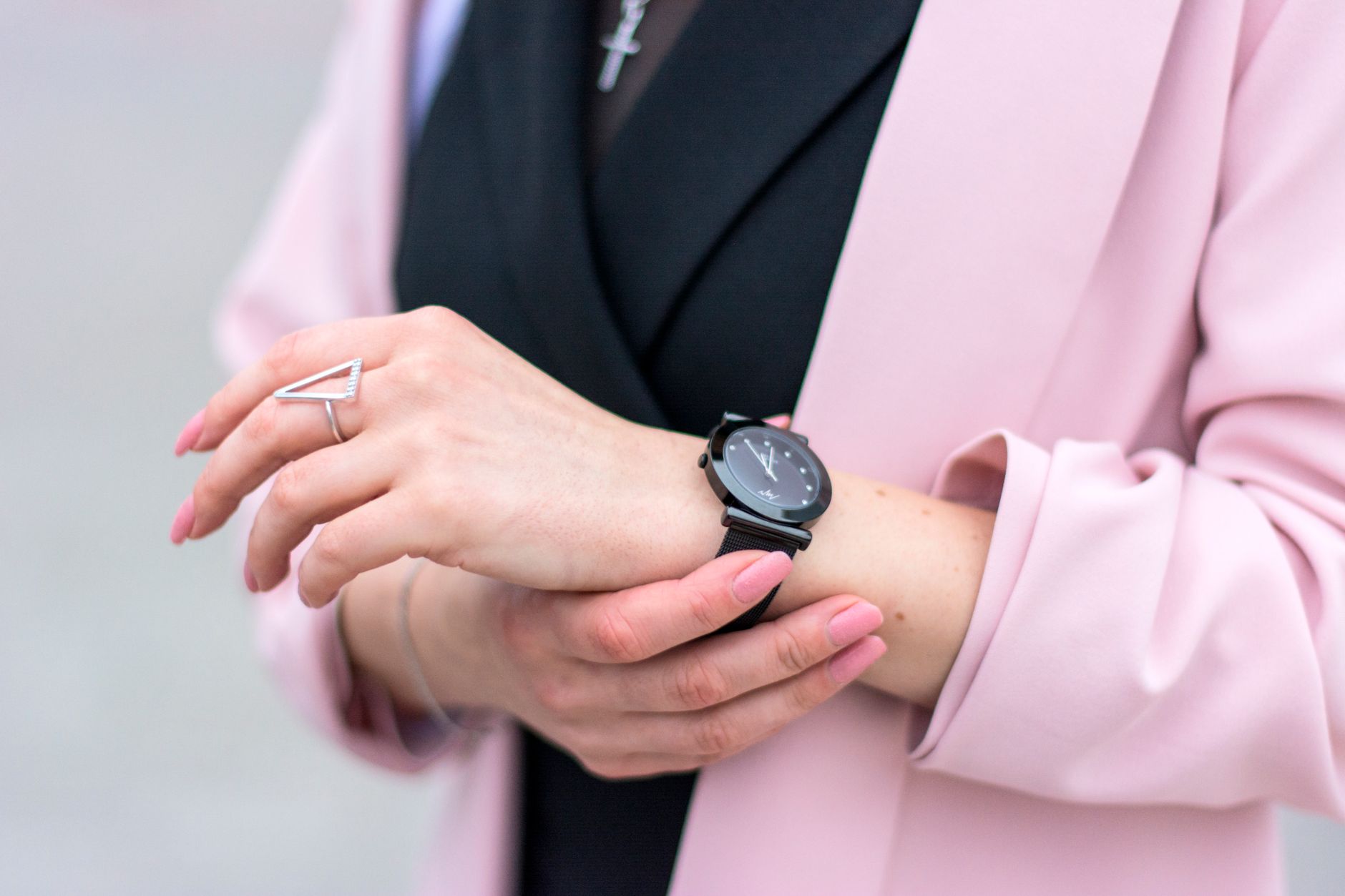
When it comes to accessorizing, a watch is a timeless piece that blends functionality with style. The question “What hand do you wear a watch on?” seems simple but prompts deeper considerations about personal style, comfort, and practicality. Understanding where to place your watch not only influences your look but can also provide insights into your overall aesthetic.
This guide will explore the traditional practices surrounding watch-wearing, delve deep into the significance of different hands, and provide practical styling tips to help you choose the best watch for your outfits. Whether you’re dressing for work, casual outings, or formal occasions, this article will ensure you make the best choice while wearing your timepiece.
What Hand Do You Wear a Watch On?
Traditionally, watches are worn on the non-dominant hand, typically the left hand for right-handed individuals and the right hand for left-handed individuals. This convention has both historical roots and practical benefits, such as reducing the likelihood of damaging the watch while performing everyday tasks.
However, this guideline is not a strict rule. Individual comfort, the nature of one’s activities, and styling preferences play significant roles in determining the best choice for each person. Understanding these options is crucial for maximizing style and comfort.
Traditional Guidelines for Wearing a Watch
While most people instinctively wear their watches on their non-dominant hand, other considerations can affect this choice:
- Functional Benefits: Wearing the watch on the less-active wrist minimizes wear and tear from daily activities.
- Aesthetics: Watch designs vary greatly, and the alignment with personal style may dictate placing a watch on a specific wrist.
- Comfort: Ultimately, wear the watch where you feel most comfortable; if that means switching it up, go for it!
How to Choose the Right Watch for Your Style
Choosing the perfect watch involves understanding various styles, materials, and occasions. Here are some pointers to consider when selecting your next timepiece:
1. Style and Design
Watch styles can range from classic analog to modern smartwatches. When selecting your watch, consider the following:
- Dress Watches: These have a slim profile and typically feature a leather strap, making them perfect for formal events.
- Sport Watches: More robust and often water-resistant, these watches boast features suitable for active lifestyles.
- Smartwatches: Offering advanced technological features while maintaining a stylish appearance, they’re ideal for tech-savvy individuals.
2. Material
Watches come in various materials that can greatly influence their overall aesthetic:
- Stainless Steel: Durable and versatile, steel watches can transition from casual to formal wear.
- Leather: A classic choice, leather bands add warmth and sophistication, particularly for dress watches.
- Silicone or Fabric: Often found in sport watches, these materials are lightweight and comfortable, making them ideal for active wear.
3. Occasion
Different occasions call for different watch styles:
- Formal Events: Opt for a sleek dress watch with minimalistic features.
- Casual Outings: Choose a more relaxed timepiece, possibly with a colorful strap or unique design.
- Business Settings: A classic analog watch in a subtle tone can present professionalism while adding a touch of style.
Practical Styling Tips for Watch Wearers
Once you have your watch selected, here’s how to style it effectively:
1. Balancing Your Accessories
When layering your outfit with accessories, consider the watch’s metal or material:
- Mixing Metals: It’s okay to mix silver and gold, but try to maintain a cohesive look by coordinating metal tones with other jewelry.
- Layers: If wearing bracelets with your watch, ensure they complement rather than overshadow it. Consider textures that contrast with or mirror each other for balance.
2. Outfit Coordination
Your watch should be in harmony with your overall look:
- Color Harmony: If your watch includes a distinctive color, weave that hue into your outfit through complementary pieces—think ties, shirts, or shoes.
- Proportions: Larger watches often pair best with casual outfits, while slimmer styles accentuate formal attire.
Seasonal Dressing with Watches
Your watch can play a significant role in your seasonal wardrobe, aligning with the appropriate style and function:
1. Spring/Summer
During the warmer months, opt for lighter materials:
- Fabrics: Lightweight fabrics like cotton and linen pair well with casual summer watches that may have vibrant colors.
- Comfort: Consider breathable straps such as silicone or fabric for comfort in the heat.
2. Fall/Winter
The colder months may call for more substantial watches and thoughtful layering:
- Leather and Wool: Coordinate your watch with wool fabrics and leather jackets, opting for deeper tones to match the season’s palette.
- Layering: Pair your watch with layered sweaters to create a cozy yet stylish look.
Workwear and Watch Styles
The choice of watch can impact your professional appearance, so let’s explore suitable styles for various work environments:
1. Corporate Settings
In a formal office landscape, sophistication is paramount:
- Minimalist Designs: Choose a classic analog watch with a leather or metal strap for impactful professionalism.
- Neutral Colors: Stick to silvers, blacks, and browns that complement formal business attire without being overwhelming.
2. Creative Workplaces
If you work in a more relaxed, creative environment:
- Express Yourself: Feel free to use watches with bold colors or design elements that reflect your unique personality.
- Casual Appeal: Sporty watches can lend a playful yet functional aesthetic that matches casual outfits.
Occasion Dressing with Watches
Specific occasions warrant distinct watch choices. Consider these styles for key events:
1. Weddings
For weddings, a refined choice can elevate your attire:
- Men: A classic dress watch in gold or silver complements a tailored suit.
- Women: Opt for elegant options with delicate bands or unique embellishments that align with your ensemble.
2. Casual Outings
When dressing casually, your watch can be both functional and stylish:
- Casual Day Out: A sporty watch with playful colors pairs perfectly with denim and relaxed tees.
- Outdoor Adventures: Choose a durable, water-resistant watch to match your active style, paired with comfortable athleisure wear.
Wearing Watches Across All Genders
Fashion is evolving, and the boundaries surrounding watch-wearing are becoming increasingly fluid. Here are some adaptable styling tips:
- Unisex Styles: Look for watches designed for all genders, featuring neutral colors and versatile designs to suit any outfit.
- Size Matters: Consider watches with adjustable straps or sizes that allow personalization—this keeps the aesthetic cohesive and comfortable.
Casual vs. Formal Watch Considerations
The balance between casual and formal styles can be executed beautifully with watch selection:
1. Casual Watches
For more laid-back settings:
- Choice of Material: Opt for plastic or rubber straps for casual outings, fostering a relaxed vibe.
- Casual Colors: Embrace bold and colorful designs that reflect your personality and sense of fun.
2. Formal Watches
For dressy occasions:
- Elegant Finishes: Choose leather or metal bands that exude class and sophistication.
- Classic Faces: Simple, uncluttered watch faces keep the focus on elegance and understated style.
Caring for Your Watch
Maintaining your watch is vital to prolonging its life and ensuring it remains stylish:
1. General Care
Be sure to follow these essential guidelines:
- Keep it Clean: Wipe the watch with a soft cloth regularly, avoiding aggressive cleaning agents.
- Store Properly: When not in use, store your watch in a safe place, such as a dedicated watch box, to prevent scratches or damage.
2. Specific Maintenance
Depending on the nature of your watch, maintenance might differ:
- Water-Resistant Watches: Rinse with fresh water after exposure to saltwater or chlorine to prevent corrosion.
- Mechanical Watches: Consider professional servicing approximately every 3 to 5 years to keep it functioning optimally.
Shopping Tips for Watches
When you decide to shop for a watch, utilize the following strategies:
- Research Brands: Familiarize yourself with reputable watch brands and their offerings before making a purchase.
- Set a Budget: Determine your spending limit; quality watches can range significantly in price, so be prepared to invest in your choice accordingly.
- Check Reviews: Look for reviews and customer feedback to assess durability, style, and functionality.
The Evolution of Wristwatches
Understanding the historical significance of wristwatches can enhance your appreciation of this accessory:
The wristwatch’s beginnings saw it primarily used by women as a fashion accessory in the 19th century. It wasn’t until the 20th century that men began adopting wristwatches, moving away from pocket watches. Today, they serve not only as timekeepers but as expressions of personal style and identity.
Conclusion
Wearing a watch on the right hand or left is a matter of personal choice that can reflect your style, comfort, and lifestyle needs. Consider all elements—from the occasion to the overall outfit—when selecting and styling your watch. The right watch not only tells time but also enhances your overall style.
Take the time to explore the diverse watch options available, and find one that suits your personal style, whether that’s sleek and formal or bold and casual. Make your wrist the focal point of your outfit while expressing who you are.
As you refine your style, consider checking out more related outfit ideas, accessory styling tips, and fashion guides to further enhance your wardrobe choices.