
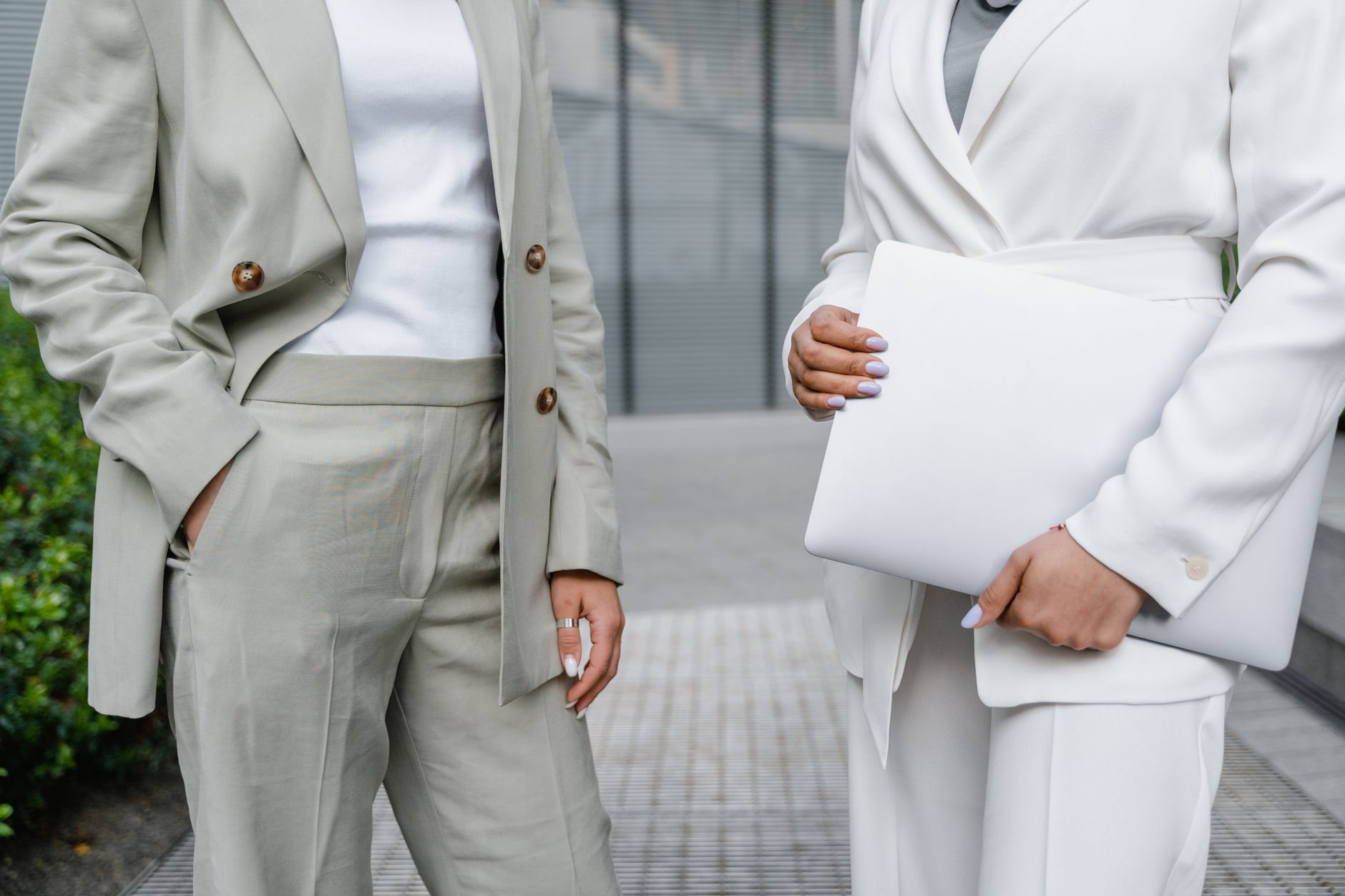
Business casual for women strikes a balance between professional credibility and personal expression. It’s an essential dress code in many workplaces, allowing individuals to maintain a polished appearance while being comfortable and stylish. This guide will explore what constitutes business casual for women, provide styling tips, and help you curate the perfect office-appropriate wardrobe.
With the right understanding of fit, fabric, and formality, creating versatile and chic business casual outfits becomes straightforward. Let’s dive into the nuances of this dress code, including outfit ideas, essential wardrobe pieces, and practical styling tips.
What Is Business Casual Women?
Business casual for women typically refers to a style of dress that is less formal than traditional business wear, yet still professional enough for the office. This means incorporating elements like dressy tops, tailored trousers, and polished footwear while allowing for more relaxed choices in texture and pattern. It’s about feeling confident and comfortable without sacrificing professionalism.
Key Elements of Business Casual Attire
Understanding the components of business casual attire can help you navigate this dress code with ease. Let’s break down the essential elements.
Tops
For business casual tops, look for options that strike a balance between stylish and professional. Here are some choices:
- Blouses: Soft, tailored blouses in solid colors or subtle prints are timeless options. Look for fabrics like silk, cotton, and modal.
- Knitwear: Lightweight pullovers or cardigans can add layers without looking bulky. Choose fine knits in neutral shades to maintain a polished look.
- Button-ups: Classic button-up shirts in cotton or blended fabrics can be dressed up or down, making them highly versatile.
Bottoms
The bottom part of your business casual outfit can significantly impact the overall look. Consider these options:
- Trousers: Tailored trousers in a variety of materials are ideal. Look for styles like wide-leg, straight, or cropped that enhance your silhouette.
- Skirts: A-line or pencil skirts at knee-length are excellent choices. Opt for fabrics like cotton, wool, or blends for a refined feel.
- Dressy Denim: Dark-wash jeans without distressing can work in business casual settings, especially paired with dressy tops.
Dresses
Feminine and professional, dresses are a fantastic way to achieve a business casual look:
- Shirt Dresses: These versatile dresses can easily transition from day to night with the right accessories.
- Wrap or Shift Dresses: Both styles can be flattering and work appropriate, especially with the right fit.
Footwear
Choosing the right footwear is crucial for completing your business casual outfit. Look for:
- Flats: Classic ballet flats or loafers in leather or suede can be comfortable and chic.
- Low Heels: A modest heel can elevate your look. Aim for block heels or kitten heels for comfort.
- Ankle Boots: In colder months, sleek ankle boots can offer warmth while looking polished.
Accessories
The right accessories can make versatility your new best friend:
- Jewelry: Simple stud earrings, delicate necklaces, and subtle bracelets enhance your look without overpowering it.
- Belts: A well-chosen belt can define your waist on dresses and tops, adding visual interest.
- Handbags: Structured totes or satchels are not only stylish but practical for carrying essentials.
Building a Business Casual Wardrobe
A well-curated wardrobe should include pieces that mix and match effortlessly, maximizing your options while minimizing decision fatigue. Here are some essential items to consider:
Wardrobe Essentials
- Basic Tops: Invest in a few versatile tops in neutral colors that complement your skin tone.
- Tailored Pants: A couple of pairs in different styles, like straight-leg or tapered, should be staples.
- Skirts: At least one pencil skirt and one A-line skirt can offer diversity.
- Layers: Cardigans and blazers add polish and can be added or removed according to seasons and office temperature.
- Dresses: Opt for at least two styles that can be accessorized differently for various looks.
- Comfortable Footwear: A rotation of flats, low heels, and ankle boots ensures comfort and versatility throughout the week.
Color Coordination
When assembling your wardrobe, consider a cohesive color palette. This not only simplifies outfit assembly but also helps you maintain consistency in your style. Sticking to a base palette of neutrals such as black, white, navy, and beige allows for easy mixing with seasonal colors or bolder accessories.
Creating a Capsule Wardrobe
A capsule wardrobe is an excellent approach to streamline your business casual choices. Here’s how to build one specifically for the workplace:
Selection Process
- Choose a Base Color: Start with a basic color palette consisting mainly of neutral shades for tops and bottoms.
- Incorporate Textures: Add variety with materials that differ in texture, such as knits, silks, and cotton blends.
- Add Layers: Choose one or two layering pieces to create versatility with your outfits.
Sample Capsule Wardrobe
- 3 basic blouses or shirts
- 2 tailored trousers
- 1 pencil skirt
- 2 versatile dresses
- 1 blazer or cardigan
- 1 pair of comfortable flats, 1 pair of low heels
Crafting Outfits for Various Occasions
Business casual can vary depending on different workplace cultures or specific occasions. Here are outfit ideas tailored for different situations:
Everyday Office Wear
- Outfit 1: A navy blouse, tailored black trousers, and black loafers with subtle gold earrings.
- Outfit 2: A soft sweater in a pastel hue paired with a tan pencil skirt and nude low heels.
Client Meetings
- Outfit 1: A fitted button-up shirt tucked into tailored wide-leg trousers with ankle boots.
- Outfit 2: A wrap dress layered with a structured blazer and pumps for a polished look.
Casual Fridays
- Outfit 1: Dark-wash jeans paired with a stylish patterned blouse and flats.
- Outfit 2: A chic tunic over skinny trousers with ankle boots for a more relaxed vibe.
Seasonal Dressing
Transitioning your business casual wardrobe between seasons is crucial for maintaining comfort and style throughout the year.
Spring and Summer
- Lightweight fabrics are key. Opt for cotton blouses and breathable dresses.
- Choose lighter shades and florals to embrace the season.
- Consider sleeveless tops paired with cardigans for layering if your office is air-conditioned.
Fall and Winter
- Incorporate long-sleeve tops and heavier fabrics like wool or blends.
- Utilize layering techniques; a turtleneck under a blazer can create warmth without sacrificing style.
- Choose darker colors and richer textures to reflect the season.
Fit and Proportion
Understanding fit is fundamental in achieving a polished business casual look. Here are some tips:
- Tailoring: Consider having garments tailored for a better fit; even minor adjustments can make a big difference.
- Proportion: Ensure that your tops and bottoms balance each other. If you wear a fitted top, consider a looser bottom to create a contrast.
- Length: Skirts should ideally reach the knee or just above; trousers should sit just above the shoe to avoid dragging.
Choosing Fabrics
Opt for fabrics that reflect professionalism yet provide comfort. Here are some commonly used fabrics in business casual attire:
- Cotton: Breathable and soft, it’s a go-to fabric for shirts and blouses.
- Wool: Ideal for trousers and skirts, providing structure and warmth.
- Silk or Satin: Luxurious options for blouses when you want to dress up a look.
- Blends: Fabrics that mix cotton with synthetic fibers for stretch and durability.
Garment Care
Proper garment care ensures your clothes last longer, maintaining both their look and fit:
- Read Care Labels: Always follow the instructions on care labels to avoid damaging fabric.
- Regular Cleaning: Wash or dry clean items regularly to keep them looking fresh, especially blouses and dress shirts.
- Storage: Hang blazers and trousers to avoid creases, while layering lightweight knits will help retain their shape.
Shopping Smart: Where to Find Business Casual Pieces
Shopping for business casual attire can be an enjoyable experience with the right approach. Keep these tips in mind:
- Quality Over Quantity: It’s better to invest in a few high-quality pieces than to have a full wardrobe of basic items.
- Sales and Discounts: Keep an eye on seasonal sales to find quality pieces at a fraction of the cost.
- Research Brands: Explore brands that specialize in business casual attire. Some brands often cater to this niche, offering stylish yet professional garments.
With this guide to business casual for women, you can confidently assemble a wardrobe that not only adheres to workplace standards but also reflects your personal style. Focus on creating mix-and-match outfits with diverse, high-quality pieces, while maintaining an eye for comfort and fit.
Next, consider trying one of the outfit combinations listed above or assessing your current wardrobe for essential business casual items you may be missing. Feel free to explore additional insights on what is business casual and what business casual looks like to refine your style journey.